
DrPlus Skin Education · Pico & Laser
Pico Laser Treatment: A Doctor's Complete Guide
Pico laser is one of the most searched skin treatments — and one of the most misunderstood. Start here for a clear, doctor-led overview.
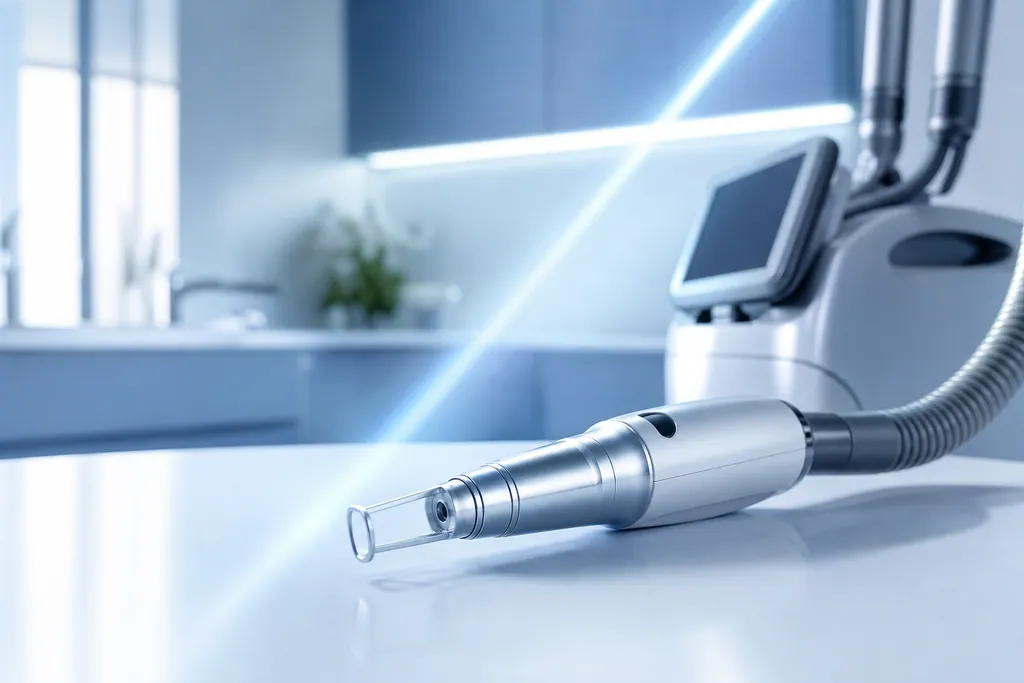
What is pico laser?
Pico laser treatment uses a family of laser devices that deliver energy in pulses measured in picoseconds — trillionths of a second. The picosecond pulse is so short that it acts mainly through a photoacoustic effect: it shatters pigment into tiny fragments with relatively little heat deposited in the surrounding skin.
You will also see the terms picosecond laser, pico treatment, pico pulse and pico fractional. These describe the same underlying technology used in different modes — for example, a fractional lens can be added to focus energy for texture and scar work rather than flat pigment clearance.
— Mechanism
Ultra-short pulses shatter pigment, not skin
Before
Excess pigment sits in clumps that are too large for the body to clear on its own.
After pico pulses
A photoacoustic pressure wave breaks the pigment into dust-fine particles your immune system gradually flushes away.
Because pico pulses are measured in trillionths of a second, they rely more on this shattering effect than on heat — which helps lower the pigmentation risk that older heat-based lasers carry in deeper skin tones.
How pico laser works
The goal is to break pigment into fragments small enough for your body to clear naturally over the following weeks. Because the pulse is ultra-short, less heat spreads into nearby tissue compared with older laser generations.
Mechanism
Ultra-short pulse
Energy is delivered in picoseconds, limiting how much heat builds up in the skin.
Mechanism
Photoacoustic shattering
An acoustic shock fragments pigment particles into smaller pieces.
Mechanism
Natural clearance
Your lymphatic and immune system gradually clears the fragments over weeks.
What pico laser is commonly used for
Pico laser is most often discussed for sun-related pigmentation (sun spots, solar lentigines), some cases of melasma under a cautious protocol, post-inflammatory pigmentation, and general tone refinement. Fractional pico modes may also support texture and certain scar work.
It is not a universal fix. The right tool depends on what the pigment is, how deep it sits, your skin tone, and any hormonal factors — which is why a diagnosis matters before any laser is chosen.
What a course of treatment involves
Pigment work is usually planned as a series of sessions spaced several weeks apart, not a one-off. Sessions are typically short, and many people return to normal activities quickly, though this varies with the settings used.
— Pathway
A typical pico laser journey
- 01
Consultation
A doctor confirms pigment type, depth, skin tone and suitability.
- 02
Foundations
Daily sun protection and supportive skincare set up before treatment.
- 03
Sessions
A planned series, with settings adjusted to your skin's response.
- 04
Review
Progress is checked and the plan adjusted as needed.
- 05
Maintenance
Periodic touch-ups and sun discipline protect the result.
- 01
Consultation
A doctor confirms pigment type, depth, skin tone and suitability.
- 02
Foundations
Daily sun protection and supportive skincare set up before treatment.
- 03
Sessions
A planned series, with settings adjusted to your skin's response.
- 04
Review
Progress is checked and the plan adjusted as needed.
- 05
Maintenance
Periodic touch-ups and sun discipline protect the result.
Is pico laser right for you?
The honest answer depends on assessment. Pico can be an excellent tool for the right concern and the wrong choice for another. The best way to know is a doctor-led consultation that looks at your skin specifically.
— Frequently asked
Common questions
Pico laser treatment uses a laser that fires in picoseconds (trillionths of a second) to fragment pigment in the skin so the body can clear it. It is commonly used for sun spots, uneven tone and some pigmentation concerns. Suitability is confirmed by a doctor after assessing your skin.
Yes. 'Pico laser' is the everyday name for a picosecond laser — both refer to the same ultra-short-pulse technology. 'Pico pulse' and 'pico fractional' describe specific modes of the same family of devices.
Most people describe a light snapping sensation. Numbing cream can be used for more sensitive areas. Your doctor will explain comfort options before your session.
Pigment work is usually a series of sessions spaced several weeks apart. The number depends on the pigment type, depth and how your skin responds — your doctor will give a realistic estimate at consultation. Results vary by individual.
Pico fractional uses a special lens to focus the picosecond energy into tiny zones, which can support texture and certain scar work in addition to pigment. Whether a fractional mode suits you depends on your concern and skin type.
No. It tends to suit sun-related pigmentation well, can help some melasma with a cautious protocol, and is not the right tool for every pigment pattern. Correct diagnosis before treatment is what makes the difference.
— Related treatments
Continue with the relevant DrPlus treatment pages
Each page goes deeper into mechanism, suitability and recovery — your final plan is confirmed at consultation.
— Continue reading
 Pico & Laser
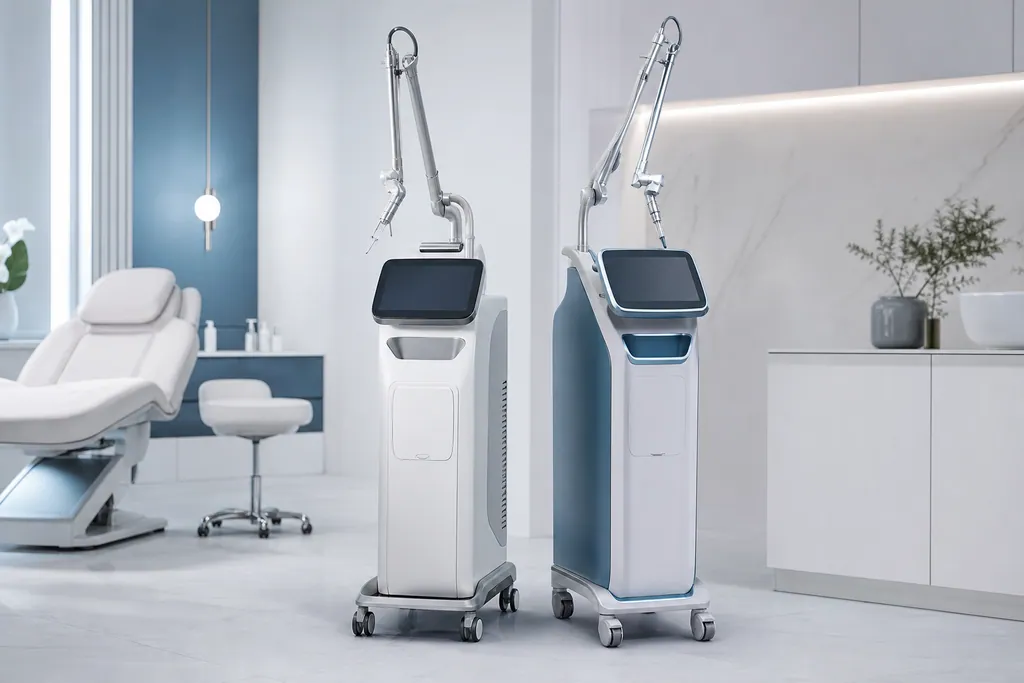
PicoSure vs PicoWay vs Pico Laser Devices: What Actually Matters?
PicoSure, PicoWay, Discovery Pico, Pico Plus... the names matter less than most adverts suggest. Here is what really decides your result.
 Pico & Laser
Pico Laser Side Effects: What's Normal and What's Not
Most pico laser side effects are mild and short-lived — but some matter. Here is an honest, doctor-led breakdown.
 Pico & Laser
Pico Laser Downtime & Aftercare: Day by Day
What really happens after pico laser, from the first hours to week four — and an honest answer to 'what can one session do?'.