
DrPlus Johor Bahru · Skin Procedures
Mole & Wart Removal in Singapore & Johor Bahru
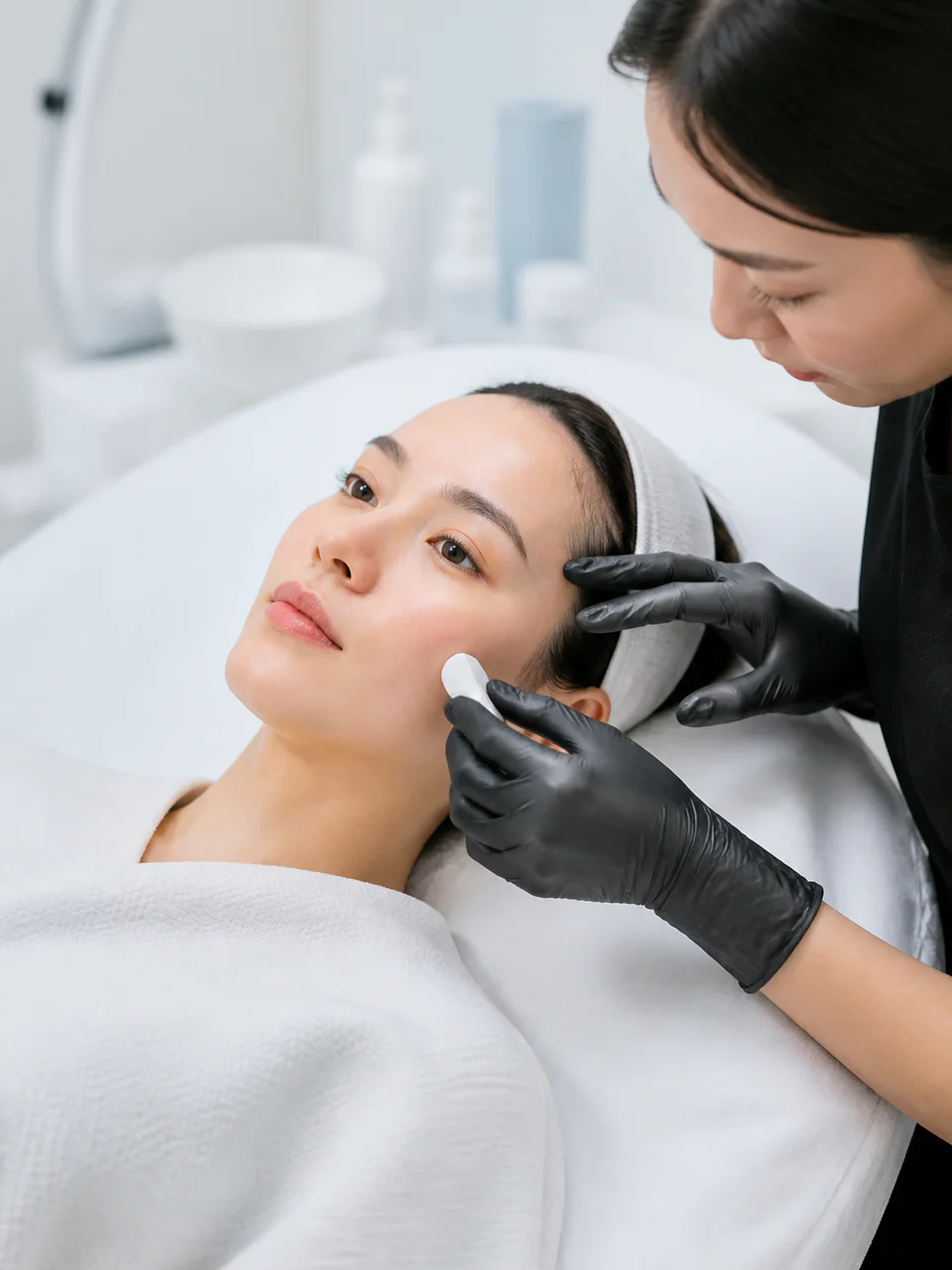
Send a clear photo on WhatsApp for a doctor's preliminary view — then, if suitable, most moles and warts are removed in a short clinic visit under local anaesthesia. Assessment first; beauty-parlour burn-offs are not the same thing.














- Doctor-assessed before removal
- WhatsApp photo review first
- Local anaesthesia, quick procedures
- Results vary by individual
— Who this page is for
Who this page is for
Moles, warts, and skin growths are removed for different reasons — appearance, irritation, or medical caution. All three start the same way: a doctor actually looking at the growth. If any of these sound familiar, WhatsApp a photo and we will tell you honestly what the next step looks like.
A mole you want gone
A facial mole that bothers you in photos, or one that catches on clothing or shaving — removable, usually in one visit.
A mole that has changed
Changing size, colour, or shape needs medical assessment first. Most changed moles are harmless — but that is a doctor's call, not a guess.
Warts that keep spreading
Viral warts on hands, feet, or face often multiply if untreated — clearing them properly stops the cycle.
Burned before at a beauty parlour
A previous non-medical removal left a scar or the growth came back — you want it handled properly this time.
Not sure if it is a mole
Skin tags, seborrhoeic keratoses, and flat sun spots can look similar. A photo on WhatsApp is often enough for a preliminary orientation before you visit.
Several growths at once
Multiple moles or warts can often be assessed and planned together so you are not booking a separate visit for each spot.
Planning around an event
Wedding, photoshoot, or holiday coming up — you want realistic healing timing so the scab is gone and new skin is settling before the date.
Crossing from Singapore
Many patients visit from Singapore for doctor-assessed removal in Johor Bahru. A WhatsApp photo first often confirms whether the trip is worthwhile.
— What this involves
How doctor-led mole and wart removal works
Moles, warts, skin tags, and flat brown spots are not the same problem — even when they look similar in a bathroom mirror. A mole is a cluster of pigment cells; a wart is a viral growth; a skin tag is soft excess skin; a freckle or sun spot is flat pigment in the surface layer. Mixing them up is how people end up with the wrong treatment, an unnecessary scar, or a growth that comes straight back.
Every removal at DrPlus starts with a medical assessment. The doctor examines the growth — its type, depth, borders, colour pattern, and location — and checks for any features that warrant caution. This is the step a beauty parlour cannot legally or safely do, and it is the reason moles should be removed in a clinic: the rare mole that matters medically must be recognised, not vapourised.
Useful warning features to mention when you message us (sometimes summarised as ABCDE): Asymmetry, Border irregularity, Colour that is uneven, Diameter that is growing, and Evolution — any change over weeks or months. Most changed moles still turn out harmless, but assessment exists to catch the exception. If something looks concerning, appropriate referral is arranged rather than cosmetic removal.
The removal method is matched to the growth. Shallow moles and many warts are typically removed by precision radiofrequency or electrocautery under local anaesthesia — a quick, controlled procedure with a small scab that heals over one to two weeks. Deeper moles may need a minor surgical excision. Face work is planned with healing and skin tone in mind; body sites heal differently because of tension and friction.
The procedure itself is fast — many removals take minutes once the area is numb. You leave with written aftercare: keep the spot clean, do not pick the scab, avoid swimming and heavy sweating while the surface is open, and protect new pink skin from sun so it blends more evenly with the surrounding tone. Makeup on the face is usually paused until the surface has closed, as advised for your specific spot.
Not sure where to start? WhatsApp us two clear, well-lit photos — one straight-on and one from a slight angle, with something for scale if the growth is tiny. We can usually indicate what removal would involve, then confirm the plan and give a personalised written quote at your assessment — with no obligation to proceed.
— On the day
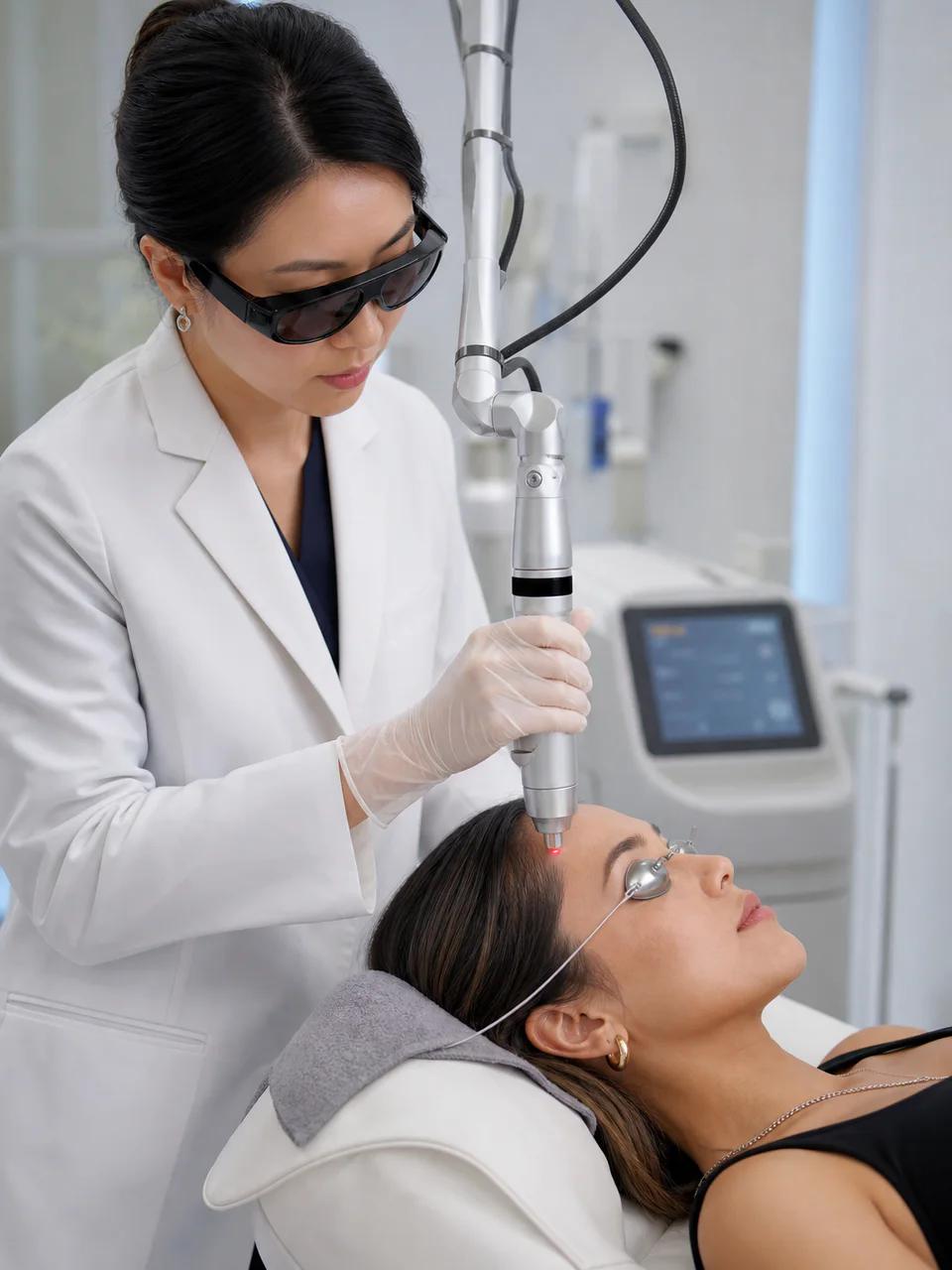
What a mole or wart removal visit looks like
Most straightforward removals fit into a single clinic visit. Here is the typical sequence once you arrive — exact timing depends on how many growths are treated and whether any look atypical.
Step 1
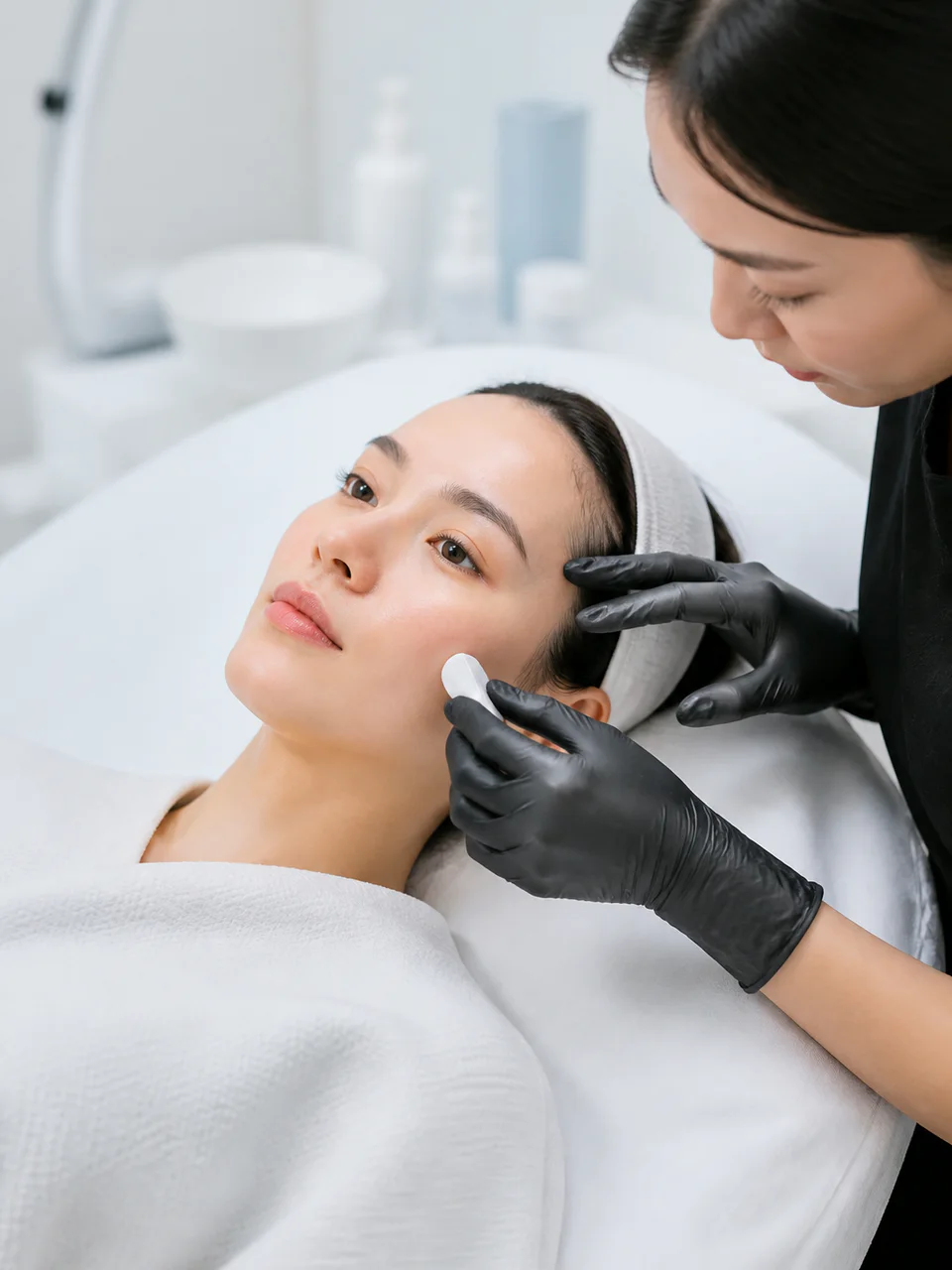
Doctor assessment
Your doctor examines each growth — type, depth, borders, colour pattern, and location — confirms whether removal is appropriate, and explains the method and healing expectation before you decide.
- Duration:
- About 10–15 minutes
- Sensation:
- Visual and tactile examination — no discomfort
Step 2
Numbing the area
Local anaesthetic is injected around the growth so the removal itself is comfortable. For very small superficial spots, topical numbing may be used where suitable. You wait a few minutes for full numbness.
- Duration:
- A few minutes to take effect
- Sensation:
- Brief sting from the injection, then numbness

Step 3
Precision removal
Radiofrequency, electrocautery, or minor excision is used — matched to the growth's depth and site. Facial work is paced for controlled healing; multiple suitable spots can sometimes be treated in the same sitting.
- Duration:
- Often only a few minutes per growth
- Sensation:
- Pressure or warmth; typically no sharp pain once numb

Step 4
Aftercare briefing
You leave with clear written instructions: keep the spot clean, leave the scab alone, pause swimming and heavy makeup until advised, and protect new skin from sun. A review is arranged if needed.
- Duration:
- About 5–10 minutes
- Sensation:
- Mild tenderness as numbness wears off
— What to expect
From WhatsApp photo to healed skin
The pathway is designed so you understand the plan before anything is removed — and so a photo message is enough to start, whether you live in Johor Bahru or are travelling from Singapore.
WhatsApp a photo
Send two clear, well-lit photos of the growth — one straight-on and one angled — plus where it sits on the body and whether it has changed. A doctor reviews it and replies with a preliminary view, usually within minutes during clinic hours.
In-clinic assessment
Your doctor confirms the growth type, explains the suitable removal method, realistic healing expectations for that site, and gives a written quote before anything proceeds.
Same-visit removal
Where suitable, removal is often completed the same day under local anaesthesia. Multiple straightforward growths can sometimes be addressed in one sitting so you are not making repeat trips for each spot.
Heal & protect
A small scab forms and typically settles over one to two weeks. Sun protection on the new skin helps the tone blend evenly. Message us if anything looks unusual during healing.

What healing typically looks like
Day of treatment
The area is numb during removal. Mild tenderness as sensation returns is common. Desk work is usually fine the same day; avoid gym, swimming, and facial treatments until advised.
Days 1–7
A small scab forms. Keep it clean and dry as directed, and do not pick — picking is the fastest way to worsen a mark. Skip makeup over facial spots until the surface has closed.
Weeks 1–2
The scab separates and pink new skin appears underneath. Continue diligent sun protection on the spot — UV darkening of new skin is a common reason marks linger longer than they need to.
Weeks 4–8+
Colour and texture continue to settle. Deeper or larger removals, and sites with more tension (chest, back, joints), may take longer to blend — your doctor sets expectations for your specific growth.
Healing varies by growth depth, method, skin type, body site, and aftercare. Facial shallow removals often settle more discreetly than deeper body lesions. If you scar raised easily (keloid tendency), mention it at assessment — it changes planning.
— Why DrPlus
Why patients choose DrPlus for removals
Medical judgment first, cosmetic outcome a close second — the combination a beauty parlour cannot offer. Patients come from across Johor Bahru and Singapore for the same reason: assessment before removal.
Every mole is medically assessed before removal — the safety step that matters most, and the reason we decline blind burn-offs.
Radiofrequency, cautery, or minor excision — chosen for controlled healing at that depth and location, not a one-tool-fits-all package.
Facial removals planned around healing and skin tone so the result blends, not brands — with honest talk if a site is higher risk.
Send a photo first, get an honest preliminary view, then decide whether to book — most suitable removals can be done the same visit.

Ready to discuss your skin?
Book a doctor-led assessment tailored to your concerns.
— Fees & quotes
What determines the fee — and how to get a quote
We do not publish a fixed price list because every growth is different. The quote depends on how many spots you want addressed, their size and depth, the method needed, the body site, and whether same-day removal is suitable after assessment.
The fastest start: WhatsApp us clear photos. We can usually indicate what removal would involve before you travel — useful if you are coming from Singapore — then confirm a personalised written quote at your assessment, with no obligation to proceed.
- Number of moles, warts, or growths to treat
- Size, depth, and body location (face vs body)
- Method required — RF, cautery, or minor excision
- Whether multiple growths are combined in one visit
- Whether laboratory review of tissue is clinically indicated
— Related treatments
Related skin procedures
Raised growths, tags, flat pigment, and raised scars are close cousins but different problems. Each option is assessed individually at consultation.
Skin Tag Removal
Best for: Soft tags on neck & foldsThe quick, dedicated pathway for skin tags — often cleared in numbers in a single visit.
Learn More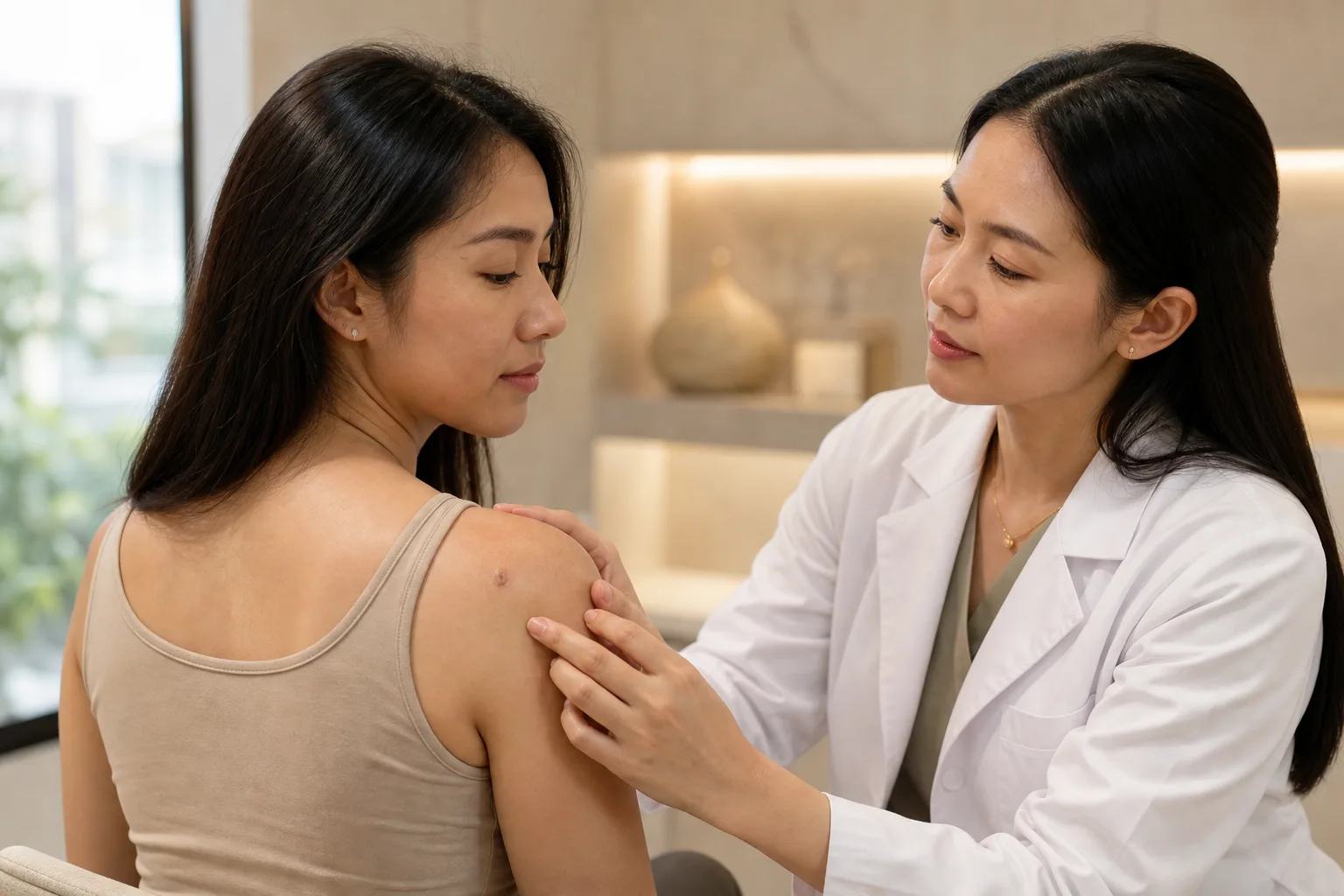
Keloid Removal
Best for: Raised, thickened scarsIf a previous removal or injury healed into a raised scar, keloid removal is its own doctor-led pathway.
Learn More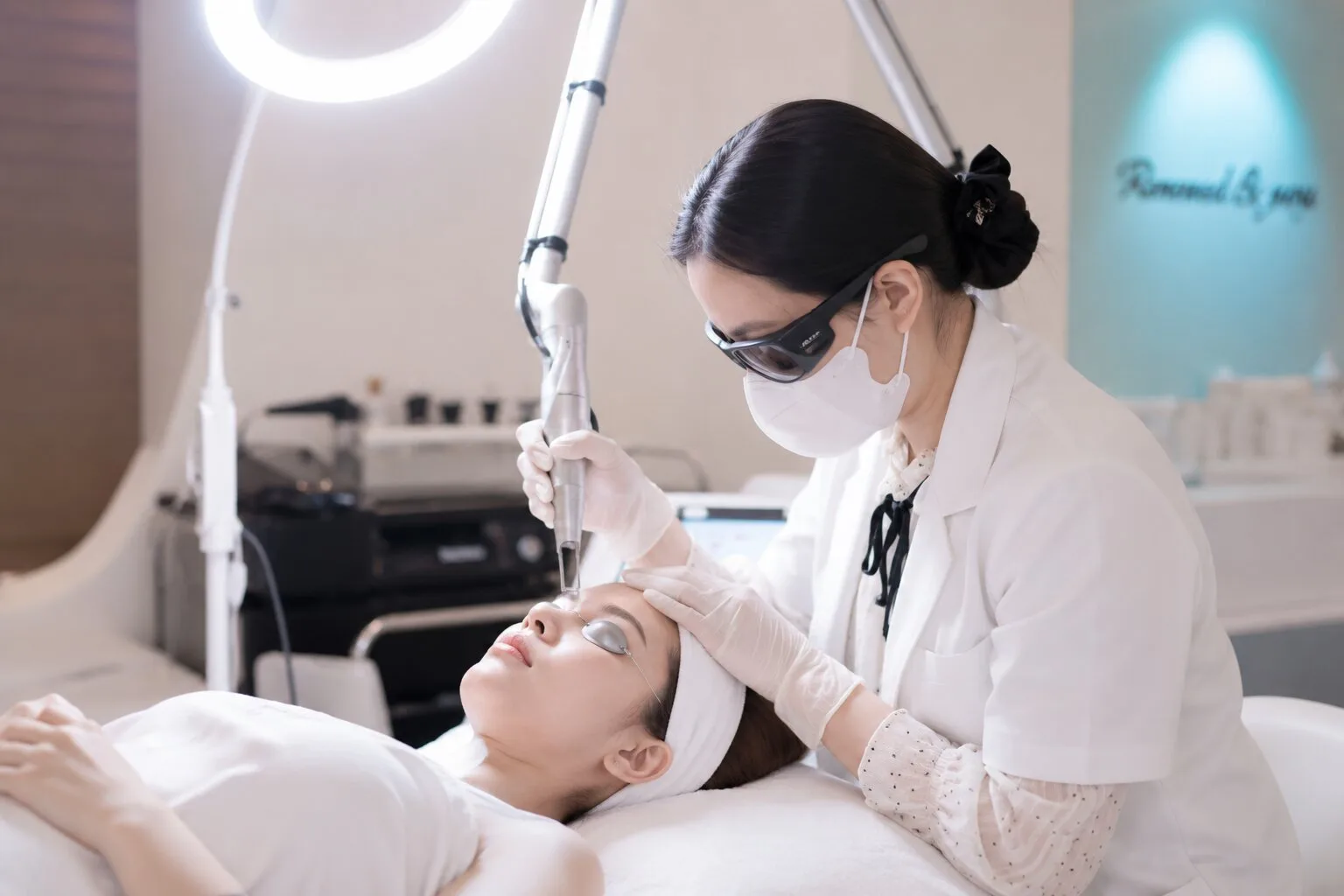
Pico Laser (Pigmentation)
Best for: Flat brown spotsFlat pigmentation is not a mole — sun spots and freckles respond to pigment laser instead.
Learn More
Skin Specialist Overview
Best for: Broader skin concernsIf moles sit alongside acne marks, pigmentation, or texture issues, start with a wider skin assessment.
Learn MoreMoles vs Skin Tags vs Warts
Best for: Identifying the type of growthA visual, plain-language guide to common differences and the signs that need an in-person medical assessment.
Learn More— FAQ
Common questions
Yes — that is the recommended first step. Send two clear, well-lit photos (straight-on and angled), note where the growth sits, and mention any recent change. A doctor can usually give a preliminary view of what removal would involve; a definitive plan and written quote follow your in-clinic assessment.
Use natural light or a bright indoor light, avoid heavy filters, fill the frame with the growth, and add a second angled shot. If the spot is tiny, place a pen tip or coin nearby for scale. Blurry or shadowed photos make preliminary advice harder — a clear photo gets a clearer reply.
Any removal leaves some mark initially — the goal is a mark that fades into the surrounding skin. Outcome depends on the growth's depth, the method used, your skin's healing tendency, the body site, and aftercare. Shallow radiofrequency removals on the face generally heal very discreetly. Your doctor will give you a realistic expectation for your specific mole before removing it.
We do not publish prices because the quote depends on the number of growths, their size and depth, the method needed, and the site. WhatsApp us a photo and we can usually indicate what removal would involve; a personalised written quote follows your assessment.
The same factors apply as for moles: how many warts there are, their size and location, and whether stubborn viral warts need more than one session. Because warts can spread, treating all visible warts in a planned way is often more economical than removing them one at a time. A personalised written quote follows your assessment.
Yes — facial warts (including flat warts, which often appear in clusters) are commonly treated. Facial work is planned with healing and skin tone in mind, and nearby spots are checked so the virus is not left to reseed the area. WhatsApp a clear photo first and the doctor can usually indicate what treatment would involve.
It depends on what the flat spot actually is. Truly flat brown marks are often surface pigment — sun spots, freckles, or lentigines — and respond to pigment laser rather than the RF or excision used for raised moles. A genuinely flat mole is assessed individually, because pigment depth determines the right tool. This is exactly the distinction the doctor confirms before recommending anything.
The only real discomfort is the local anaesthetic injection — a brief sting. The removal itself is painless once the area is numb, and most spots feel mildly tender for a day or two afterwards.
Often, yes — when the doctor confirms the growth is suitable for removal and you are ready to proceed. Anything that looks atypical is evaluated properly first rather than removed on the spot.
Most shallow removals form a small scab that settles over one to two weeks. Pink new skin then gradually blends over the following weeks with sun protection. Deeper excisions and higher-tension body sites can take longer. Your doctor will set expectations for your specific growth and site.
Avoid makeup over a facial treatment site until the surface has closed, as advised for your spot. Swimming, saunas, and heavy sweating are usually paused while the scab is forming and fresh. Desk work is typically fine the same day; gym and contact sport wait until your doctor clears you — often after the early healing window.
Plan with healing in mind rather than the procedure day alone. Many people prefer one to several weeks of buffer so the scab has separated and pink new skin is settling before photos or a wedding. WhatsApp a photo with your event date and we can give a realistic timing view for that growth.
Warning features include rapid change in size or colour, irregular borders, uneven colour, bleeding, or itching — the ABCDE pattern (Asymmetry, Border, Colour, Diameter, Evolution) is a useful checklist. A photo cannot rule out skin cancer. A new or changing growth needs an in-person medical assessment and should not be cosmetically burned off; if it looks concerning, removal is paused and appropriate referral or laboratory review is discussed.
Not always. Flat sun spots and freckles are pigment in the skin surface and are usually treated with pigment laser, not surgical or RF removal. Raised moles and warts are different structures. WhatsApp a photo if you are unsure — the category determines the treatment path.
A mole is a cluster of pigment cells (raised or flat). A wart is caused by a virus and can spread or recur. A skin tag is soft excess skin, common on the neck and folds. They can look alike to the untrained eye — which is why assessment comes before removal, and why skin tags have their own dedicated page when that is clearly what you have.
Warts are caused by a virus, so recurrence is possible even after complete removal — especially if other warts remain untreated elsewhere on the body. Treating all visible warts and following aftercare reduces the risk substantially. Stubborn or recurrent warts sometimes need more than one session.
When clinically indicated — for example when features are atypical or the doctor wants histological confirmation — tissue can be sent for laboratory review. Straightforward cosmetic removals of clearly benign growths are not always sent. Your doctor will explain what applies to your case before removal.
Often yes, but planning changes. Sites with higher keloid risk (chest, shoulders, jawline in some patients) need frank discussion about mark risk, method choice, and aftercare. Mention any previous raised scars at assessment — and if a prior removal already became a keloid, that is treated on the keloid pathway rather than by simply removing again.
Yes. Many patients travel from Singapore to our Johor Bahru clinic. WhatsApp a photo first so you know whether a visit is likely worthwhile, then plan assessment and, where suitable, same-day removal in one trip.

— Request a Consultation
WhatsApp a photo — get a doctor's preliminary view
No obligation, no price list guesswork. Send two clear photos of the growth, hear what removal would involve, then book an assessment if it makes sense. Most suitable removals are done the same visit with a written quote first.
- Doctor-led assessment and recommendations
- Reviewed personally — not auto-routed
- Discreet handling of sensitive concerns
- Reply typically within one business day
— Skin Education
Related Skin Education
Doctor-led guides written to help you understand your options before consultation. Each article links back to the relevant treatment pages.
Moles vs Skin Tags vs Warts: How to Tell the Difference
Mixing up a mole, a skin tag, and a wart is how people end up with the wrong treatment. A doctor explains how each growth differs and which removal pathway fits.
Skin Tag Removal Aftercare: Healing Timeline and Scar Care
Good aftercare is most of the difference between a spot that disappears and a mark that lingers. A doctor's guide to the two weeks after skin tag removal.
Keloid vs Hypertrophic Scar: How to Tell — and Why It Matters
Both are raised scars — but one stays inside the wound boundary and one keeps growing beyond it. The distinction changes the entire treatment plan.
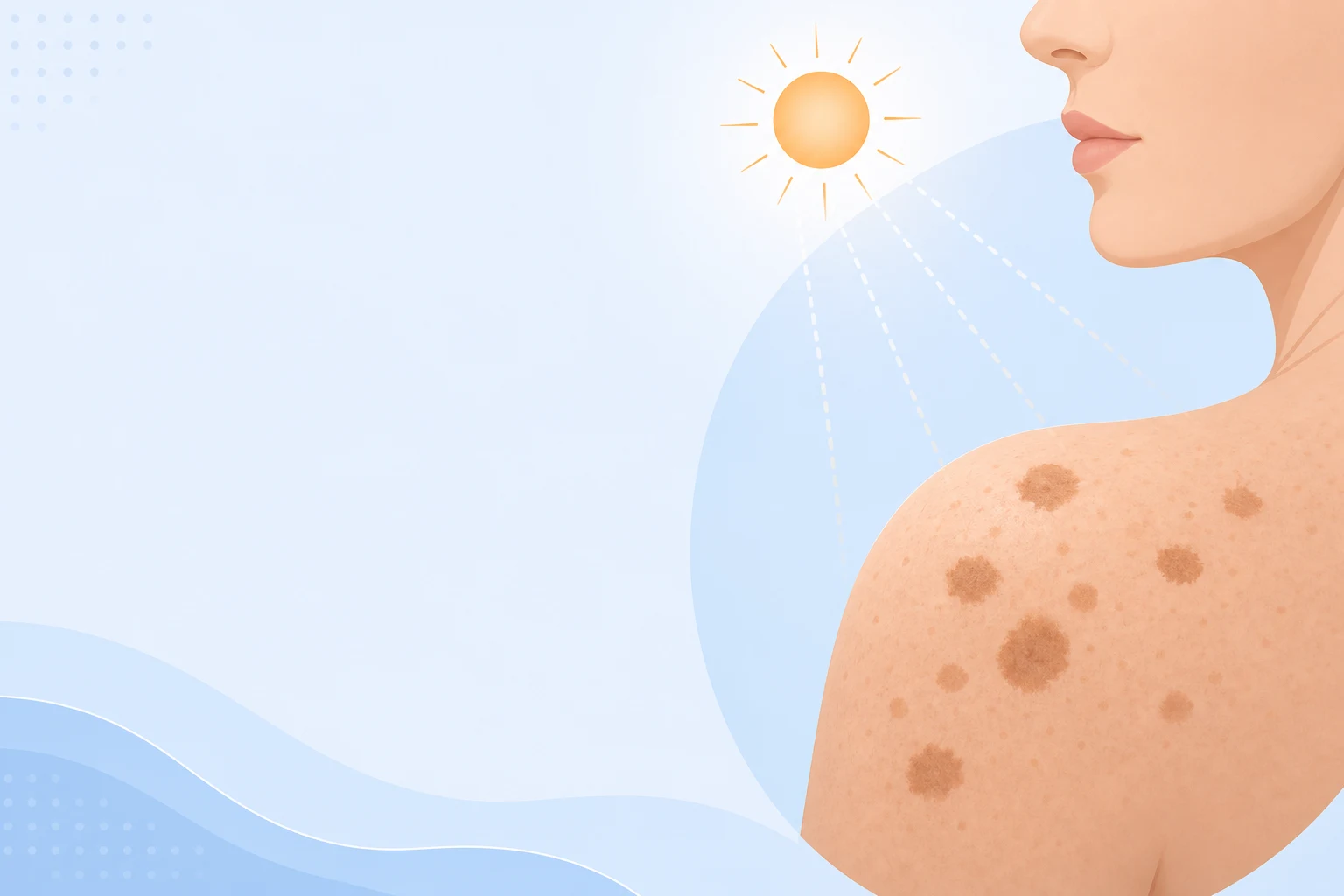 Pigmentation
Sun Spots and Age Spots: Treatment in Singapore & Johor Bahru
Sun spots are among the most treatable pigmentation — but only if you also stop new ones forming. Here is how they are cleared and kept away.
 Pigmentation
Freckles Treatment in Singapore & Johor Bahru: Options Explained
Freckles are harmless and often loved — but if you want them lighter, here is what works, and why they come back without sun protection.
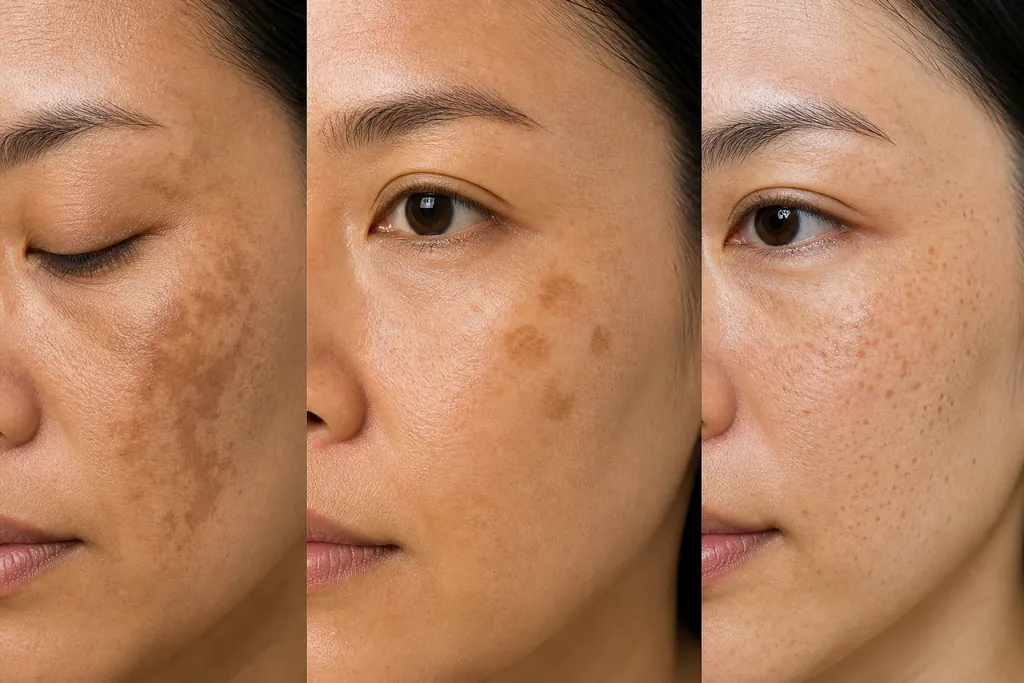 Pigmentation
Melasma vs Freckles: Photos & How to Tell Them Apart
Three of the most common pigmentation patterns — and they behave very differently in treatment.
— Methods compared
Removal methods, matched to the growth
There is no single universal mole removal method — depth, location, and growth type decide the tool. These are the approaches commonly discussed at DrPlus; your doctor recommends one after examining the spot, not before.
Shallow raised growths
Precision radiofrequency
Controlled RF energy removes shallow moles and many warts layer by layer under local anaesthesia, aiming for a tidy surface that heals with a small scab.
- Common for facial and superficial raised moles
- Usually a short procedure once the area is numb
- Small scab typically heals over 1–2 weeks
- Often preferred when scar-conscious facial blending matters
Warts & selected growths
Electrocautery
Heat-based cautery is often used for viral warts and certain superficial growths where precise thermal control suits the lesion.
- Frequently used for warts on hands, feet, or face
- Performed under local anaesthesia
- May need more than one session for stubborn viral warts
- Other nearby warts are checked so the virus is not left untreated
Deeper moles
Minor surgical excision
Deeper moles that extend below the surface may need a small excision so the full depth is addressed, with closure as advised by your doctor.
- Chosen when depth or features warrant full removal
- Local anaesthesia; stitches may be used
- Healing timeline depends on size and site
- Tissue can be sent for laboratory review when clinically indicated
Flat spots — not moles
Pigment laser pathway
Flat freckles and sun spots are pigment in the surface layer, not raised moles. They are usually treated with pigment laser rather than RF or excision.
- For flush, flat brown marks — not raised growths
- Different device family from mole removal
- Course-based in many cases, with sun protection essential
- WhatsApp a photo if you are unsure which category you have
If your spot is soft and stalk-like on the neck or underarms, it may be a skin tag — that has its own dedicated pathway. Your doctor will tell you which category your growth is in before recommending anything.
Medical disclaimer
Information on this page is for general education only and does not replace a consultation with a qualified medical practitioner. Suitability, downtime, risks, and results vary by individual. Please consult your doctor before deciding on any treatment. Read the full medical disclosure.
A QUICKER SCROLL
Clinic life, in short clips
Take a breather from the detail — swipe through Facebook and TikTok moments from DrPlus, then continue when you're ready to book.