

Skin Concerns · Acne Scars
Acne Scar Treatment & Removal: Options by Scar Type
Smoother skin after acne starts here. At DrPlus, our doctors assess your scar type and build a personalised treatment and removal plan to improve texture, soften visible scarring, and restore calmer, more confident-looking skin — with clinics serving patients across Malaysia and Singapore.














— Scar Types
Not all acne scars are treated the same way
Identifying your scar type is the first step toward an effective treatment plan. Below are the four most common atrophic scar patterns we treat at DrPlus.
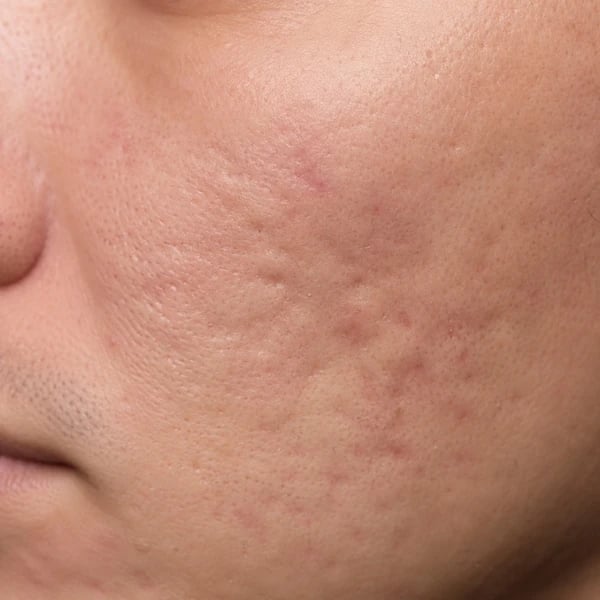
Rolling scars
Soft, wave-like depressions that give skin an uneven, undulating texture. They form when fibrous bands tether the skin surface down to deeper tissue. Because the underlying structure is the issue, surface-only treatments have limited effect — the tethering must be released first.
Treatment suitability
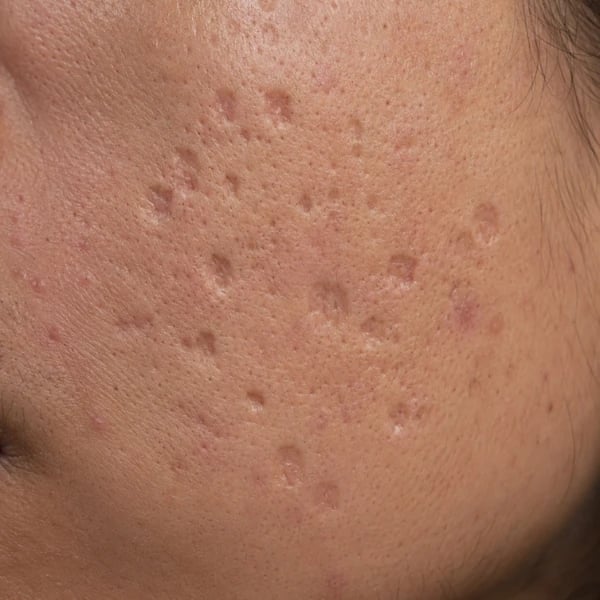
Boxcar scars
Wider, shallow-to-medium depressions with clearly defined, punched-out edges — similar in shape to chickenpox scars. They result from tissue loss after deep inflammation. The sharper the edge, the harder they are to resurface, but a combination approach often yields visible improvement.
Treatment suitability
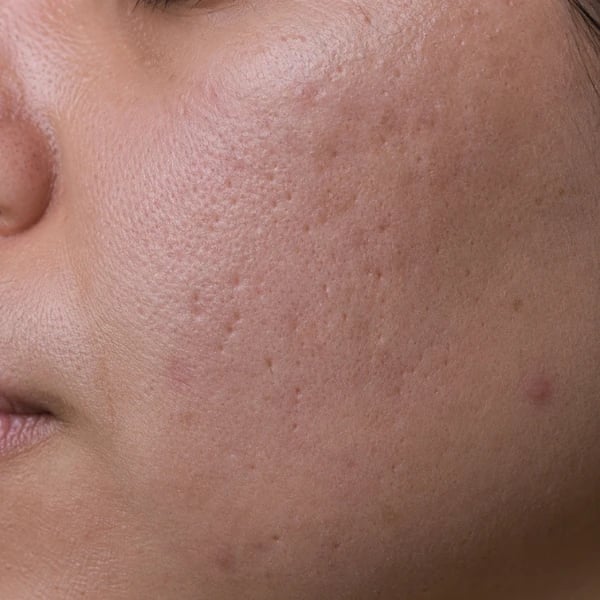
Ice pick scars
Narrow, deep channels that extend into the dermis or beyond, resembling a puncture wound. They are the hardest atrophic scars to treat because broad resurfacing cannot reach deep enough. Targeted, focused approaches are almost always required before any surface treatment.
Treatment suitability
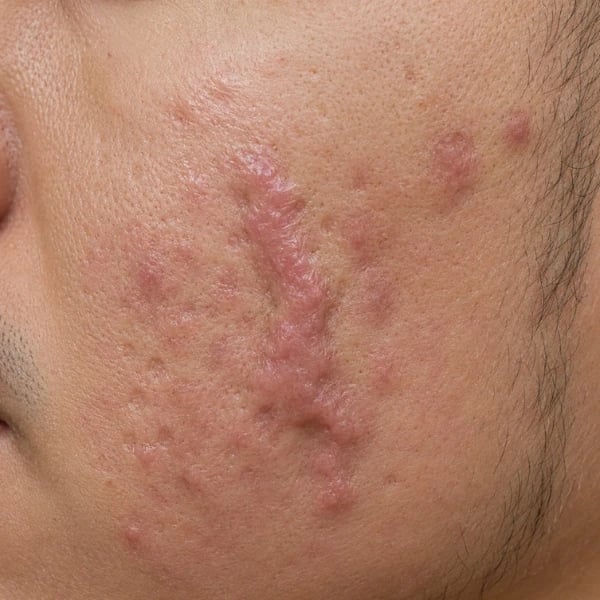
Atrophic scars
Flat, discoloured marks — red (erythema) or brown (post-inflammatory hyperpigmentation) — left after acne heals. Unlike true structural scars, atrophic marks represent pigment or vascular changes rather than tissue loss. Many fade on their own over months; targeted treatment can accelerate clearance significantly.
Treatment suitability
Acne may fade. Scars need a different plan.
Unlike active breakouts or post-acne marks, true acne scars affect the texture and structure of the skin. Your treatment plan should depend on scar type, depth, skin tone, and healing response — not just one machine or one session.
If you searched pimple scar treatment, pimple scar removal, or pimple marks treatment, see our dedicated pimple scar treatment page.
— Treatments
Personalised treatments for different acne scar types
No single treatment works for every scar. Your treatment plan may combine different modalities depending on scar depth, skin condition, downtime tolerance, and desired outcomes.
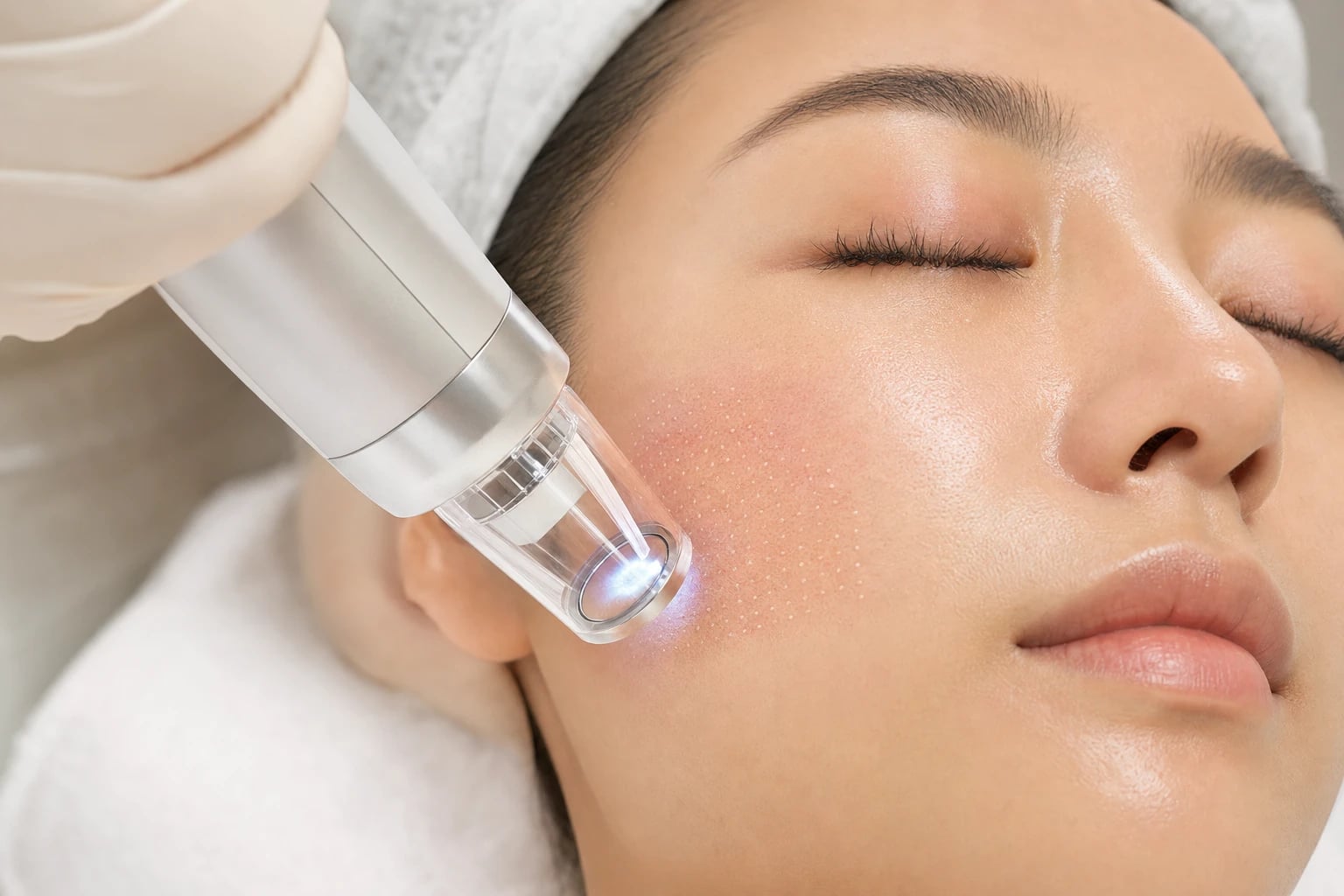
CO₂ Laser
Best for: Surface texture, atrophic scars, roughnessHelps resurface damaged skin and stimulate collagen remodelling to improve uneven texture over time.
Learn More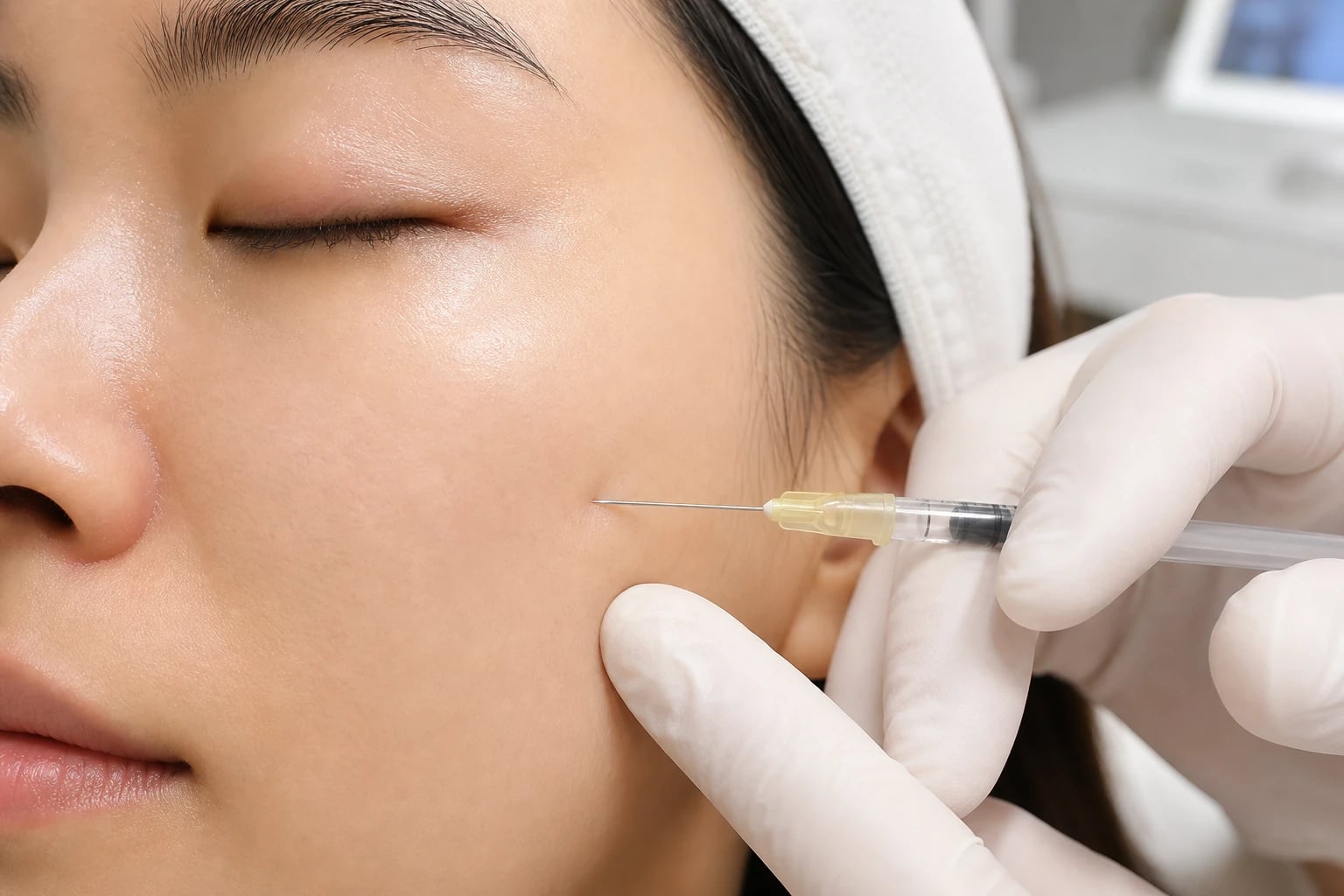
Subcision
Best for: Rolling or tethered scarsReleases fibrous bands beneath the skin that pull scars downward, helping depressed scars look softer.
Learn More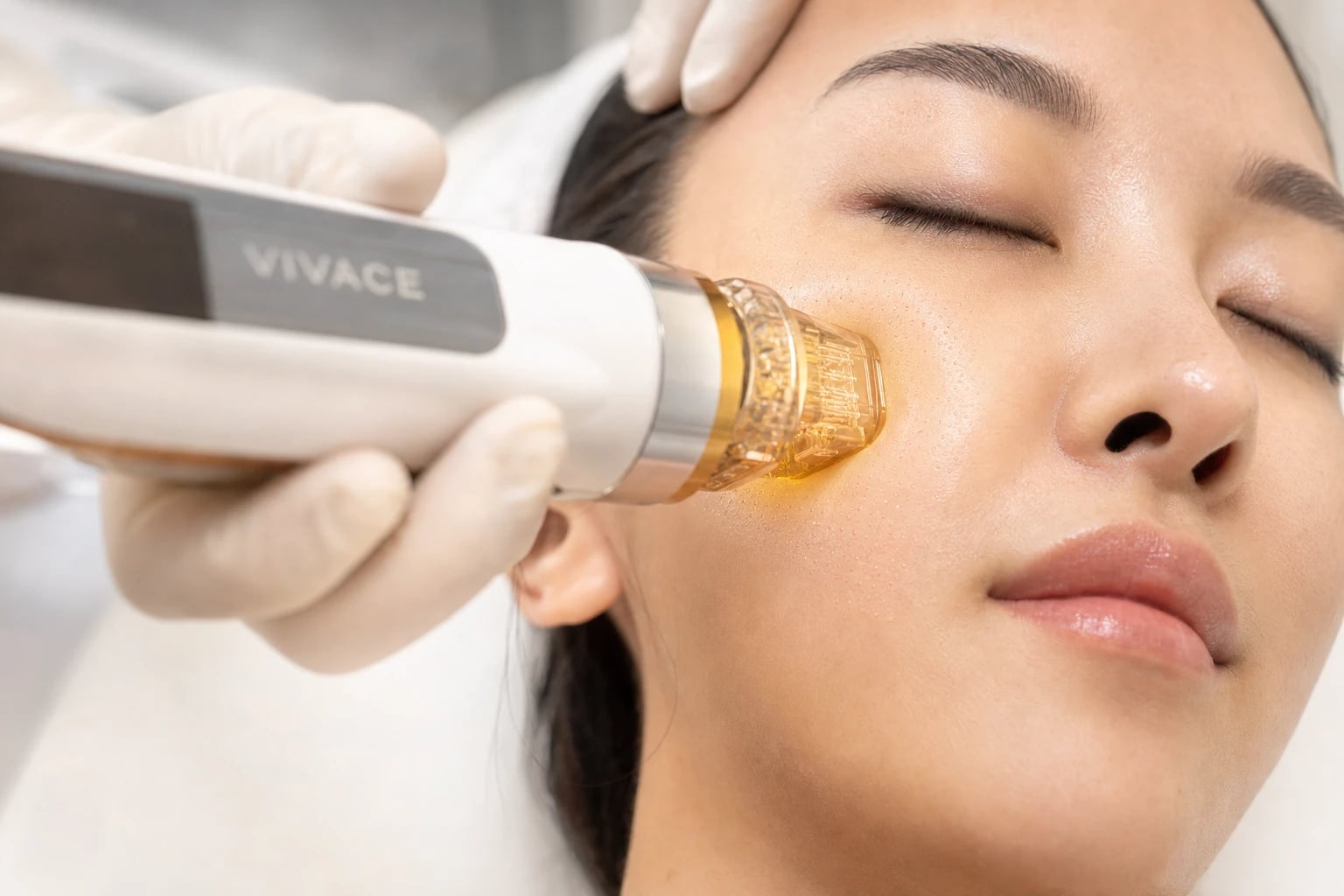
RF Microneedling
Best for: Mixed scars, texture, collagen supportUses controlled energy and microneedling to support collagen renewal with generally shorter downtime than ablative resurfacing.
Learn More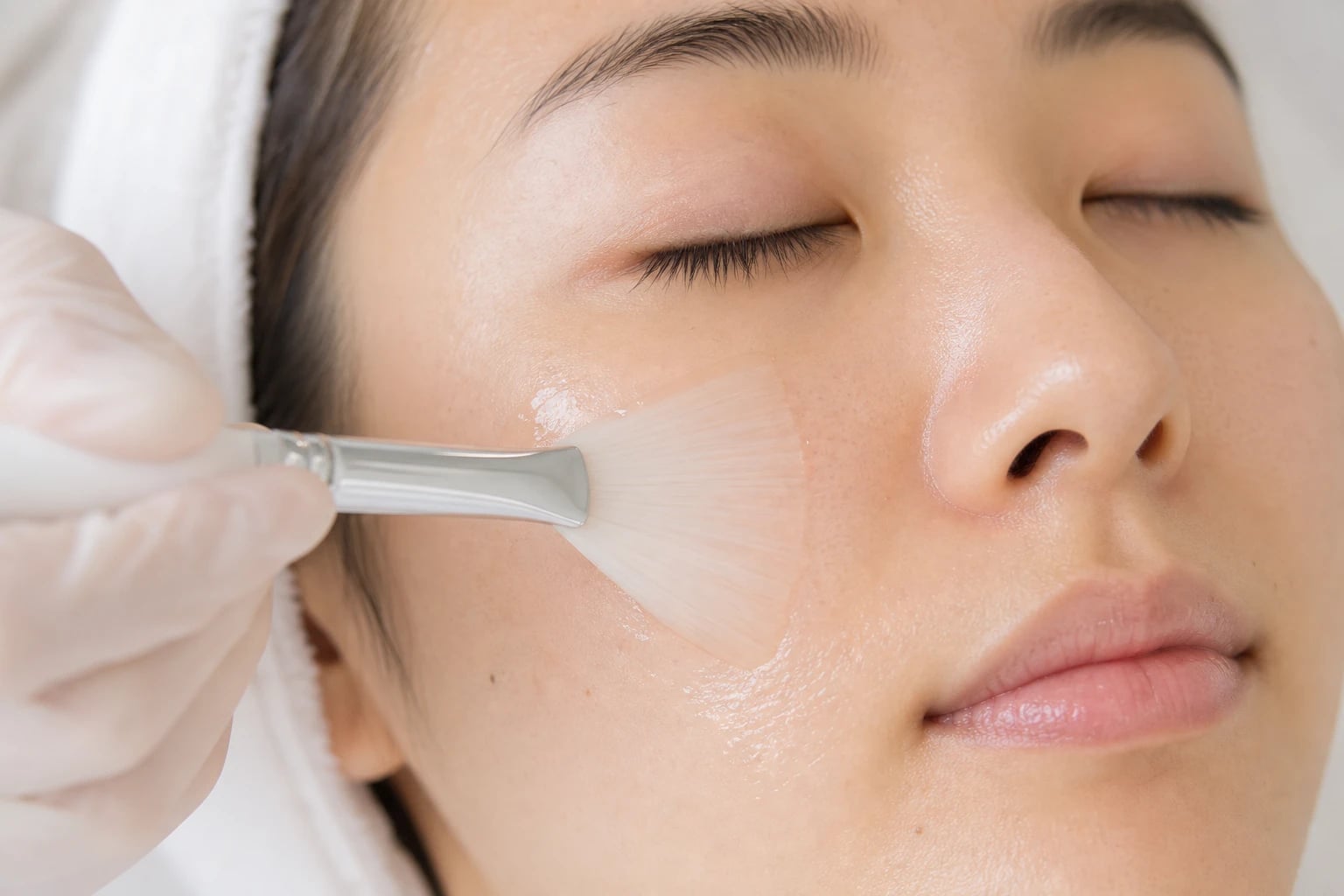
Chemical Peel
Best for: Post-acne marks, tone, mild texture, acne controlHelps improve skin clarity, congestion, pigmentation, and mild surface irregularity.
Learn More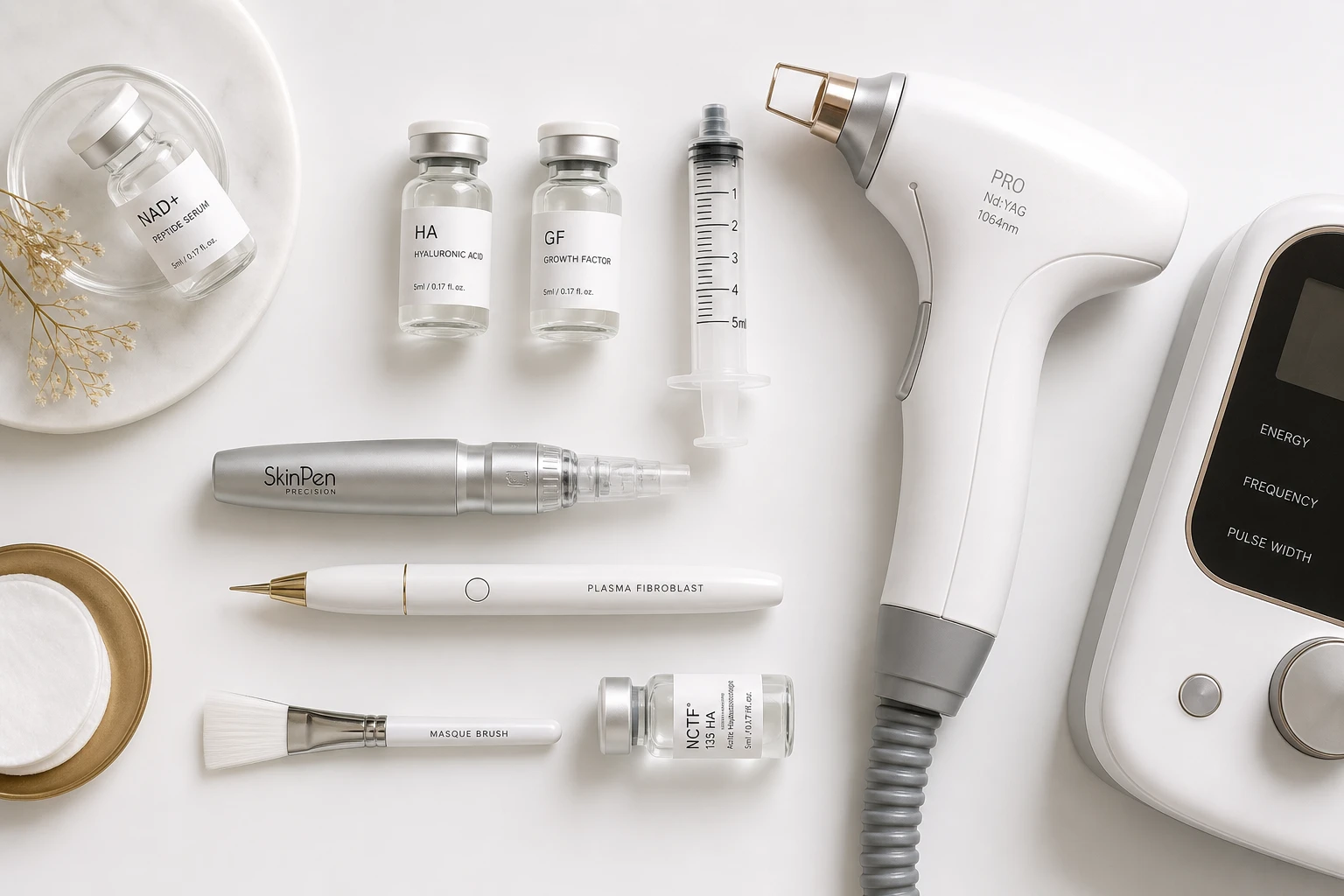
Combination Plans
Best for: Mixed acne scarringMany patients have more than one scar type. Your doctor may sequence treatments for better overall texture improvement.
Discuss Suitability
Acne Scar Treatment in Singapore
Best for: Being seen at our Singapore clinicsThe full scar pathway — assessment, subcision, laser and RF microneedling — at Tanjong Pagar, East Coast and Novena.
See Singapore OptionsAcne Scar Treatment in Johor Bahru
Best for: Being seen in Johor BahruThe same doctor-led scar pathway at our Iskandar Puteri clinic — 20–30 minutes from Singapore via the Tuas Second Link.
See Johor Bahru Options— Compare Options
Compare acne scar treatment options
| Treatment | Best for | Downtime | Typical sessions | Improvement timeline |
|---|---|---|---|---|
| CO₂ Laser | Texture, atrophic scars, resurfacing | 3–7 days | 2–4 | Gradual over weeks to months |
| Subcision | Rolling, tethered scars | Bruising/swelling | 1–3 | Improves as swelling settles and collagen remodels |
| RF Microneedling | Mixed scars, collagen support | 1–3 days | 3–6 | Gradual collagen remodelling |
| Chemical Peel | Marks, tone, acne support | Light flaking | 4–6 | Progressive clarity and tone improvement |
Best for: Texture, atrophic scars, resurfacing
Downtime: 3–7 days
Sessions: 2–4
Timeline: Gradual over weeks to months
Best for: Rolling, tethered scars
Downtime: Bruising/swelling
Sessions: 1–3
Timeline: Improves as swelling settles and collagen remodels
Best for: Mixed scars, collagen support
Downtime: 1–3 days
Sessions: 3–6
Timeline: Gradual collagen remodelling
Best for: Marks, tone, acne support
Downtime: Light flaking
Sessions: 4–6
Timeline: Progressive clarity and tone improvement
Your actual treatment plan depends on your scar type, skin condition, and doctor's assessment.
— Your Journey
Your acne scar treatment journey
Scar consultation
We review your skin concerns, acne history, previous treatments, and goals.
Skin and scar mapping
Your doctor identifies scar types such as rolling, boxcar, ice pick, post-acne marks, and uneven texture.
Personalised treatment plan
You'll receive a recommended plan based on suitability, downtime, and expected treatment sequence.
Treatment and follow-up
Your progress is reviewed over time, with aftercare guidance and adjustments where needed.
Scar consultation
We review your skin concerns, acne history, previous treatments, and goals.
Skin and scar mapping
Your doctor identifies scar types such as rolling, boxcar, ice pick, post-acne marks, and uneven texture.
Personalised treatment plan
You'll receive a recommended plan based on suitability, downtime, and expected treatment sequence.
Treatment and follow-up
Your progress is reviewed over time, with aftercare guidance and adjustments where needed.
— Why DrPlus
Why choose DrPlus for acne scars?
Doctor-led scar assessment
Your doctor assesses scar type, scar depth, active acne, skin tone, and downtime preference before recommending treatment.
Combination treatment planning
Acne scars often need more than one approach. We plan around your skin rather than forcing every patient into one device.
Progressive, natural-looking improvement
The goal is smoother, healthier-looking skin over time — with realistic expectations and proper aftercare.
Private care in Johor Bahru
A calm, discreet clinical experience from consultation to follow-up.
— Your treating doctor
A personalised plan starts with proper skin assessment

Dr Kenneth Lee
Aesthetic Physician
DrPlus Aesthetics Clinic
Dr Kenneth Lee completed his medical degree at Cardiff University, UK, under a Public Service Department scholarship, and trained across London hospitals in general medicine, surgery, paediatrics, and emergency medicine before returning to Asia to specialise in aesthetic and regenerative medicine.
He holds LCP certification for Aesthetic Practices in Malaysia and continues to train with the Aesthetic Dermatology Educational Group in Singapore and the American Academy of Aesthetic Medicine. His focused interest in collagen science and skin regeneration led Channel NewsAsia to feature him as “The Collagen Doc®”.
When you consult at DrPlus, that background is what guides your assessment — not a treatment menu.
Dr Kenneth Lee · Qualifications
- MBBCh· Cardiff University · UK
- GDipFP Dermatology· NUS · Singapore
- Aesthetic Medicine· AAAM · USA
- LCP Certified· Malaysia
12+
Years Experience
8k+
Treatments
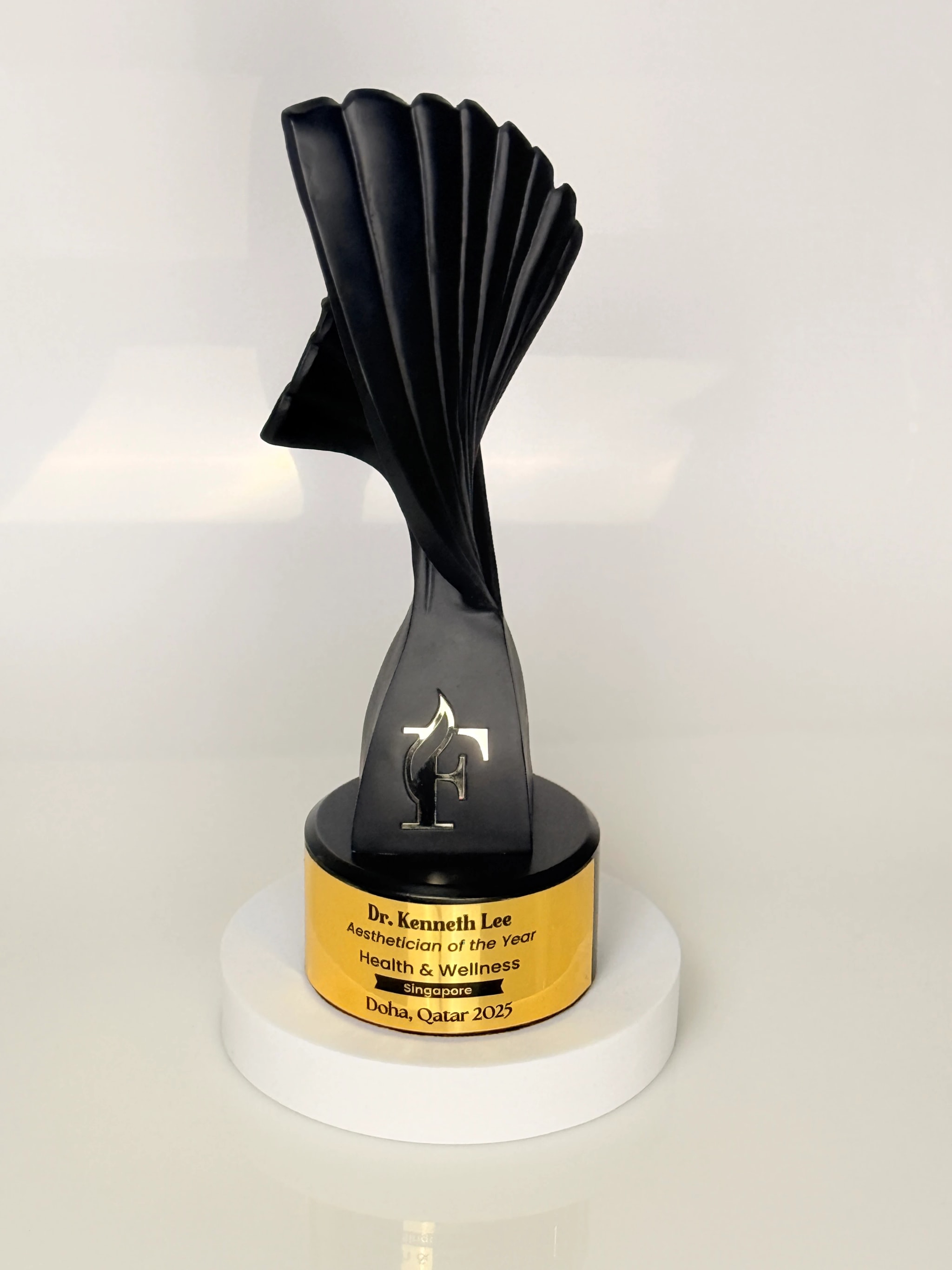
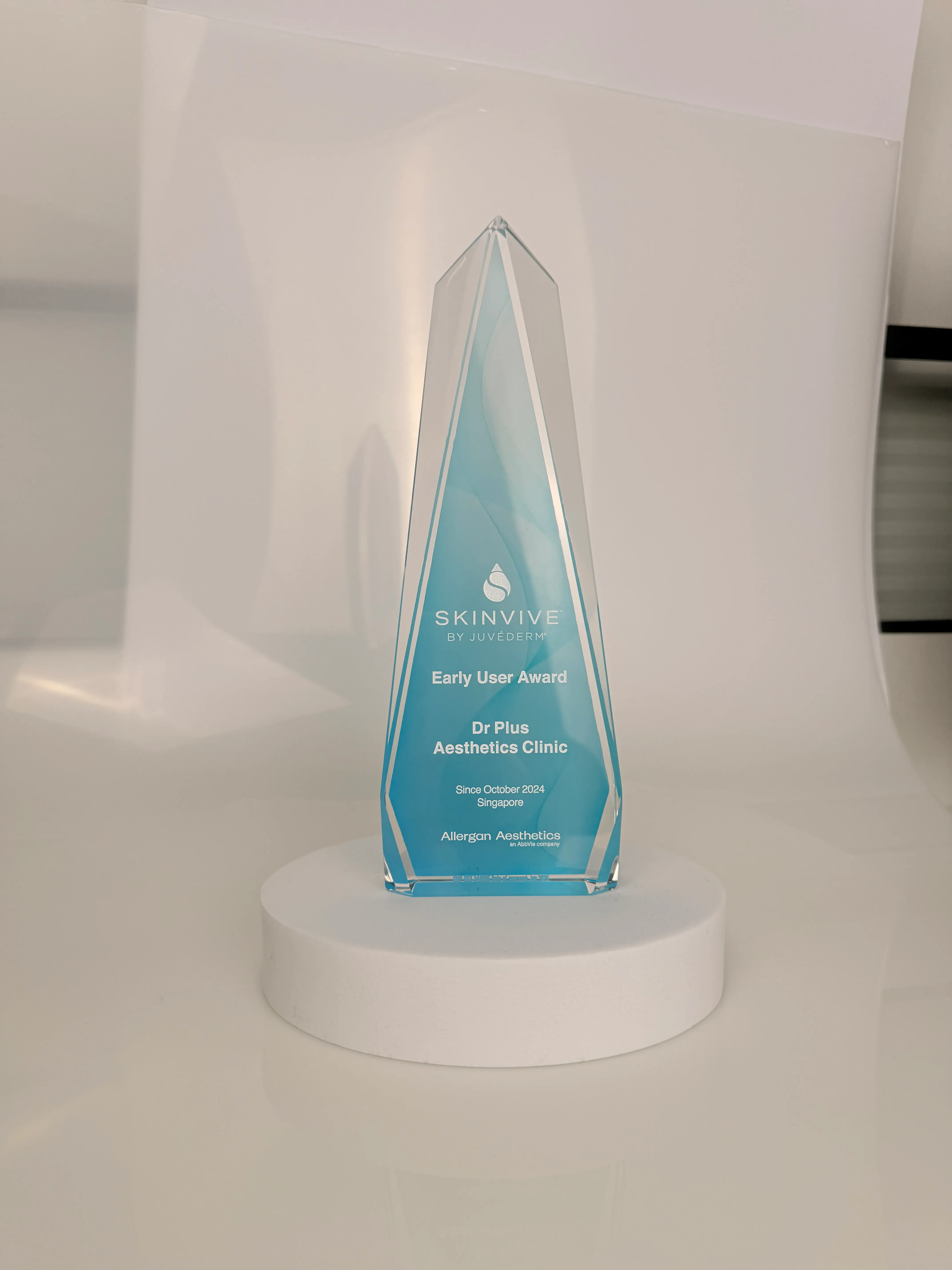
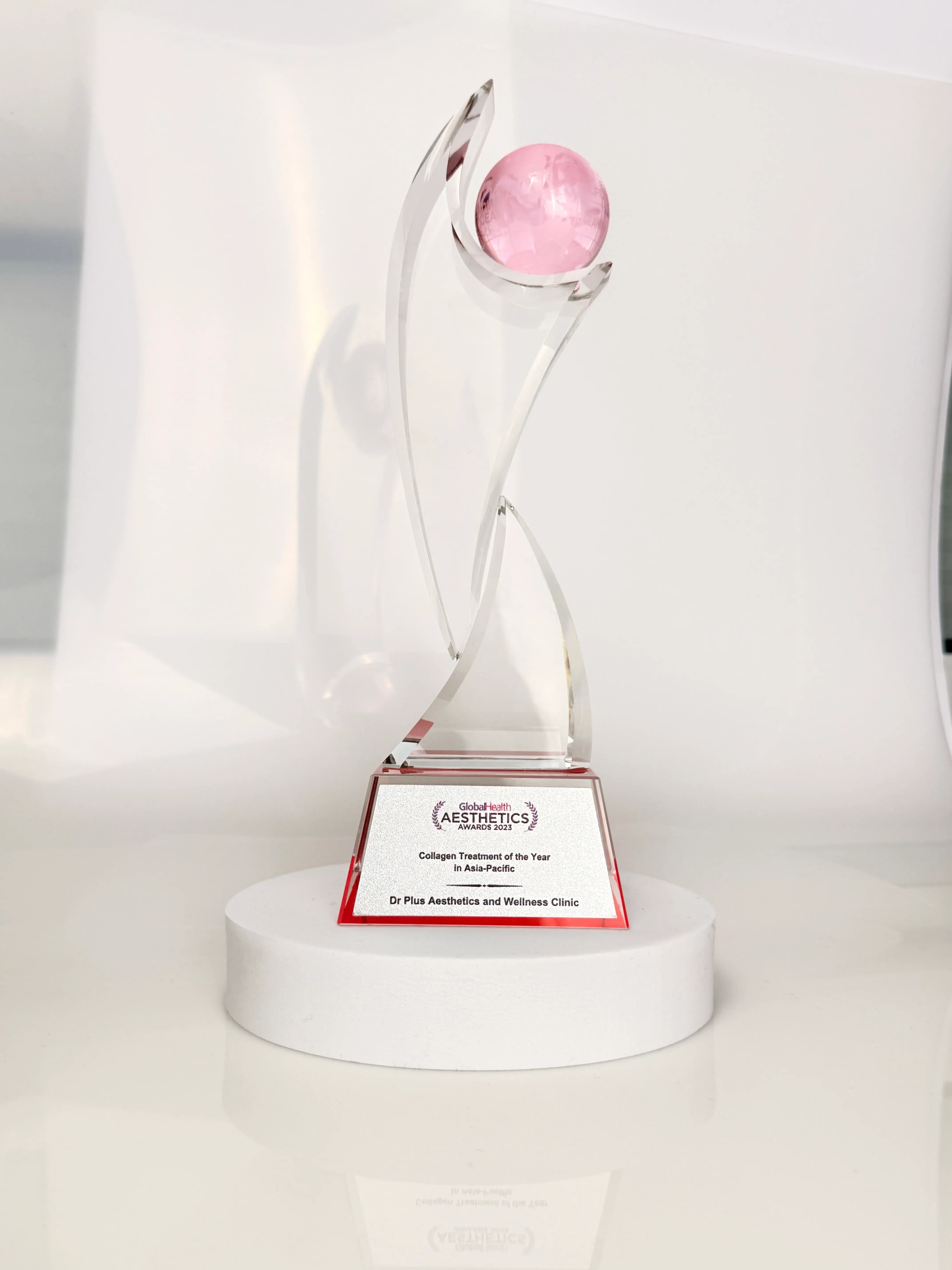
Recognised across aesthetics and wellness care
DrPlus and Dr Kenneth Lee have received regional and international recognition across aesthetic medicine, collagen treatment, and clinic partnership categories.
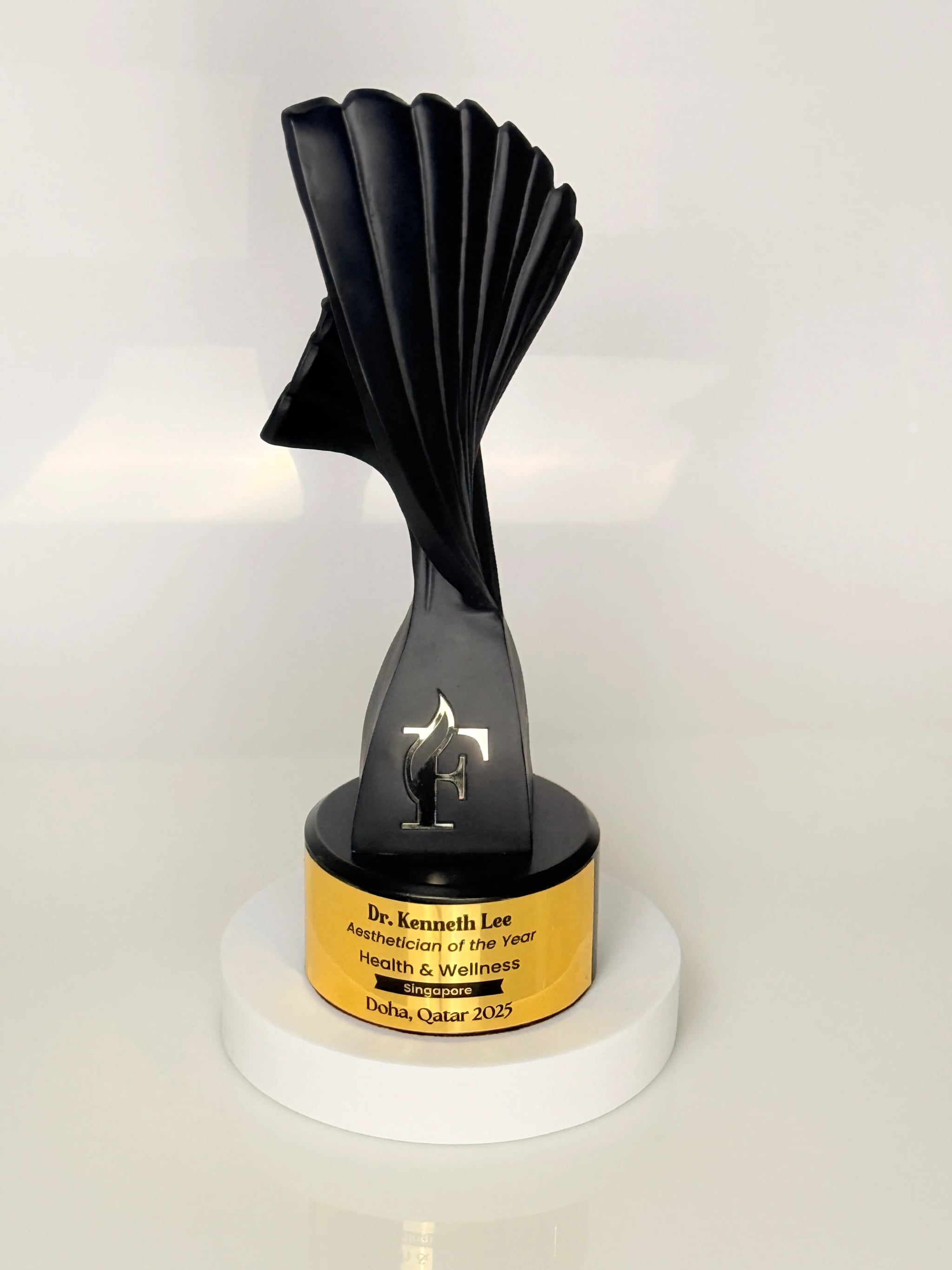
Aesthetician of the Year
Health & Wellness Awards, 2025
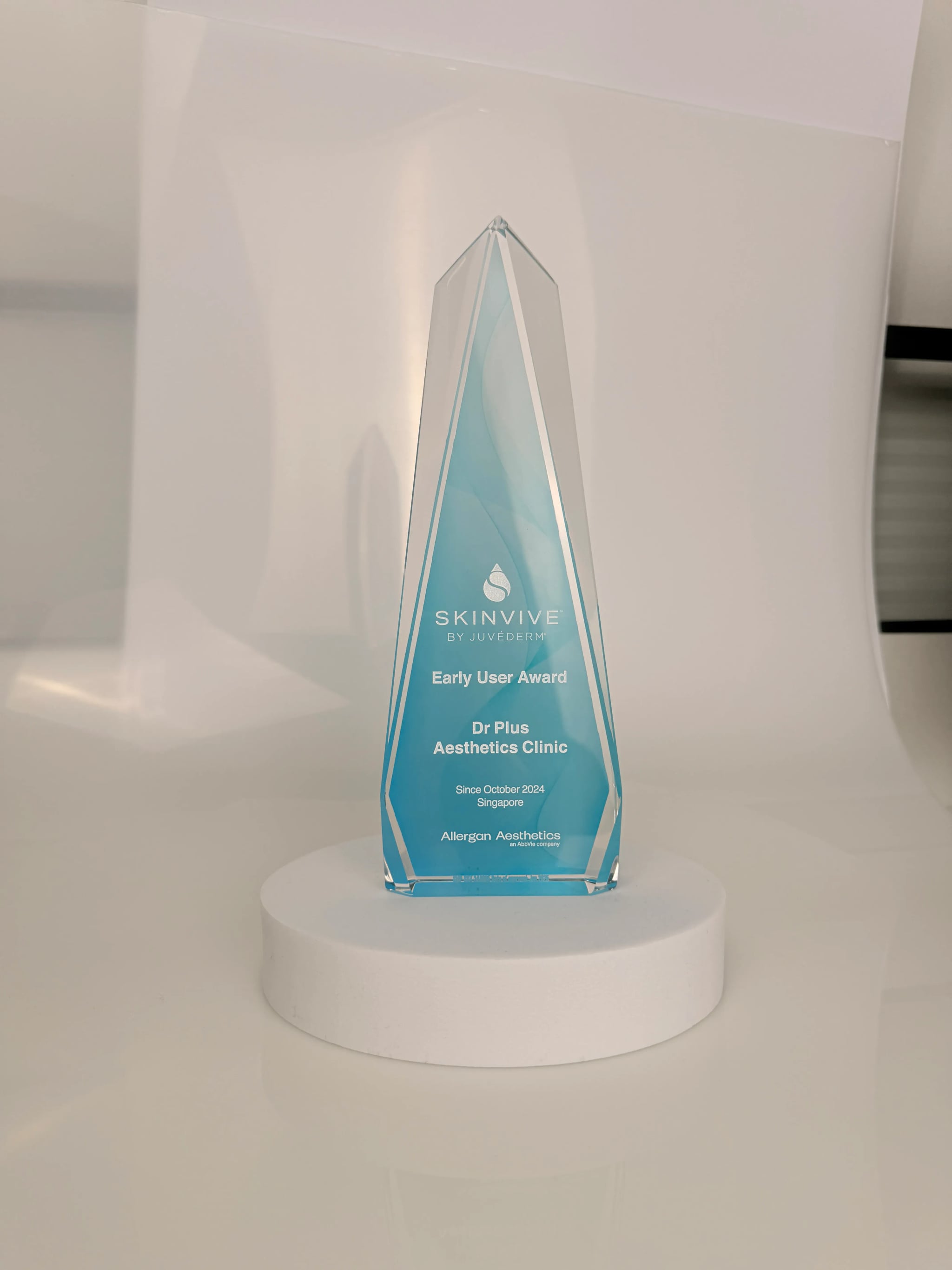
Skinvive Early User Award
Juvéderm / Allergan Aesthetics
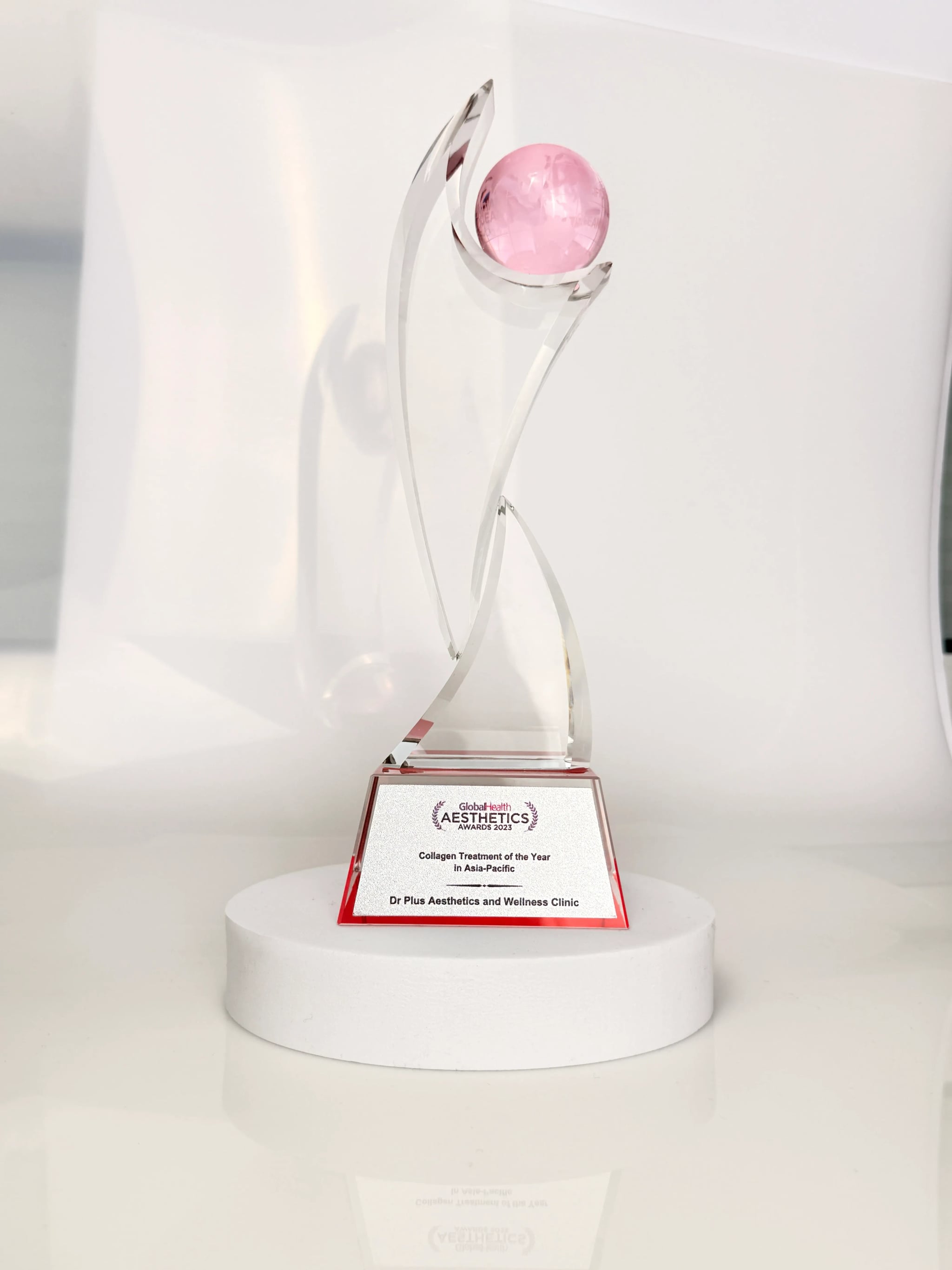
Collagen Treatment of the Year
Asia-Pacific
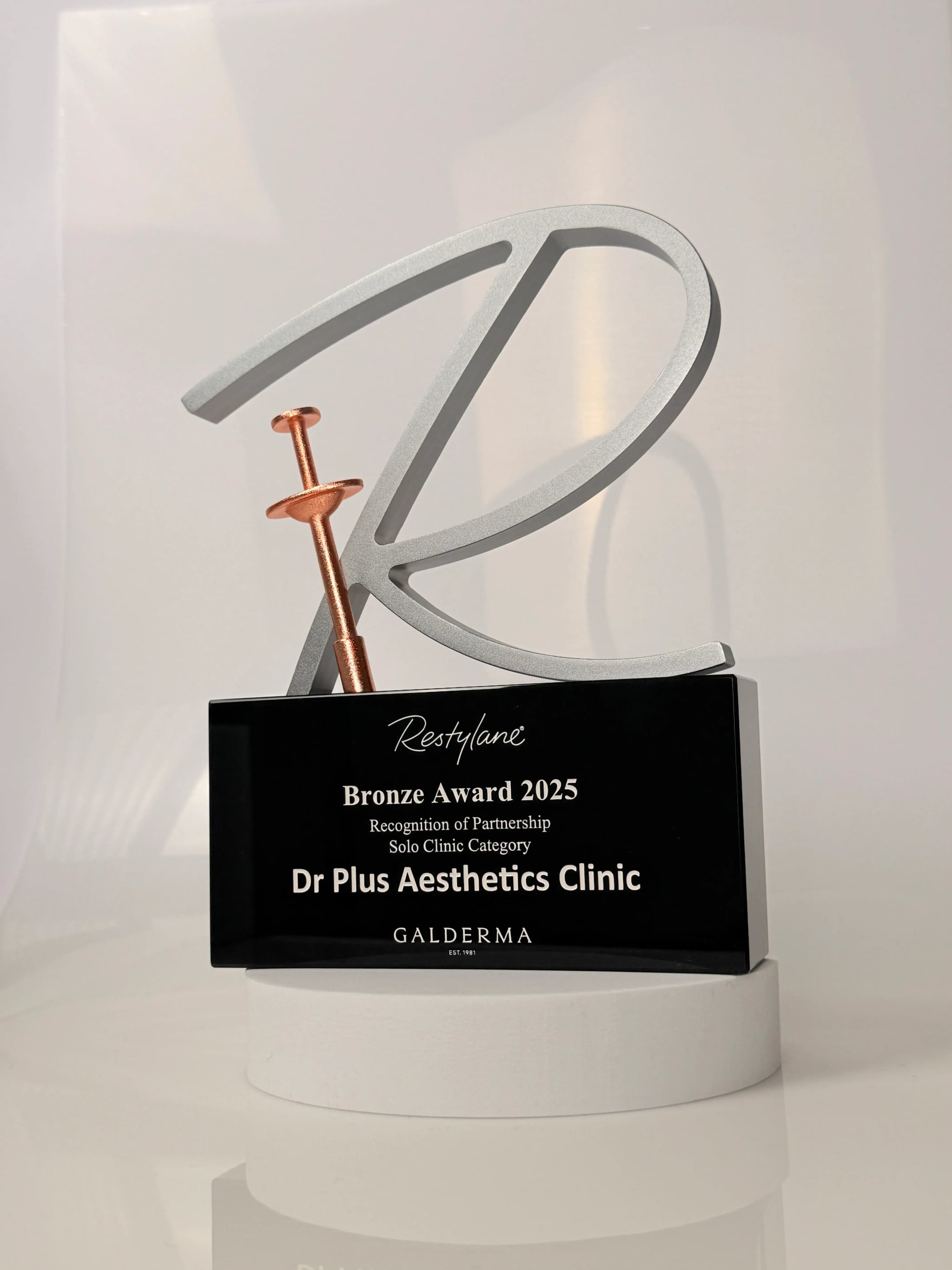
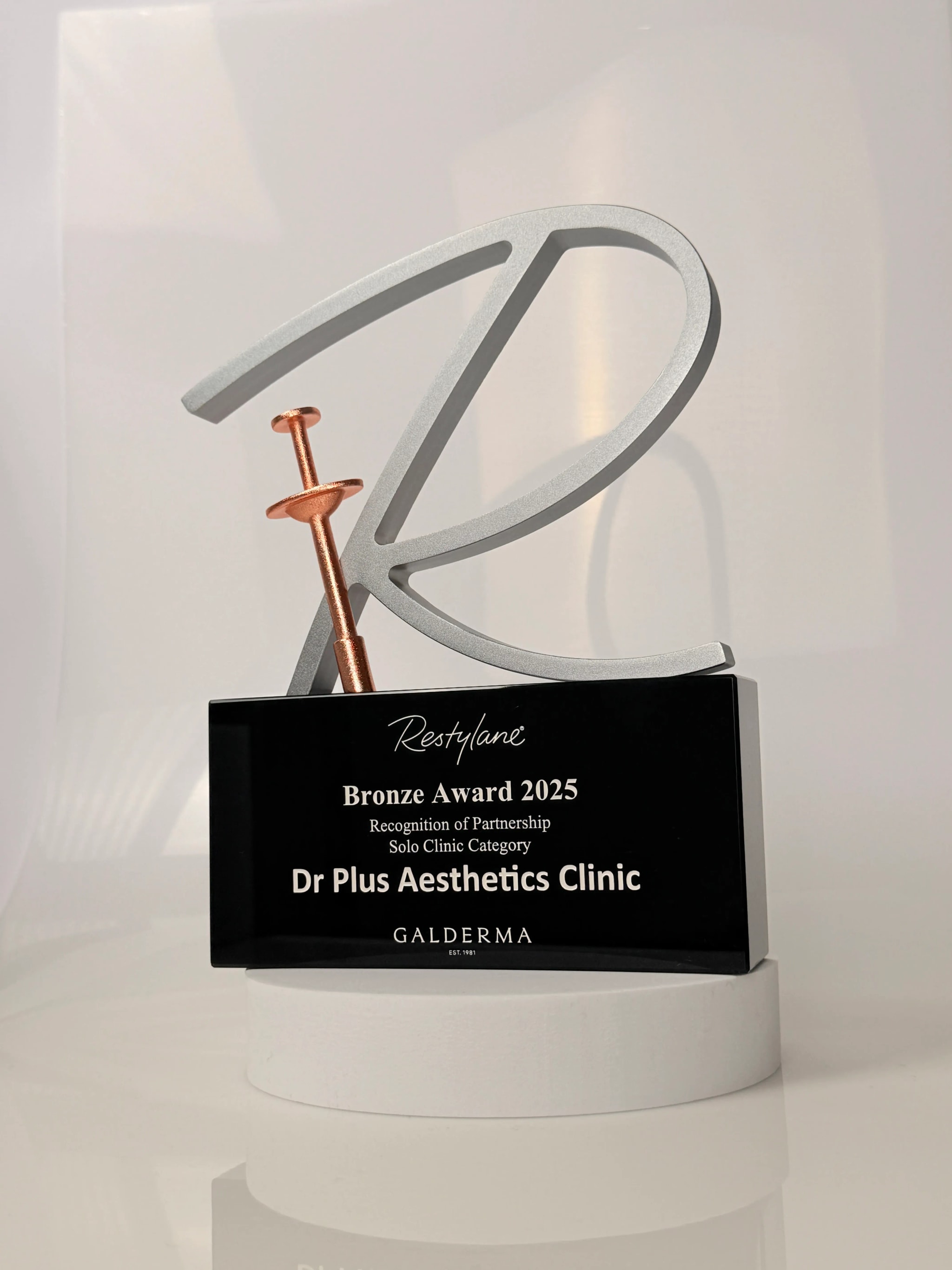
Restylane Bronze Award
Galderma, 2025
— FAQ
Acne scar treatment FAQ
The best treatment depends on your scar type. Rolling scars often respond to subcision, boxcar and atrophic scars to CO₂ laser or RF microneedling, and post-acne marks to chemical peels or pico laser. At DrPlus in Johor Bahru, your doctor maps your scar types and recommends a personalised plan — many patients benefit from a combination approach rather than one device alone.
Acne scar removal aims to significantly improve the appearance of scarring rather than guarantee complete erasure. Pimple scars — the marks or depressions left after breakouts — are treated the same way as acne scars. Depending on scar depth and type, treatments like CO₂ laser, subcision, or RF microneedling can substantially reduce visible scarring over a series of sessions.
DrPlus Aesthetic Clinic in Iskandar Puteri, Johor Bahru offers doctor-led scar treatment for acne scars, pimple scars, and post-acne marks. Your doctor assesses your scar type before recommending a treatment plan. We welcome patients from across Johor Bahru, Iskandar Puteri, and Singapore.
It depends on your scar type, depth, skin tone, and whether you still have active acne. Some scars respond better to resurfacing, while tethered scars may need subcision or combination treatment.
Most acne scar treatments aim to improve and soften scars, not promise complete removal. Results vary depending on scar depth, skin type, treatment choice, and healing response.
CO₂ laser can help improve surface texture and certain atrophic scars, but it may not be suitable for every scar type or skin tone. A doctor’s assessment is needed.
They treat different problems. Subcision helps release tethered rolling scars, while laser improves surface texture. Some patients may benefit from both.
If you still have frequent inflamed acne, your doctor may recommend controlling active acne before starting scar-focused procedures.
Many patients need a series of treatments because collagen remodelling and scar improvement happen gradually.
Yes. Mixed acne scars often benefit from a combination plan such as subcision with laser or RF microneedling, depending on suitability.
Some treatments need extra caution in pigmentation-prone skin. Your doctor will assess your skin tone and recommend suitable settings or alternatives.
Costs in Malaysia vary widely because acne scar treatment is a plan, not a single procedure — the price depends on your scar types, which modalities are combined (subcision, CO₂ laser, RF microneedling, peels), and how many sessions your skin realistically needs. We do not publish prices; after your doctor has mapped your scars you receive a personalised, written quote with no obligation to proceed. WhatsApp us a photo of your scars and we can usually explain what your plan would involve within minutes.
Acne scar treatment is a multi-session journey, and patients tell us they travel for the assessment quality — a doctor who maps every scar type and sequences subcision, laser and microneedling honestly, rather than selling a single machine. Sessions are typically spaced 4–8 weeks apart, so many KL patients pair each visit with a JB or Singapore trip (flights to Senai take under an hour). Send us photos on WhatsApp first and your doctor will tell you plainly what improvement is realistic before you plan anything.

— Acne Scar Education
Learn how acne scars form, why scar type matters, and which treatments may help
A doctor-led series written to help you understand your skin before any consultation in Johor Bahru. Start with the foundations, then explore the individual scar types and treatment options. Each guide links back to the relevant treatment pages at DrPlus.
The quiet trust of those we care for.
The most considered medical experience I have had. Results that feel like myself, only quieter.
Dr Kenneth's restraint is rare. I trust him completely with the long-term care of my skin.
Everything about the clinic — the light, the silence, the precision — feels deliberate.
— Book Your Visit
Start with a doctor-led scar assessment
Send us a photo or book a private consultation. Your doctor will assess your scar type and recommend a suitable treatment plan for your skin.
- Doctor-led assessment and recommendations
- Reviewed personally — not auto-routed
- Discreet handling of sensitive concerns
- Reply typically within one business day
A QUICKER SCROLL
Clinic life, in short clips
Take a breather from the detail — swipe through Facebook and TikTok moments from DrPlus, then continue when you're ready to book.