
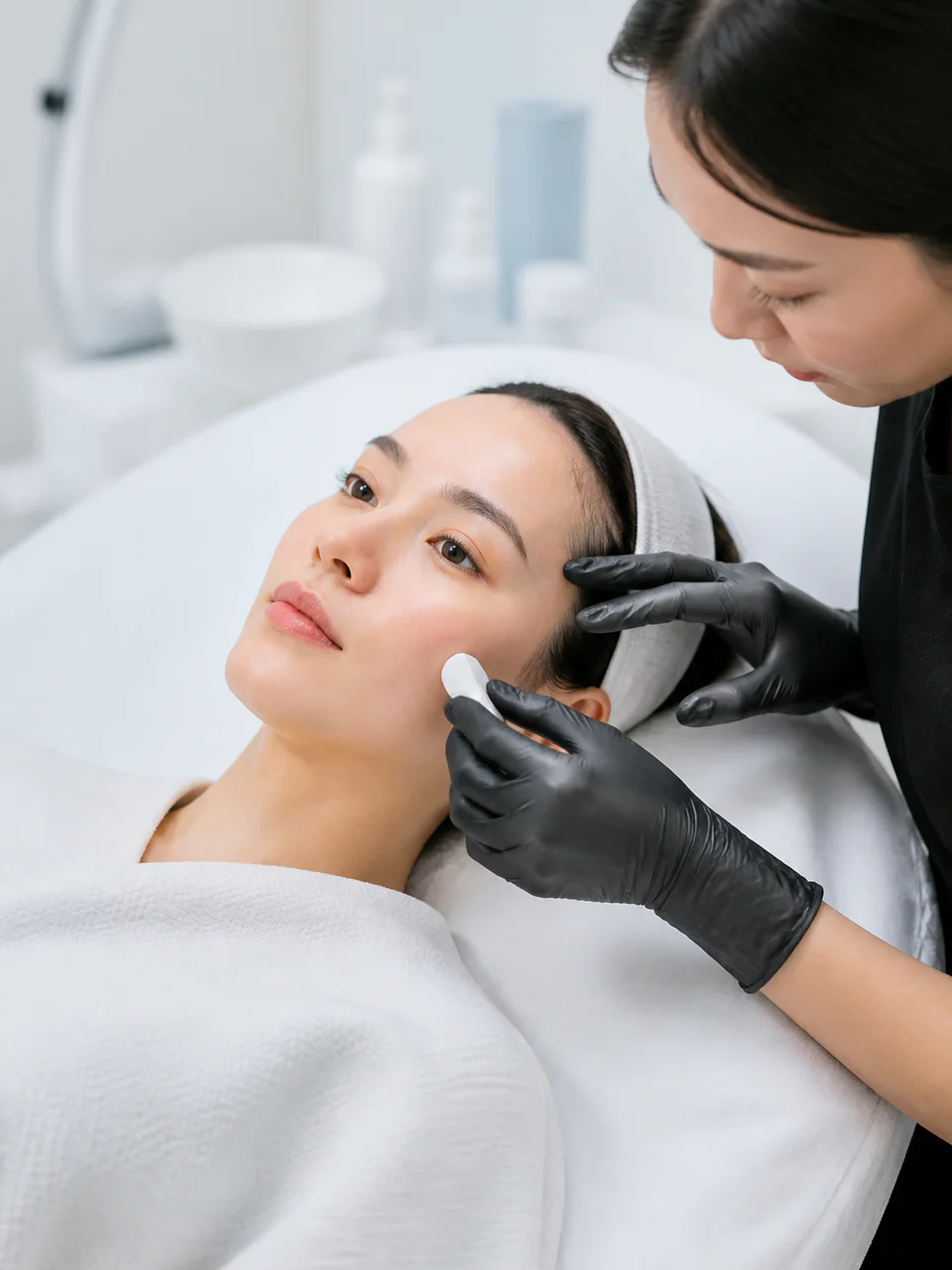
Skin Concerns · Pigmentation
Pigmentation Treatment & Removal — Melasma, Sun Spots & PIH
Melasma, sun spots, and post-acne marks respond to the right diagnosis and a patient plan. Your doctor finds what's driving the pigment — then builds a path toward lasting clarity, for patients across Johor Bahru and Singapore.














— Pigment Types
Not all pigmentation is treated the same way
Identifying what type of pigment you have — and how deep it sits — is the first step toward a plan that works. These are the four patterns we assess and treat most often at DrPlus.
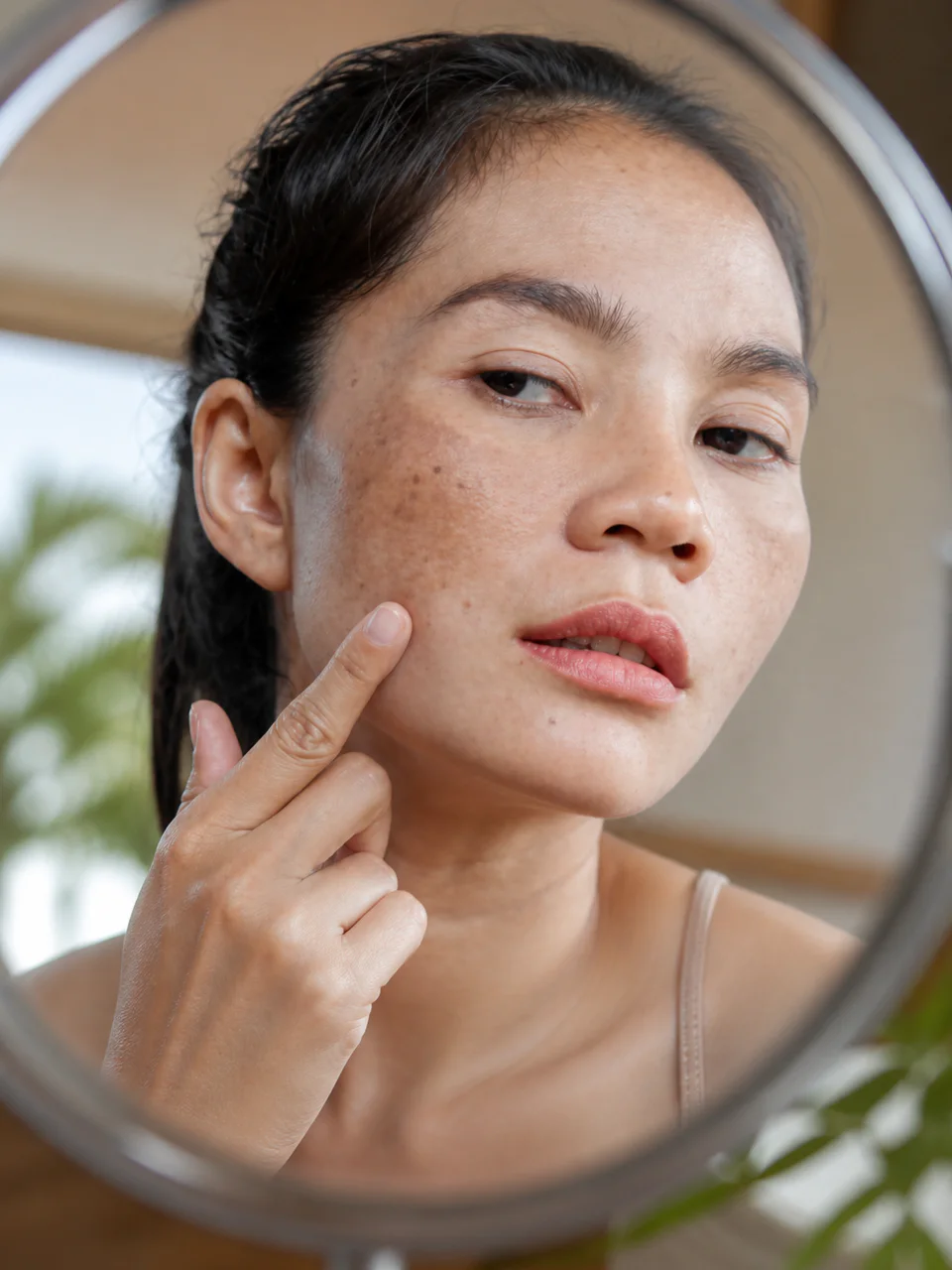
Melasma
Symmetrical brown or grey-brown patches, usually across the cheeks, forehead, or upper lip. Driven by hormones, heat, and UV, melasma sits deeper than most pigment and is the easiest type to worsen with aggressive treatment. It responds to patient, conservative plans — never a single strong session.
Treatment suitability
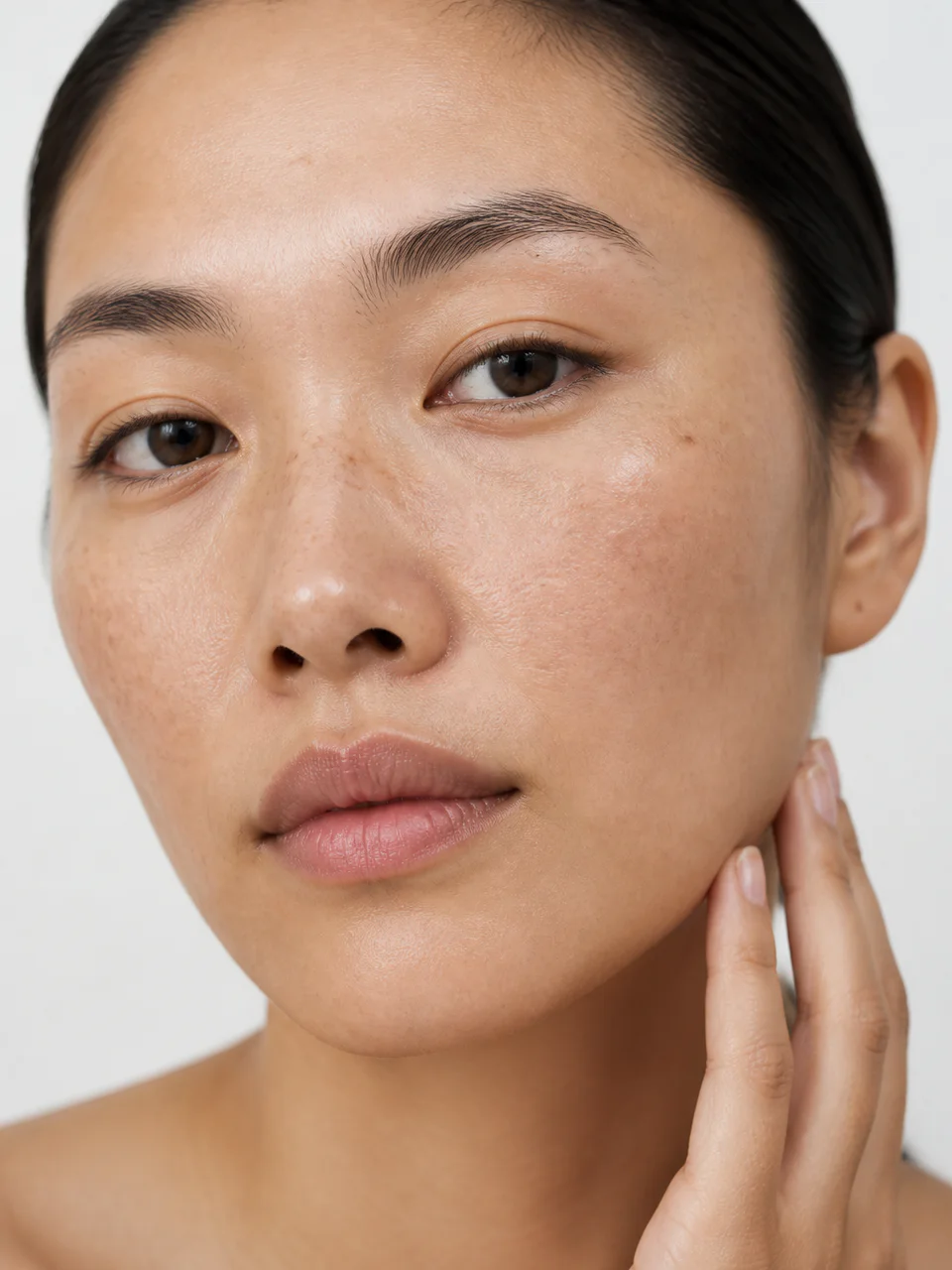
Sun spots & age spots
Well-defined brown spots on sun-exposed areas — face, hands, shoulders — from cumulative UV over the years. Because the pigment is superficial and stable, sun spots are among the most treatable pigmentation, often clearing significantly within a short series of sessions.
Treatment suitability
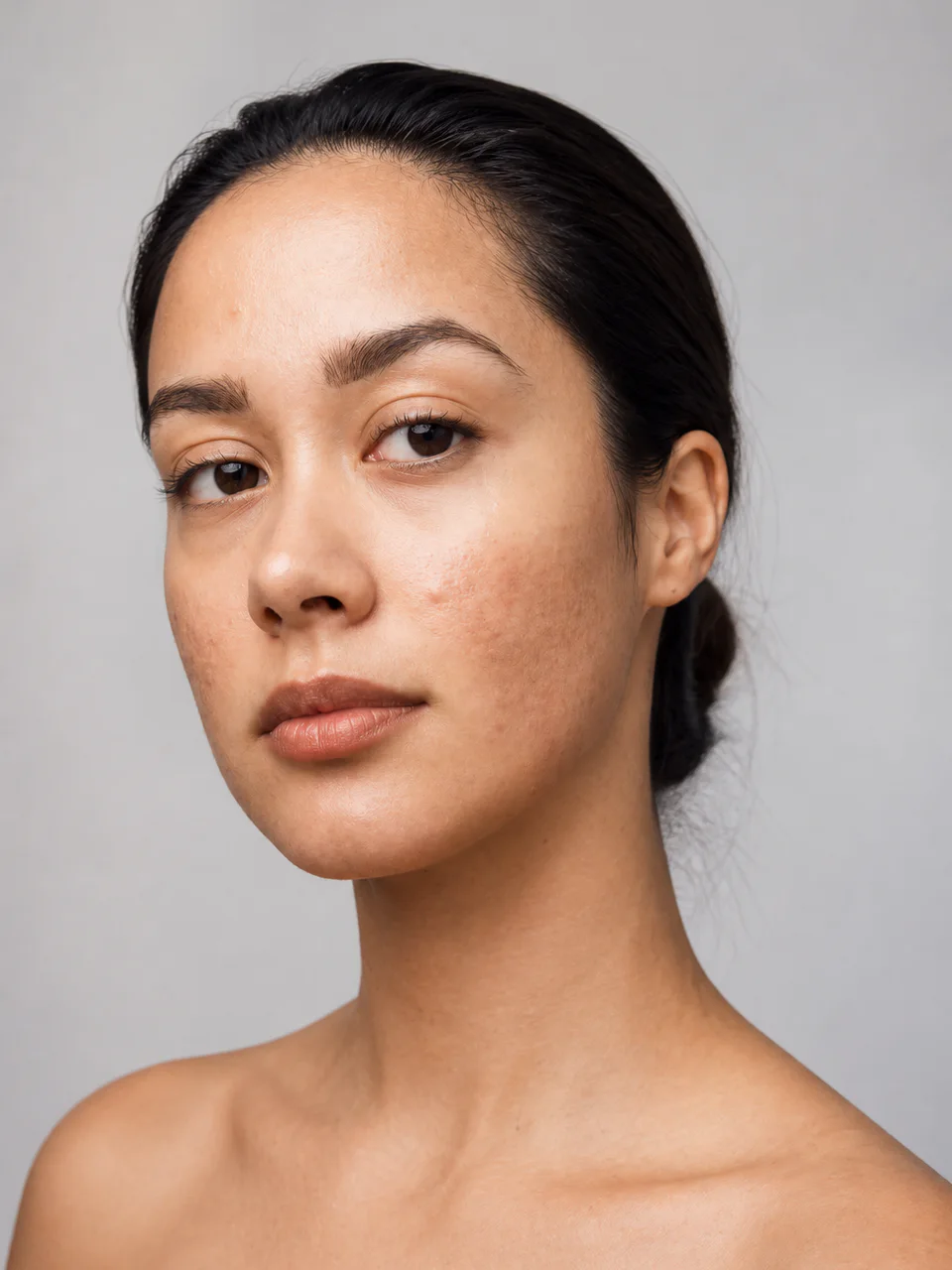
Post-inflammatory hyperpigmentation (PIH)
Flat brown marks left behind once acne, insect bites, eczema, or a procedure heals. PIH is a pigment problem, not a scar — it fades naturally over months, and the right combination of peels, laser, and topicals can speed that clearance considerably.
Treatment suitability
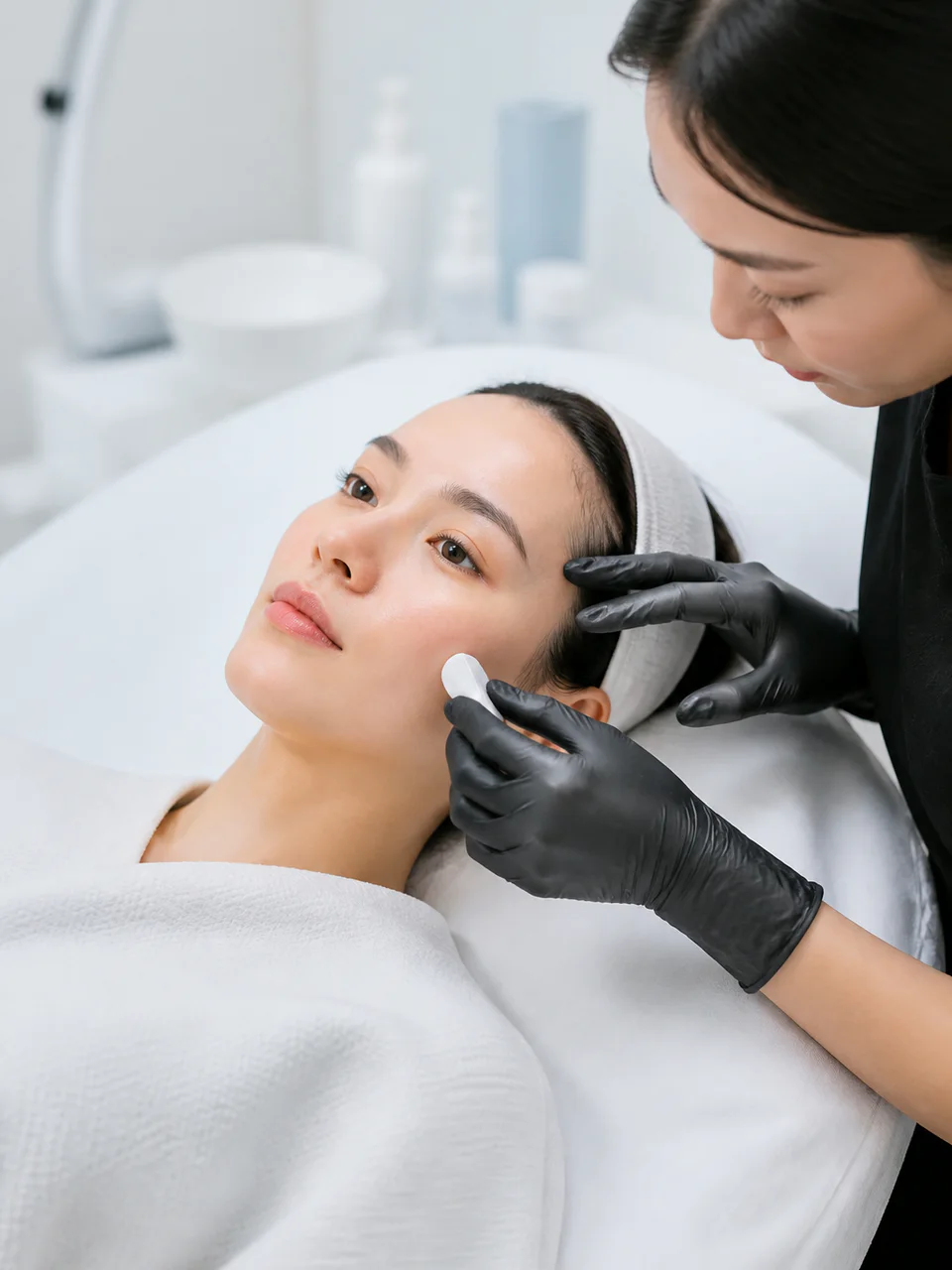
Freckles & uneven tone
Scattered small spots and a generally uneven, dull complexion — often a mix of genetics and sun habits. Diffuse tone responds well to a toning-style laser program, with peels and daily protection maintaining the evenness you gain.
Treatment suitability
— Your Concern
Your clearest skin is closer than you think
Hyperpigmentation makes you feel like you're fighting your own skin. Melasma, solar lentigines, and post-acne marks differ in depth and behaviour — but they share one thing: they respond to precision, patience, and the right plan.
DrPlus approaches pigmentation with a diagnosis-first mindset. Your doctor evaluates pigment depth, skin type, hormonal factors, and current skincare before recommending pico laser, chemical peels, or supportive topicals — often sequenced together — building toward the even-toned complexion you've been working toward.
Consistent sun protection is the foundation. Treatment lightens what's there; your daily habits protect what you've gained.
— Treatments
Treatment options
Each approach addresses different aspects of your concern. Your doctor will recommend what suits you after assessment.
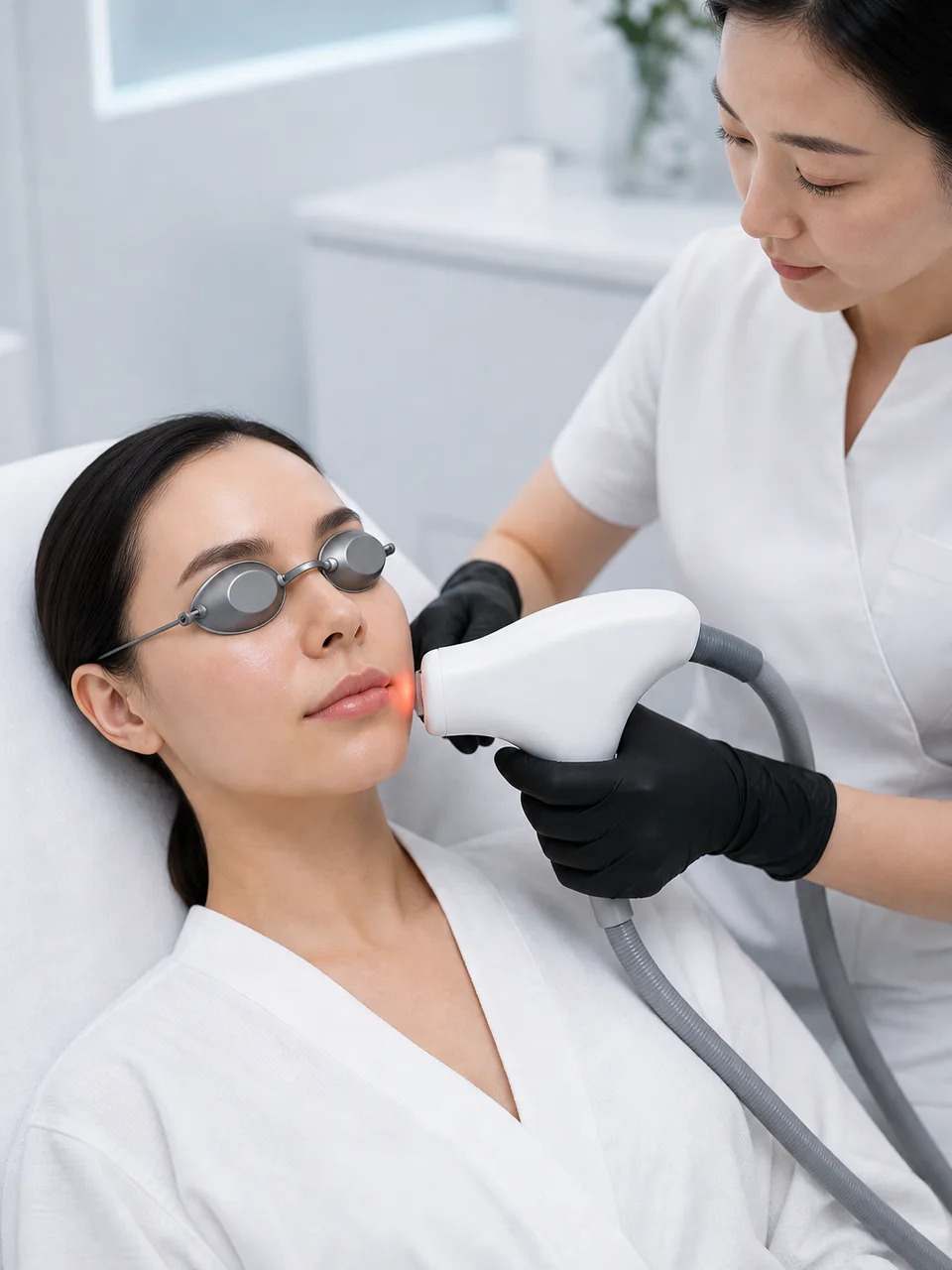
Pico Laser
Best for: Melasma & deep pigmentUltra-short pulses break pigment apart with minimal heat — the core treatment for melasma, sun spots, and stubborn tone.
Learn MoreChemical Peel
Best for: Surface pigment, PIH & dullnessDoctor-selected peels lift superficial pigment and brighten overall tone — often paired with laser for faster clarity.
Learn More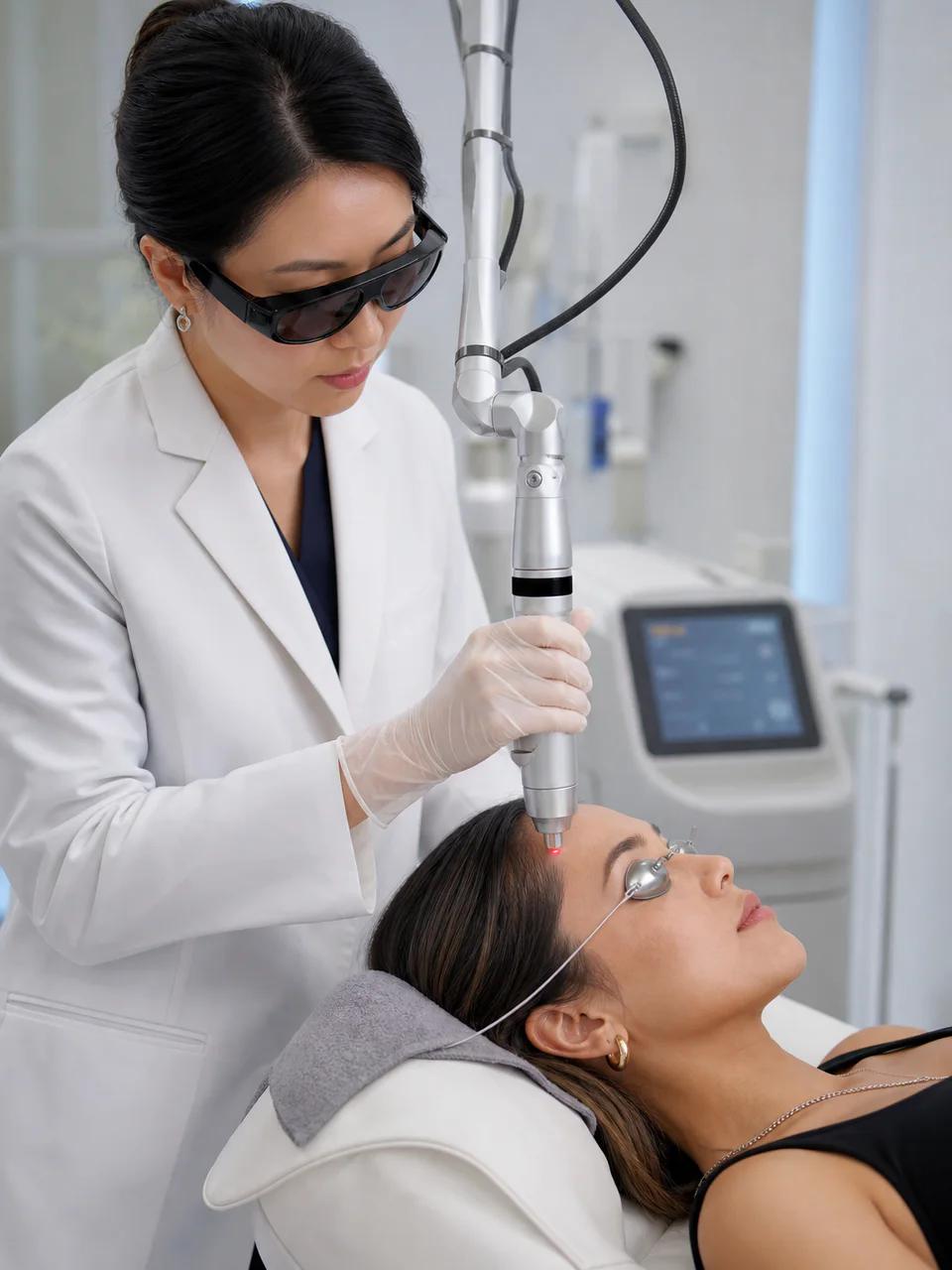
Laser Programs
Best for: Stubborn or widespread pigmentationA doctor-planned laser course that sequences sessions and settings around your pigment type and how your skin responds.
Learn MoreCombination Plans
Best for: Mixed pigment typesMelasma, sun spots, and PIH often coexist. Your doctor may sequence laser, peels, and topicals for a better overall result.
Discuss SuitabilityPigmentation Treatment in Singapore
Best for: Being seen at our Singapore clinicsPico laser, peels and doctor-planned pigment programs at Tanjong Pagar, East Coast and Novena.
See Singapore OptionsPigmentation Treatment in Johor Bahru
Best for: Being seen in Johor BahruThe same doctor-led pigment pathway at our Iskandar Puteri clinic — 20–30 minutes from Singapore via the Tuas Second Link.
See Johor Bahru Options— Compare Options
How treatments compare
A simplified overview. Your doctor will recommend what suits your skin after assessment.
| Treatment | Best for | Typical downtime | Sessions |
|---|---|---|---|
| Pico Laser | Melasma, sun spots, deep pigment | Minimal | 4–8 typical |
| Chemical Peel | Surface pigment, PIH, dullness | Light flaking | 4–6 typical |
| Laser Program | Stubborn or mixed pigment | Minimal per session | Doctor-planned course |
— Why DrPlus
Clinical care, quietly delivered
Every plan is overseen by a qualified physician — not a sales consultant.
Treatment plans are tailored to your skin condition, goals, tone, downtime, and suitability.
Protocols are selected for clinical relevance, not trend-driven marketing.
A calm, private clinic designed for unhurried consultation and discreet care.
— Process
Your consultation journey
Private Consultation
A discreet, unhurried conversation about your concerns, goals, and medical history.
Clinical Assessment
Your doctor examines your skin or concern and explains suitable options without pressure.
Personalised Plan
A tailored treatment sequence designed around your condition, downtime, and expectations.
Follow-up Care
Structured reviews and aftercare guidance for the duration of your program.
— Doctor-led planning
Doctor-led pigmentation planning
Treatment choice for pigmentation depends on pigment type, depth, skin tone, hormonal factors, and sun behaviour. Pico laser, peels, and topicals each have a role — your plan is built around which combination is appropriate for your case.
Consultations are led by Dr Kenneth Lee (The Collagen Doc®), whose clinical interest in skin regeneration and collagen-focused care guides treatment planning at DrPlus.
Ask our doctor what is realistic for your skinDr Kenneth Lee · Qualifications
- MBBChCardiff University · UK
- GDipFP DermatologyNUS · Singapore
- Aesthetic MedicineAAAM · USA
- LCP CertifiedMalaysia
12+
Years Experience
8k+
Treatments
Ready to discuss your skin?
Book a doctor-led assessment tailored to your concerns.
— Your treating doctor
A personalised plan starts with proper skin assessment

Dr Kenneth Lee
Aesthetic Physician
DrPlus Aesthetics Clinic

Dr Kenneth Lee completed his medical degree at Cardiff University, UK, under a Public Service Department scholarship, and trained across London hospitals in general medicine, surgery, paediatrics, and emergency medicine before returning to Asia to specialise in aesthetic and regenerative medicine.
He holds LCP certification for Aesthetic Practices in Malaysia and continues to train with the Aesthetic Dermatology Educational Group in Singapore and the American Academy of Aesthetic Medicine. His focused interest in collagen science and skin regeneration led Channel NewsAsia to feature him as “The Collagen Doc®”.
When you consult at DrPlus, that background is what guides your assessment — not a treatment menu.
Dr Kenneth Lee · Qualifications
- MBBCh· Cardiff University · UK
- GDipFP Dermatology· NUS · Singapore
- Aesthetic Medicine· AAAM · USA
- LCP Certified· Malaysia
12+
Years Experience
8k+
Treatments
Recognised across aesthetics and wellness care
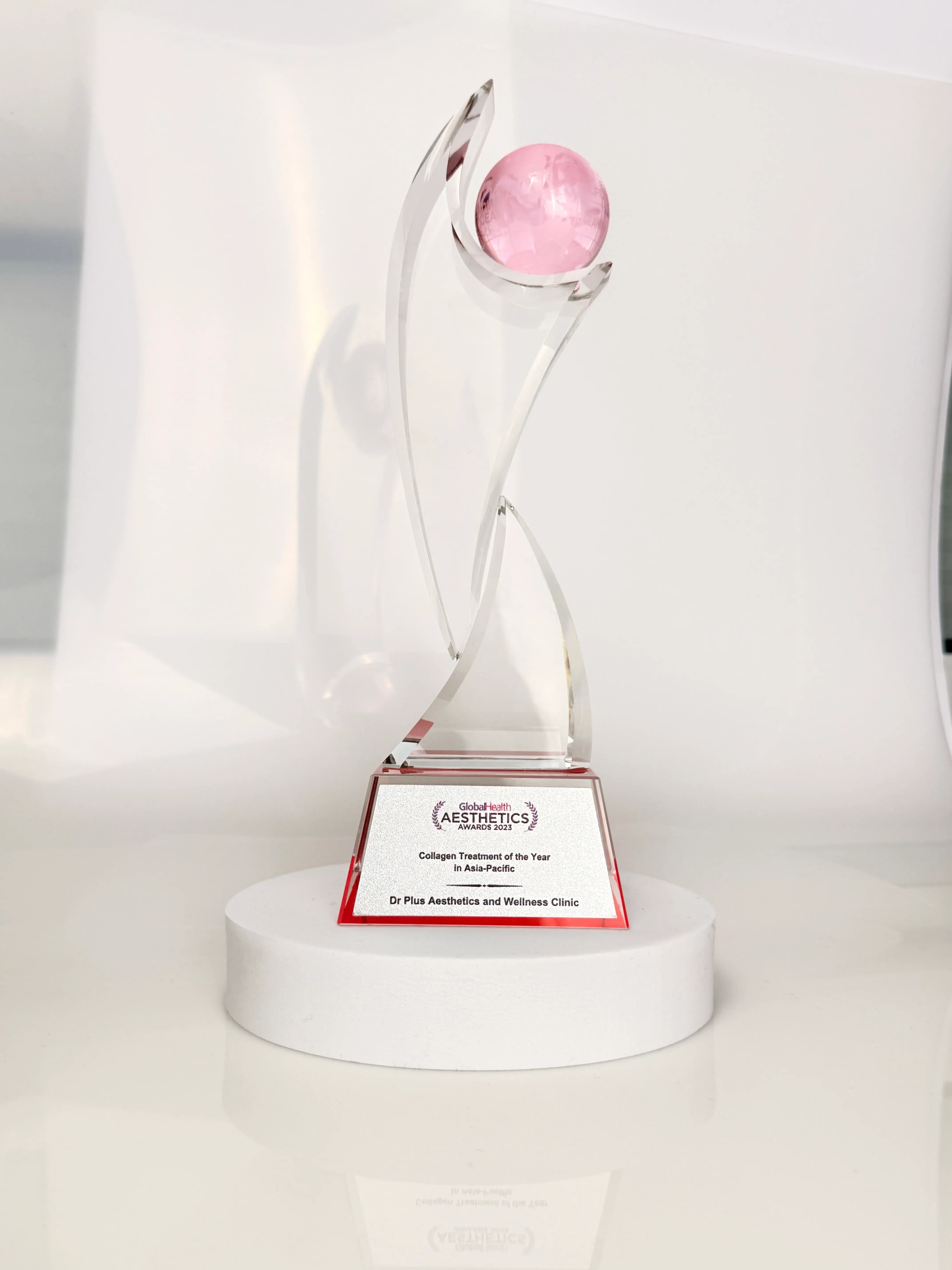
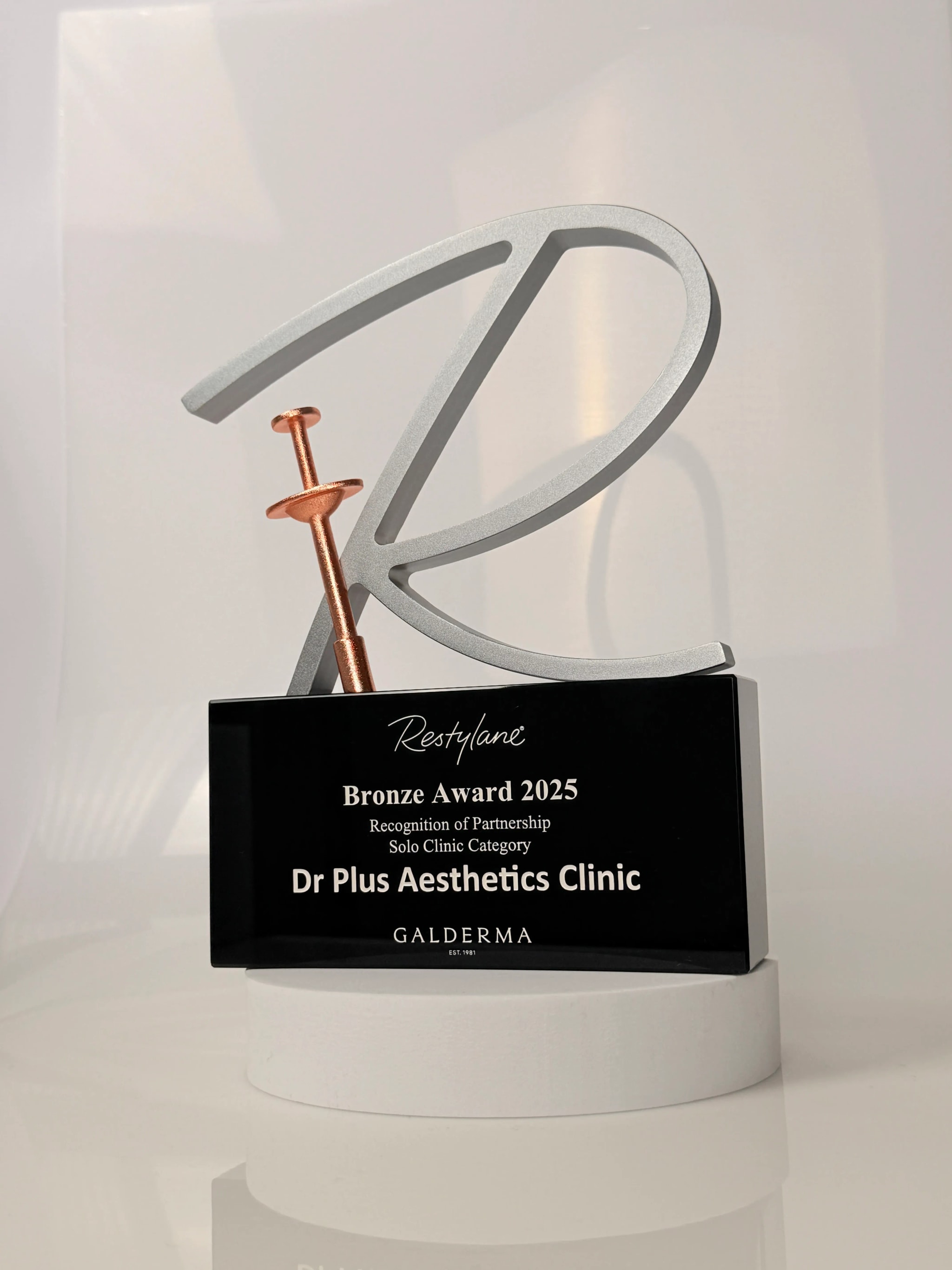
DrPlus and Dr Kenneth Lee have received regional and international recognition across aesthetic medicine, collagen treatment, and clinic partnership categories.

Aesthetician of the Year
Health & Wellness Awards, 2025
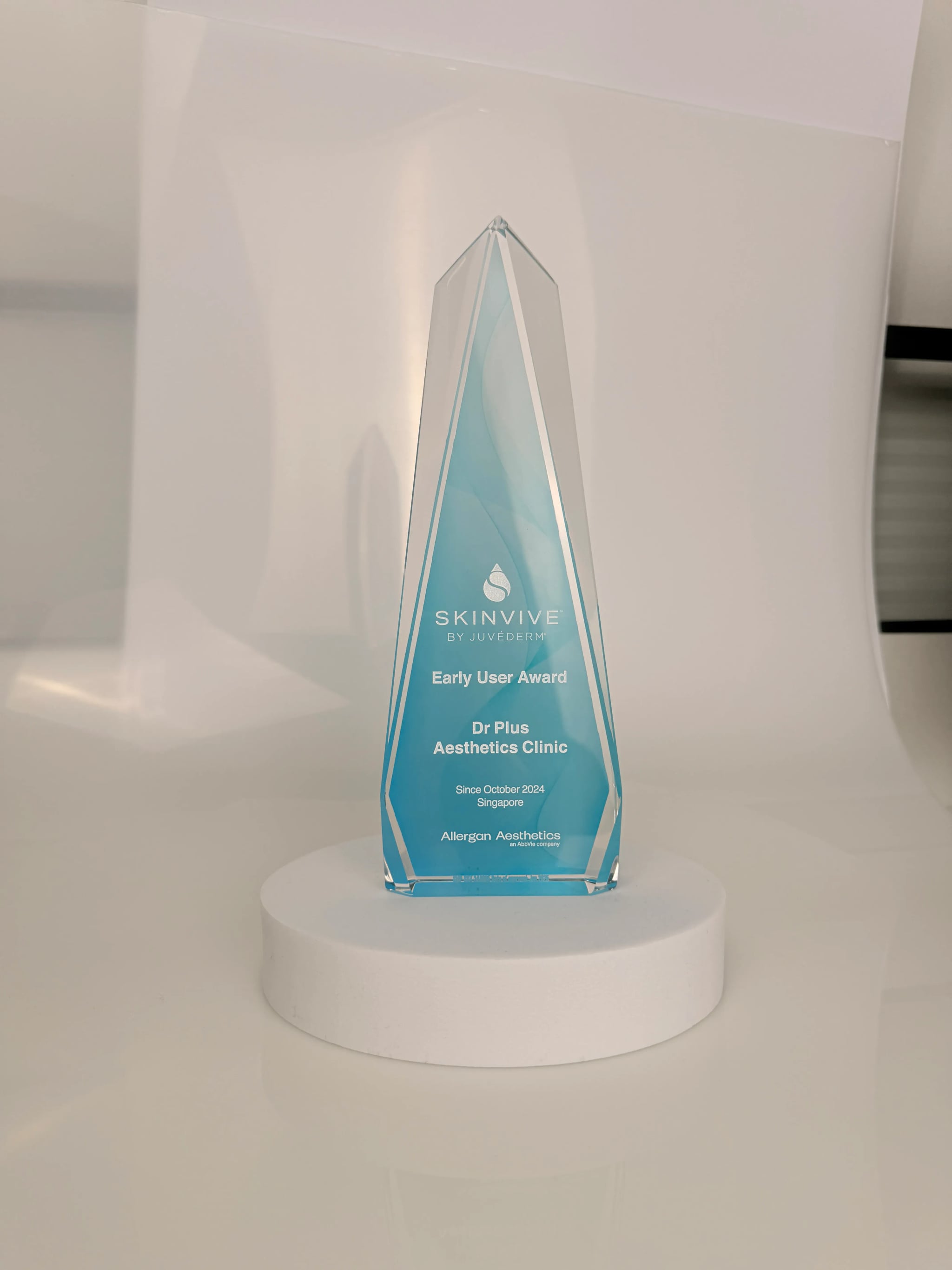
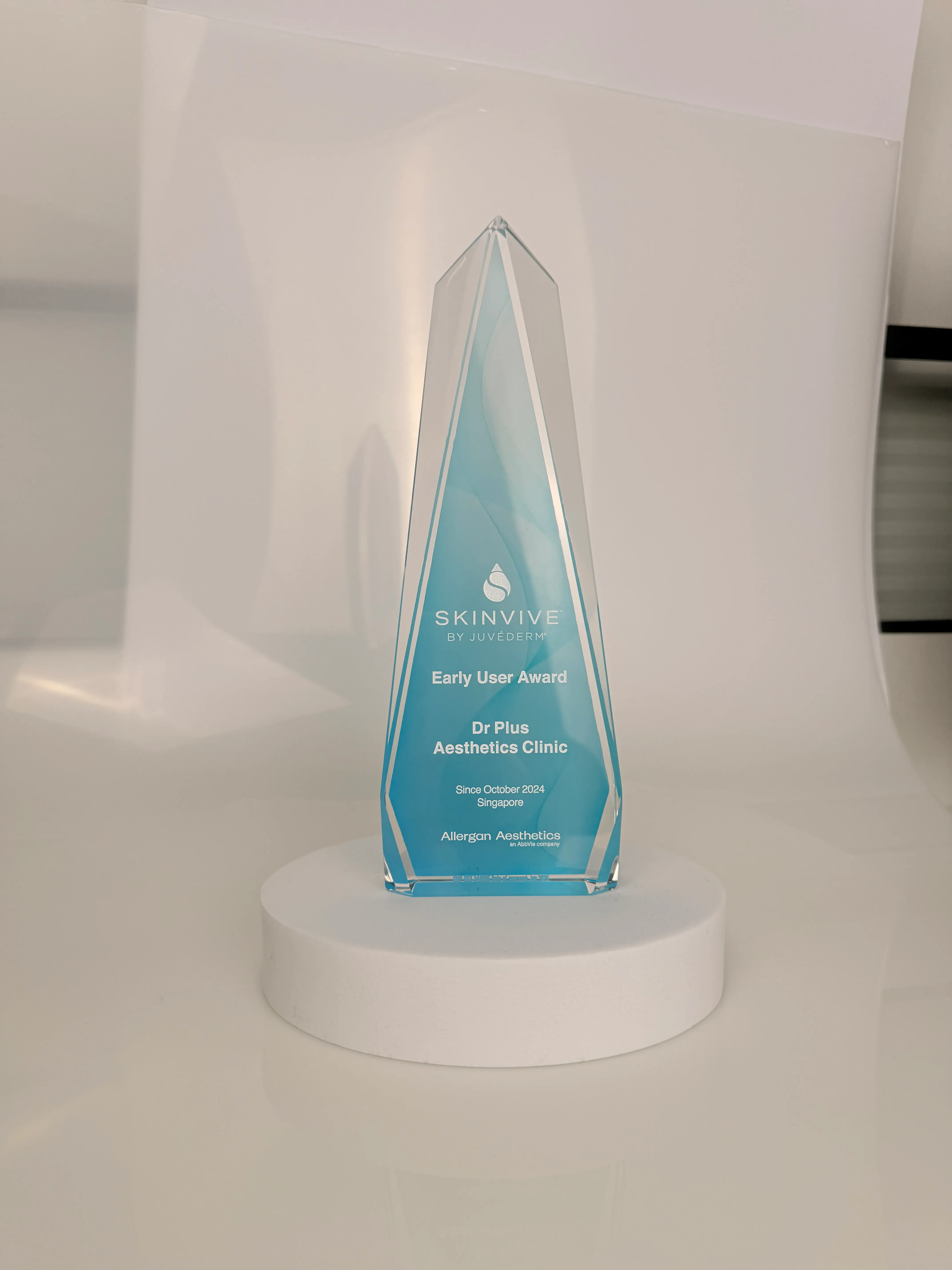
Skinvive Early User Award
Juvéderm / Allergan Aesthetics

Collagen Treatment of the Year
Asia-Pacific
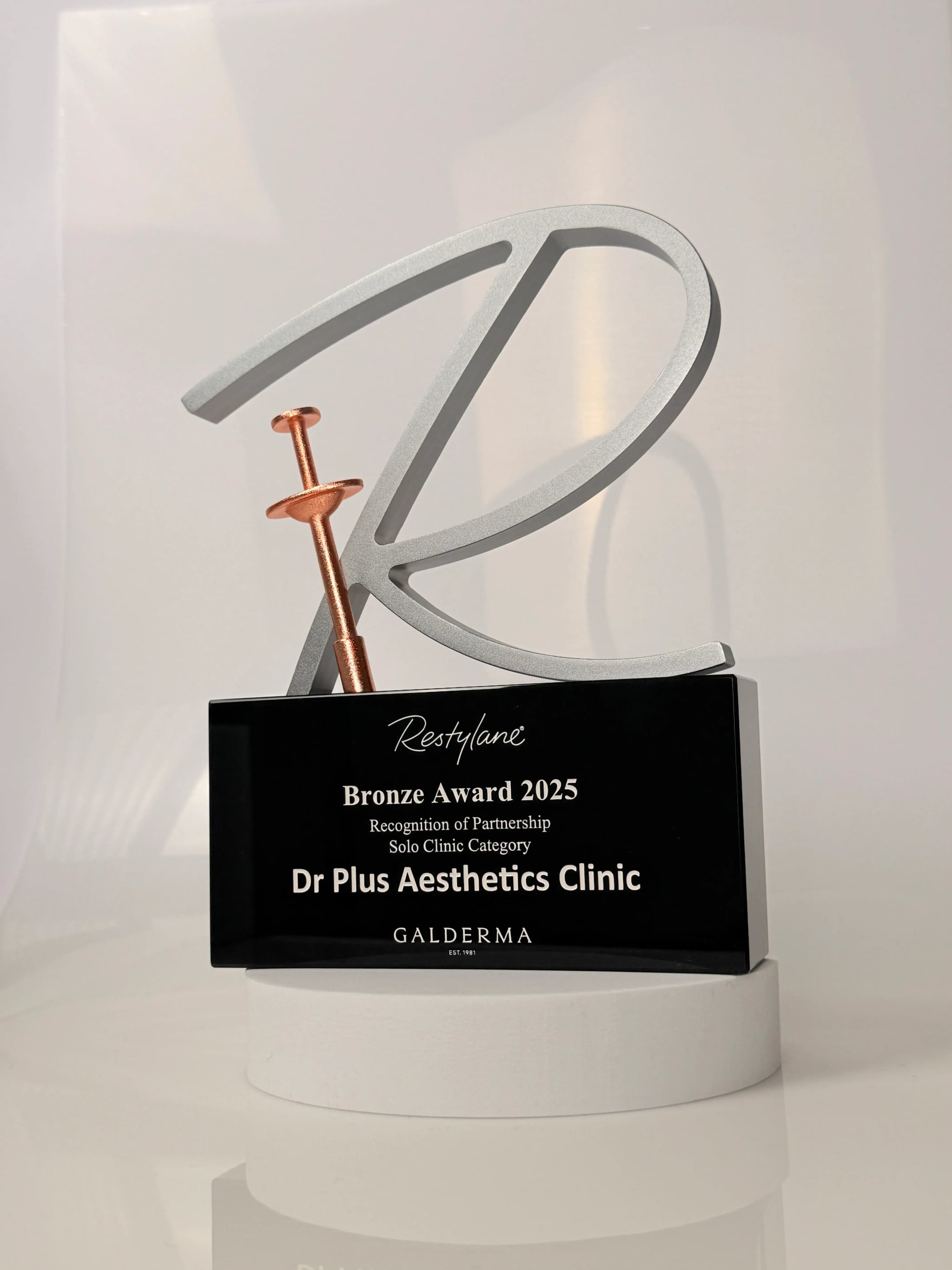
Restylane Bronze Award
Galderma, 2025
— FAQ
Pigmentation treatment FAQ
Melasma is often linked to hormones, sun exposure, and genetics. It can be managed but may recur without ongoing protection and maintenance.
It depends on the pigment type and depth. Pico laser targets deeper, stubborn pigment such as melasma and sun spots, while chemical peels work on superficial pigment, post-acne marks, and overall dullness. Many plans combine both — laser for the pigment itself, peels for surface clarity. Your doctor confirms the sequence after examining your skin.
With appropriate device settings and experienced medical supervision, laser pigmentation treatment can be performed on a range of skin types. Assessment is essential.
Fading is gradual over weeks to months. Some spots darken before they lighten. Your doctor will outline a realistic timeline.
Some pigment types, like sun spots, can clear well and stay away with consistent sun protection. Others — melasma especially — are managed rather than cured and can return with hormones, heat, and UV exposure. Your doctor will tell you honestly which category your pigment falls into and what maintenance would look like.
Certain actives may be paused before and after laser. Your doctor will review your routine and adjust for safety.
Costs vary widely because pigmentation treatment is a plan, not a single procedure — the price depends on your pigment type, whether laser, peels, or a combination is used, and how many sessions your skin realistically needs. We do not publish prices; after your doctor has diagnosed your pigment you receive a personalised, written quote with no obligation to proceed. WhatsApp us a photo and we can usually explain what your plan would involve within minutes.
Yes — many of our pigmentation patients travel from Singapore. Our Johor Bahru clinic in Iskandar Puteri is roughly 20–30 minutes from the Tuas Second Link, and pico laser is also available at our Singapore clinics in Tanjong Pagar and East Coast. Your doctor will advise where your plan is best carried out after diagnosis.
— Skin Education
Related Skin Education
Doctor-led guides written to help you understand your options before consultation. Each article links back to the relevant treatment pages.
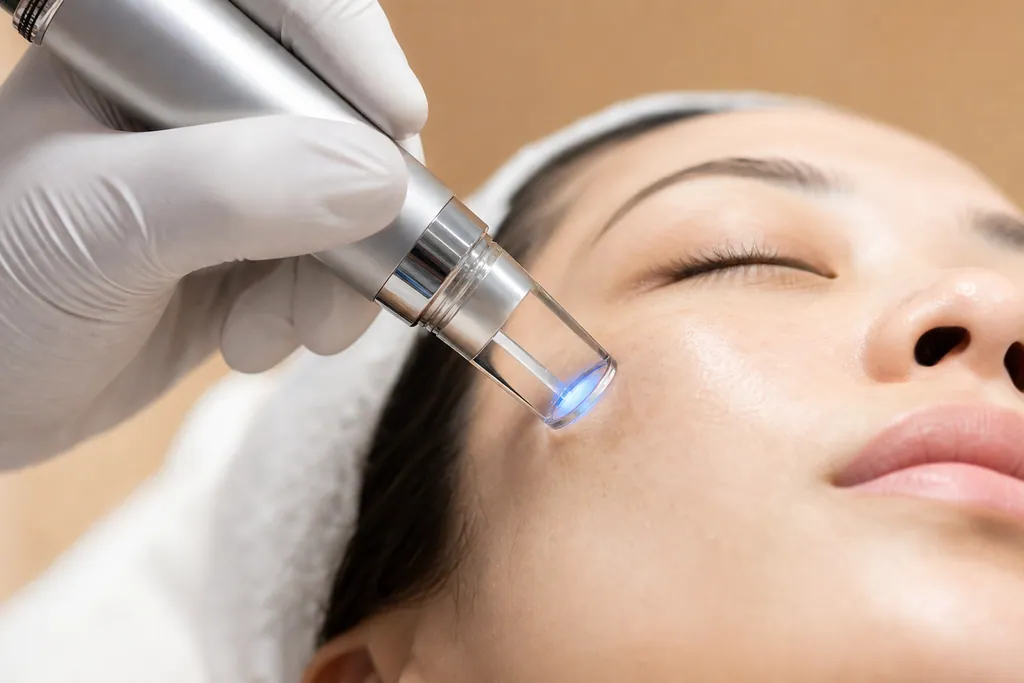 Pigmentation
Pico Laser Treatment for Pigmentation: What It Does and Who It May Suit
Pico laser is one of the most discussed pigment treatments — and one of the most over-promised. Here is how to think about it.
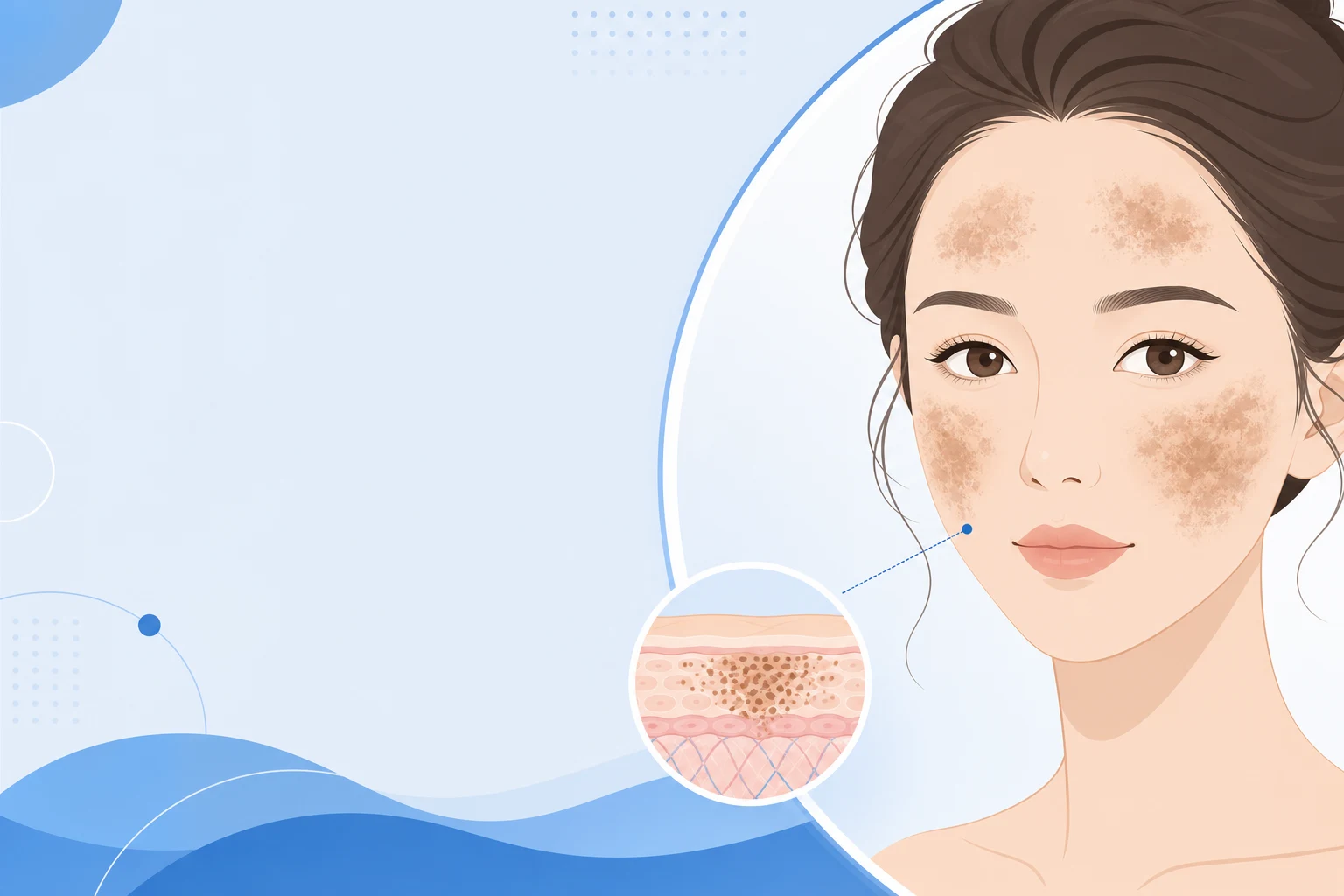 Melasma
Melasma Treatment in Singapore & Johor Bahru: A Doctor's Guide
Melasma is the most misunderstood pigmentation of all — and the easiest to make worse. Here is how it is actually treated, and why patience beats power.
 Pigmentation
Pico Laser for Melasma: A Cautious, Doctor-Led View
Melasma is the trickiest pigment to treat. Here is a careful, doctor-led view of where pico laser fits — and where it doesn't.
Chemical Peels for Pigmentation: What Responds — and What Needs Care
Peels can fade some pigmentation beautifully and make other kinds worse. The difference is the pigment type — which is why assessment comes before acid.
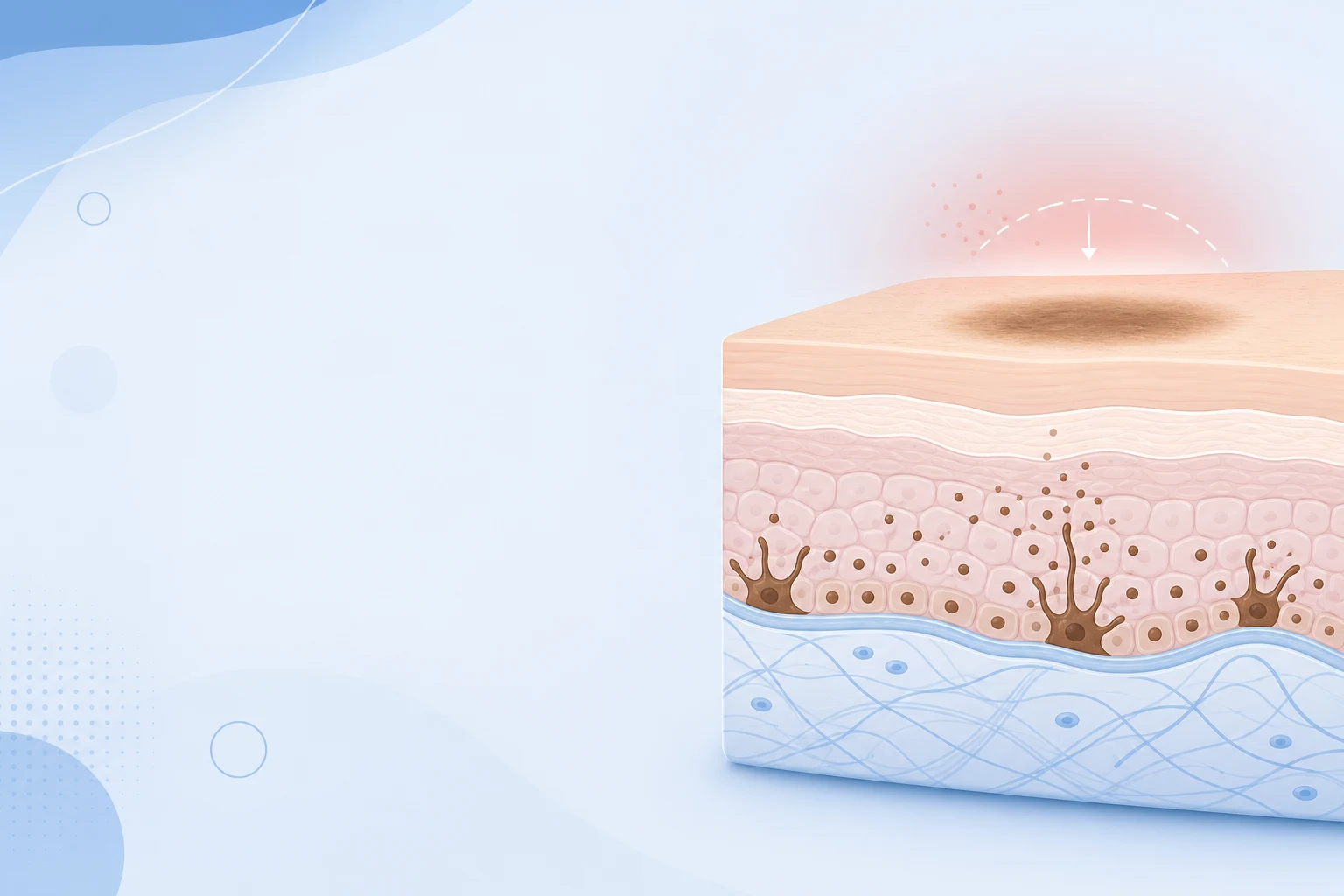 Pigmentation
Post-Inflammatory Hyperpigmentation (PIH): Treatment Guide
Those brown marks left after a spot heals are PIH — a pigment problem, not a scar. The good news: it fades, and the right care speeds it up.
 Pigmentation
Pigmentation Aftercare: Keeping Your Results
Clearing pigment is only half the job. Keeping it clear is the other half — and it comes down to a few disciplined habits.
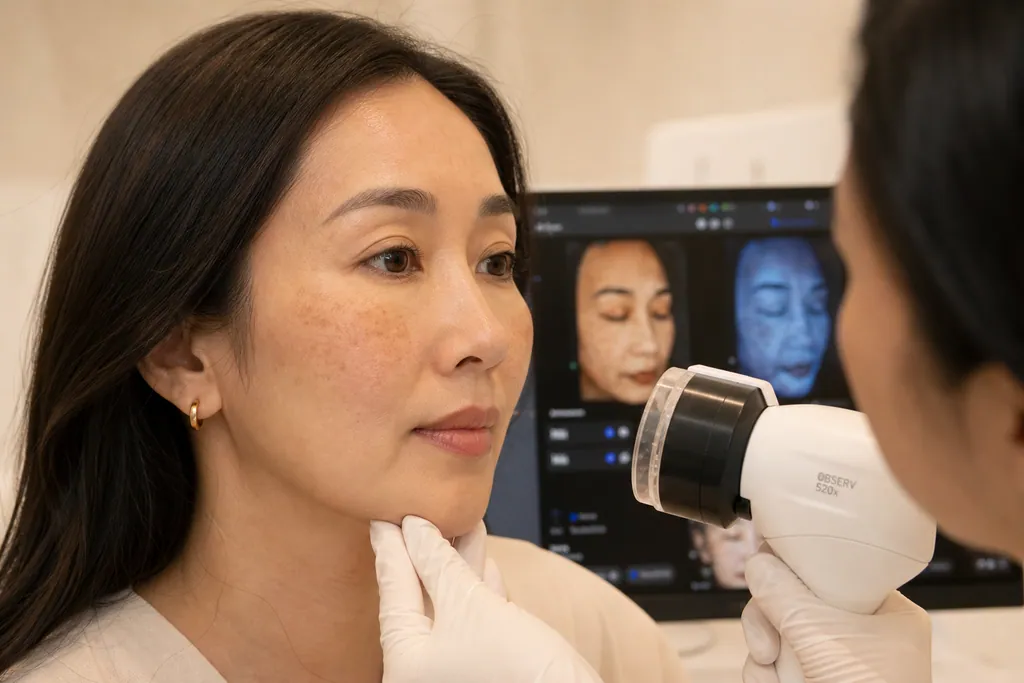 Pigmentation
Pigmentation Treatment in Johor Bahru: What Options Are Available?
Not all pigmentation is the same. Assessment before treatment is the difference between gradual improvement and accidental worsening.
The quiet trust of those we care for.
The most considered medical experience I have had. Results that feel like myself, only quieter.
Dr Kenneth's restraint is rare. I trust him completely with the long-term care of my skin.
Everything about the clinic — the light, the silence, the precision — feels deliberate.
— Request a Consultation
Begin with a pigmentation assessment
Diagnosis first — your doctor will identify pigment type and recommend a personalised plan with realistic expectations.
- Doctor-led assessment and recommendations
- Reviewed personally — not auto-routed
- Discreet handling of sensitive concerns
- Reply typically within one business day
A QUICKER SCROLL
Clinic life, in short clips
Take a breather from the detail — swipe through Facebook and TikTok moments from DrPlus, then continue when you're ready to book.