
DrPlus Skin Education · Acne Scars
Can Genetics Cause Acne Scarring?
Some people scar more easily than others, and genetics plays a part. But predisposition is not destiny — here is what that means.
On this page
- Quick answer
- Can acne scarring be genetic?
- Why some people scar more easily
- Inflammation response
- Collagen repair differences
- Skin type and pigmentation tendency
- Family history and acne severity
- Genetics vs acne control
- What you can still do to reduce scar risk
- Treatment planning for different skin responses
Quick answer
Genetics can influence acne scarring, but it is one factor among several. Inherited tendencies affect how intensely your skin inflames and how it rebuilds collagen during healing — both of which influence whether a scar forms.
However, predisposition is not destiny. Controlling active acne early, avoiding picking, and getting timely treatment all reduce scar risk regardless of family history. A doctor assessment helps tailor care to how your skin actually behaves.
Can acne scarring be genetic?
There is reasonable evidence that a tendency toward acne — and toward scarring — can run in families. If close relatives had severe or cystic acne, or visible acne scarring, your own risk may be higher.
What is inherited is not a 'scar gene' but a collection of tendencies: how readily the skin inflames, how the immune system responds, and how collagen is repaired. Together these shape how likely acne is to leave lasting change.
Why some people scar more easily
Two people with similar acne can heal very differently. Some skin resolves inflammation quickly and rebuilds collagen evenly; other skin inflames more intensely or repairs less tidily, leaving a depression or raised scar.
These differences are partly inherited and partly influenced by acne severity, lesion depth, and behaviours like picking. The result is that scarring risk is individual — which is why personalised assessment matters more than general rules.
Mechanism
Inflammation strength
How intensely and how long the skin inflames affects how much collagen is damaged.
Mechanism
Collagen repair
Differences in how evenly collagen is rebuilt influence whether a depression remains.
Mechanism
Skin tendencies
Pigmentation and healing tendencies, partly inherited, shape both risk and treatment choices.
Inflammation response
A key driver of scarring is the inflammatory response. Skin that mounts a stronger, more prolonged inflammatory reaction to acne tends to sustain more collagen damage in the dermis.
Inflammatory tendencies are influenced by genetics, but also by how acne is managed. Calming inflammation early — through appropriate acne treatment — reduces the cumulative damage, whatever your baseline tendency.
Collagen repair differences
Healing is a remodelling process, and how efficiently collagen is rebuilt varies between people. Where repair is uneven, the surface may end up lower (atrophic) or, less often, raised (hypertrophic).
This is why the same treatment can produce different results in different people. Treatment plans account for how your skin responds, adjusting over a course rather than assuming a fixed outcome.
Skin type and pigmentation tendency
Skin tone and pigmentation tendency — both partly genetic — matter a great deal in scar treatment, sometimes more than scar shape. Skin that is prone to post-inflammatory pigmentation needs carefully chosen device settings to avoid triggering dark marks.
This is especially relevant for the diverse skin tones seen in Johor Bahru. A doctor-led plan matches treatment intensity to your skin type to keep treatment both effective and safe.
Family history and acne severity
Family history of severe or cystic acne is worth mentioning at consultation. It can flag a higher likelihood of deep, inflammatory acne — the kind most associated with scarring — and prompt earlier, more proactive acne control.
It is a signal, not a sentence. Plenty of people with a strong family history avoid significant scarring through good acne management, and plenty without one still scar. Individual assessment is what counts.
Genetics vs acne control
It helps to separate what you cannot change from what you can. Your inherited tendencies are fixed, but how actively acne is controlled — and how quickly deep or cystic acne is treated — is firmly within your influence.
In practice, acne control is the strongest lever most people have for reducing new scarring. Genetics sets the backdrop; management often decides the outcome.
What you can still do to reduce scar risk
Whatever your genetic background, a few habits consistently help: treat active acne early rather than waiting, avoid picking and squeezing, protect skin from sun to limit pigmentation, and seek review for persistent or cystic acne.
If scarring has already formed, it can still be assessed and improved. The earlier acne is brought under control, the more you tip the odds in your favour.
Treatment planning for different skin responses
Because skin responds individually, scar treatment is planned around how your skin behaves rather than a fixed protocol. Device choice and settings are matched to your skin tone and pigmentation tendency, and the plan is reviewed as your skin responds.
At DrPlus in Johor Bahru, this means starting with an assessment, setting realistic expectations, and adjusting the plan over a treatment course — collagen-stimulating treatments such as RF microneedling are often part of a measured approach.
— Frequently asked
Common questions
Not necessarily. A family history can raise your risk, but it is not a guarantee. How actively acne is controlled and whether lesions are picked strongly influence whether scarring actually develops.
You cannot change your genetics, but you can influence the outcome by treating active acne early, avoiding picking, protecting against sun, and following a doctor-led plan. These reduce the cumulative damage that leads to scarring.
Skin tone affects pigmentation tendency more than scar shape. Darker skin can be more prone to post-inflammatory pigmentation, which is why device settings are carefully matched to skin type during treatment.
There is no routine clinical test that predicts acne scarring. Assessment relies on examining your skin, acne history, and family history rather than genetic testing.
Scarring is most associated with deep, inflammatory acne. Mild surface acne rarely scars regardless of family history, though individual healing tendencies still vary.
Yes. A genetic tendency to scar does not prevent treatment from helping. Plans are tailored to how your skin responds, with realistic expectations set at consultation in Johor Bahru.
— Related treatments
Continue with the relevant DrPlus treatment pages
Each page goes deeper into mechanism, suitability and recovery — your final plan is confirmed at consultation.
— Continue reading
 Acne Scars
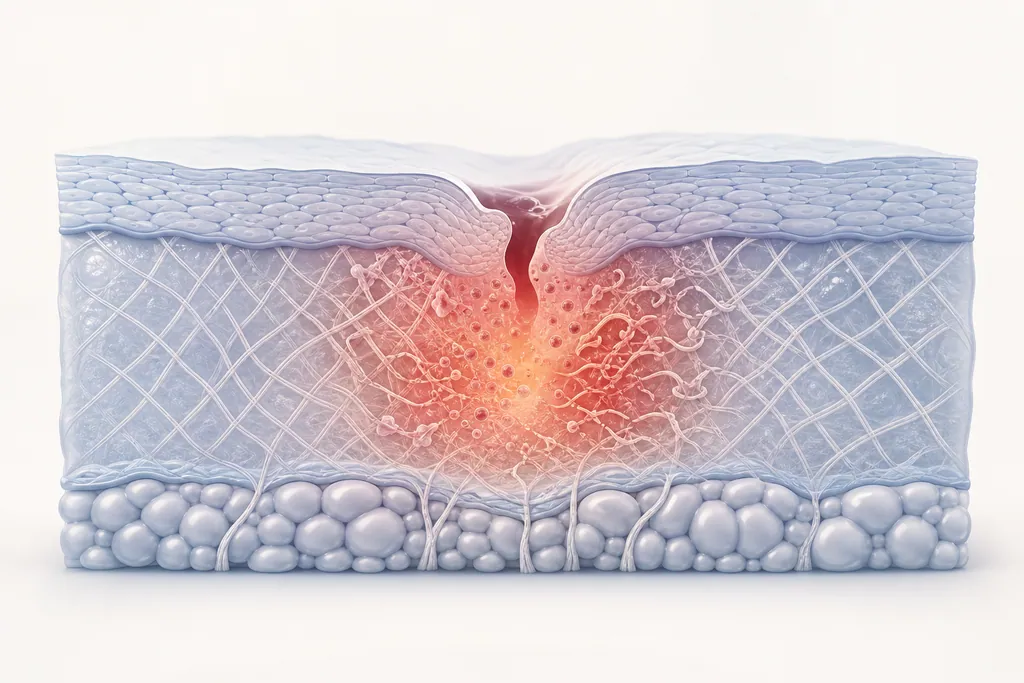
What Causes Acne Scars? The Science Behind Scar Formation
Acne scars are not just leftover marks — they are the result of how the skin healed after inflammation. Here is the science, explained clearly.
 Acne Scars
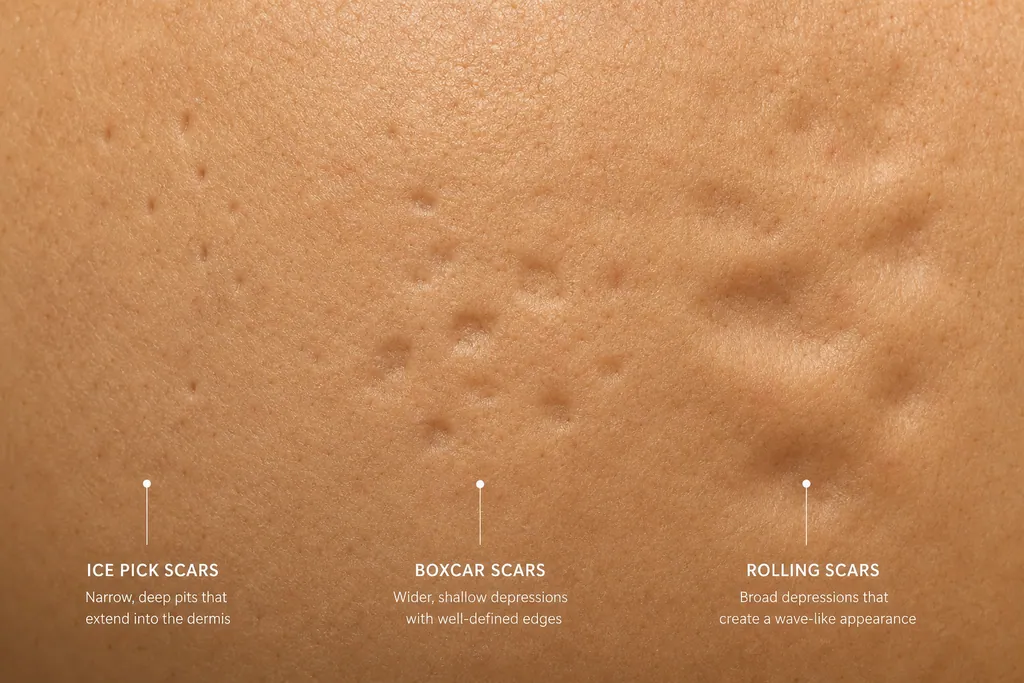
Types of Acne Scars: Ice Pick, Boxcar, Rolling and Pitted Scars
Atrophic acne scars come in distinct shapes — and the shape often determines what treatment may actually help.
 Acne Scars
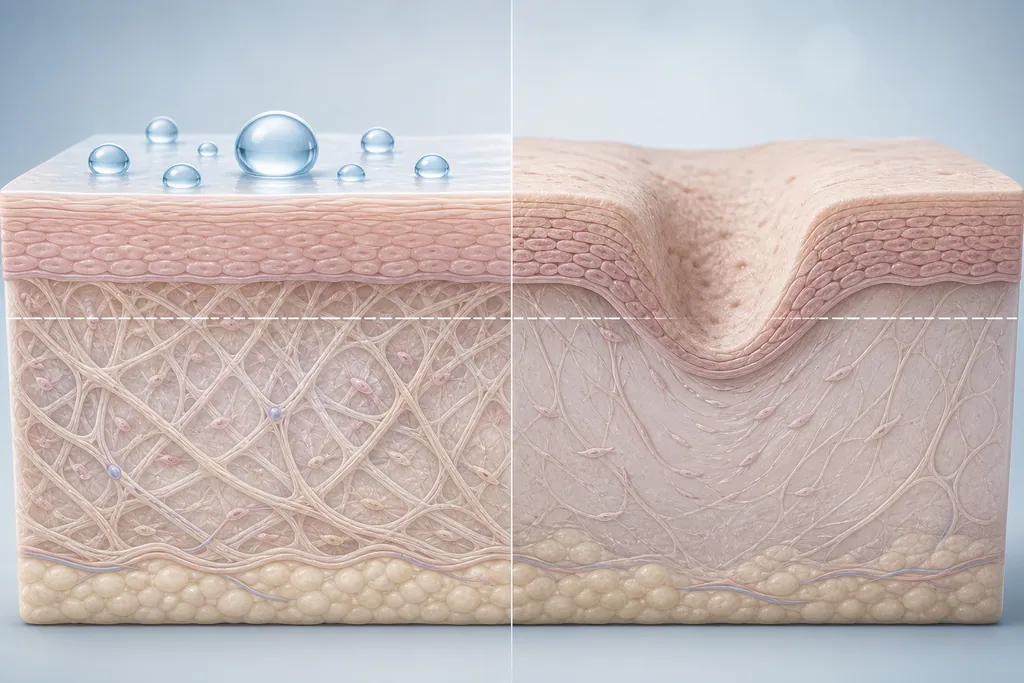
Deep Acne Scars: Why Skincare Can't Fix Them and What Can
Skincare is powerful for marks and skin quality — but deep scars sit in a layer creams cannot reach. Here is the honest explanation, and what actually lifts them.