
DrPlus Skin Education · Acne Scars
What Causes Acne Scars? The Science Behind Scar Formation
Acne scars are not just leftover marks — they are the result of how the skin healed after inflammation. Here is the science, explained clearly.
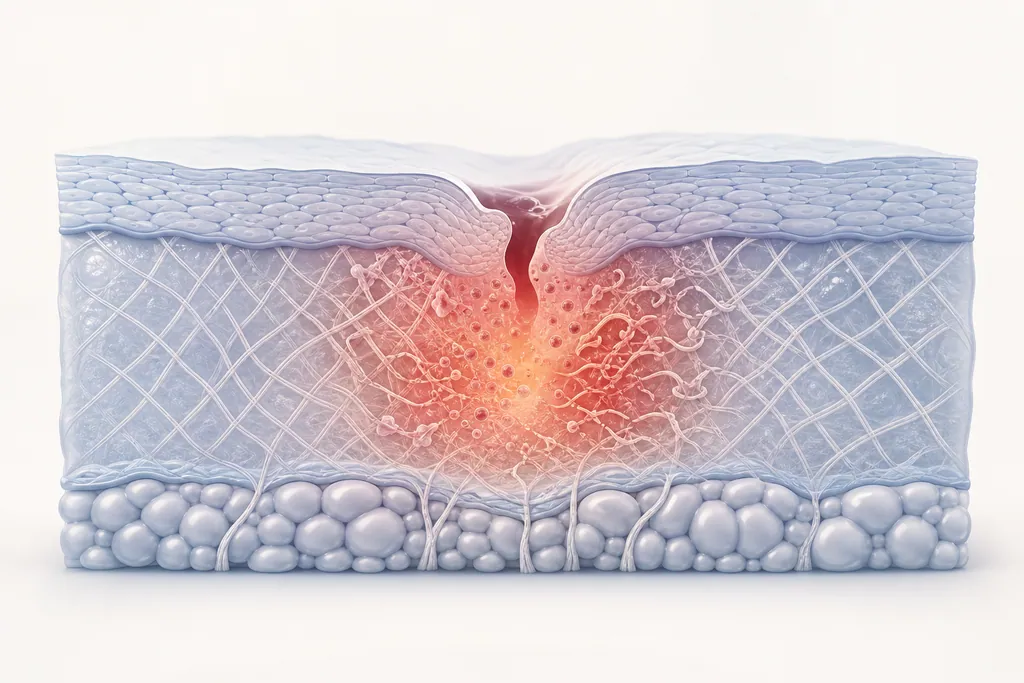
Quick answer
Acne scars are caused by inflammation that damages the deeper layer of the skin (the dermis) during a breakout. As the body repairs that damage, it may lose collagen — leaving a depression — or, less commonly, lay down too much collagen, leaving a raised scar.
The deeper and more inflamed the acne, the more likely it is to scar. This is why early acne control matters, and why scar type should be assessed in person before any treatment plan is built.
What causes acne scars?
An acne lesion begins when a pore becomes blocked with oil and dead skin cells, then colonised by bacteria. The body responds with inflammation — redness, swelling and the immune activity that breaks down the blockage.
That inflammation is necessary for healing, but it is also where the risk lies. When inflammation reaches deep enough to damage the dermis — the structural layer that holds collagen and elastin — the skin has to rebuild tissue rather than simply clear a surface spot.
A scar is what remains when that rebuild is imperfect. Most acne marks fade on their own; a true scar means the underlying structure of the skin has changed, which is why surface skincare alone usually cannot resolve it.
How inflammation damages collagen
Collagen is the protein scaffold that gives skin its firmness and even surface. During an inflammatory breakout, immune cells release enzymes that break down damaged tissue — including healthy collagen caught in the area.
If the breakdown outpaces the skin's ability to rebuild evenly, the surface is left lower than the surrounding skin. The more intense and prolonged the inflammation, the more collagen can be lost, and the deeper the resulting depression tends to be.
Mechanism
Inflammation
Immune activity clears the blockage but can also break down nearby collagen in the dermis.
Mechanism
Collagen loss
When more collagen is destroyed than rebuilt, the skin surface sits lower — an atrophic scar.
Mechanism
Uneven repair
Healing rarely restores the original structure perfectly, which is why the change can persist.
The role of wound healing
An acne scar is essentially a wound-healing outcome. Healing happens in overlapping phases: inflammation, the building of new tissue, and remodelling, where collagen is reorganised over weeks and months.
How each phase plays out is influenced by the depth of the original lesion, how long it stayed inflamed, whether it was picked or squeezed, and individual healing tendencies. Picking or squeezing matters because it pushes inflammation deeper and prolongs it — increasing the chance of a lasting scar.
Because remodelling continues for months, fresh scars can look different a year later. This is one reason doctors often wait until acne has settled before assessing scars for treatment.
Atrophic vs hypertrophic acne scars
Acne scars fall into two broad groups depending on whether collagen was lost or overproduced during healing. The distinction matters because the two are treated in almost opposite ways.
Atrophic scars — depressions where collagen was lost — are by far the most common type after facial acne. Hypertrophic and keloid scars — raised areas of excess collagen — are seen more often on the chest, back and jawline.
— Comparison
Atrophic vs hypertrophic scars — at a glance
| Aspect | Atrophic scars | Hypertrophic / keloid scars |
|---|---|---|
| What happened in healing | Collagen was lost | Too much collagen was produced |
| How they look | Depressions / pits | Raised, firm areas |
| Common locations | Cheeks, temples, face | Chest, back, jawline, shoulders |
| General treatment direction | Stimulate collagen / resurface to lift the depression | Reduce or flatten excess collagen |
What happened in healing
- Atrophic scars
- Collagen was lost
- Hypertrophic / keloid scars
- Too much collagen was produced
How they look
- Atrophic scars
- Depressions / pits
- Hypertrophic / keloid scars
- Raised, firm areas
Common locations
- Atrophic scars
- Cheeks, temples, face
- Hypertrophic / keloid scars
- Chest, back, jawline, shoulders
General treatment direction
- Atrophic scars
- Stimulate collagen / resurface to lift the depression
- Hypertrophic / keloid scars
- Reduce or flatten excess collagen
Why deeper acne is more likely to scar
Surface whiteheads and blackheads sit in the upper skin and rarely scar. Deep, inflammatory lesions — nodules and cysts — reach down into the dermis, where the structural collagen lives.
When inflammation occurs at that depth, there is more tissue to damage and a longer, more disruptive healing process. That combination is why cystic acne carries a much higher scarring risk than mild surface breakouts.
It also explains why two people with similar-looking acne can end up with very different skin: the depth and intensity of inflammation, not just the number of spots, drives scarring.
— Where treatments reach
Skin layers, in plain English
- Epidermis: Outer protective layer — pigmentation marks and surface texture live here.
- Dermis: Collagen and elastin layer — where atrophic scars are anchored and where most regenerative treatments work.
- Subcutis: Deeper fat / connective layer — beyond the reach of most aesthetic treatments.
A simplified illustration — actual skin layers are more nuanced. Your doctor will explain what is relevant to your case at consultation.
Why early acne control matters
The most effective scar prevention is controlling active acne before it becomes deep and inflammatory. Reducing how often and how intensely the skin is inflamed reduces the cumulative damage to collagen over time.
Avoiding picking and squeezing, getting persistent or cystic acne reviewed early, and following a consistent treatment plan all help. Once scarring has formed it can still be improved, but prevention during the active phase is always the gentler route.
When to consider acne scar treatment
Scar treatment is usually considered once active acne is under control and the skin has had time to settle. Treating scars while breakouts are still flaring can irritate the skin and is not always the right starting point.
If marks or depressions have stayed largely unchanged for several months after acne calmed, that is a reasonable point to seek an assessment. Results vary between individuals, and a doctor will set realistic expectations for your specific scar type.
How DrPlus assesses acne scars in Johor Bahru
At DrPlus in Johor Bahru, an acne scar assessment starts with examining the skin in good lighting to identify which scar types are present and how they are distributed. Most people have a mix, so mapping the dominant pattern guides what is considered first.
The consultation also covers skin tone considerations, whether any active acne should be addressed first, realistic expectations, and likely number of sessions. You do not need to commit to any treatment on the day — a consultation is for understanding your options.
— Pathway
What a scar assessment involves
- 01
Examination
Identify scar types and distribution in good lighting.
- 02
Skin review
Check skin tone considerations and any remaining active acne.
- 03
Discussion
Realistic expectations, suitability and likely number of sessions.
- 04
Plan
A suggested sequence — with time to decide, no pressure on the day.
- 01
Examination
Identify scar types and distribution in good lighting.
- 02
Skin review
Check skin tone considerations and any remaining active acne.
- 03
Discussion
Realistic expectations, suitability and likely number of sessions.
- 04
Plan
A suggested sequence — with time to decide, no pressure on the day.
— Frequently asked
Common questions
True scars involve a structural change to the skin and tend to persist without treatment, though they can often be improved. Flat red or brown marks left after acne are usually pigment changes rather than scars and frequently fade over months.
Scarring depends on the depth and intensity of inflammation, healing tendencies, and whether lesions were picked — not just the number of spots. Individual differences in how skin repairs collagen also play a role.
It can increase the risk. Squeezing pushes inflammation deeper and prolongs it, which raises the chance of collagen damage and a lasting scar. Letting lesions settle or having them treated is gentler on the skin.
It depends on the individual, but treatment is usually considered once active acne is controlled and the skin has settled. A doctor will advise on timing during an assessment in Johor Bahru.
Post-inflammatory marks often fade with time and sun protection. True atrophic or raised scars involve a structural change and generally need treatment to improve — though results vary by scar type.
A mark is a flat change in colour (red or brown) that usually fades. A scar is a change in the skin's structure — a depression or raised area — that tends to persist. Distinguishing the two is part of a doctor assessment.
— Related treatments
Continue with the relevant DrPlus treatment pages
Each page goes deeper into mechanism, suitability and recovery — your final plan is confirmed at consultation.
— Continue reading
 Acne Scars
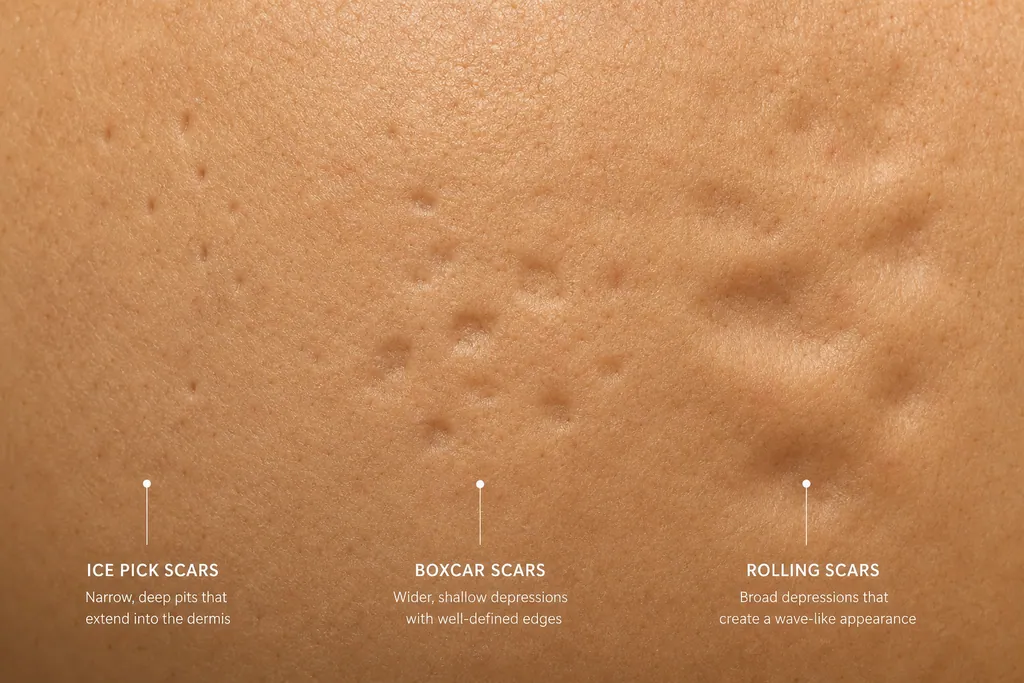
Types of Acne Scars: Ice Pick, Boxcar, Rolling and Pitted Scars
Atrophic acne scars come in distinct shapes — and the shape often determines what treatment may actually help.
 Acne Scars
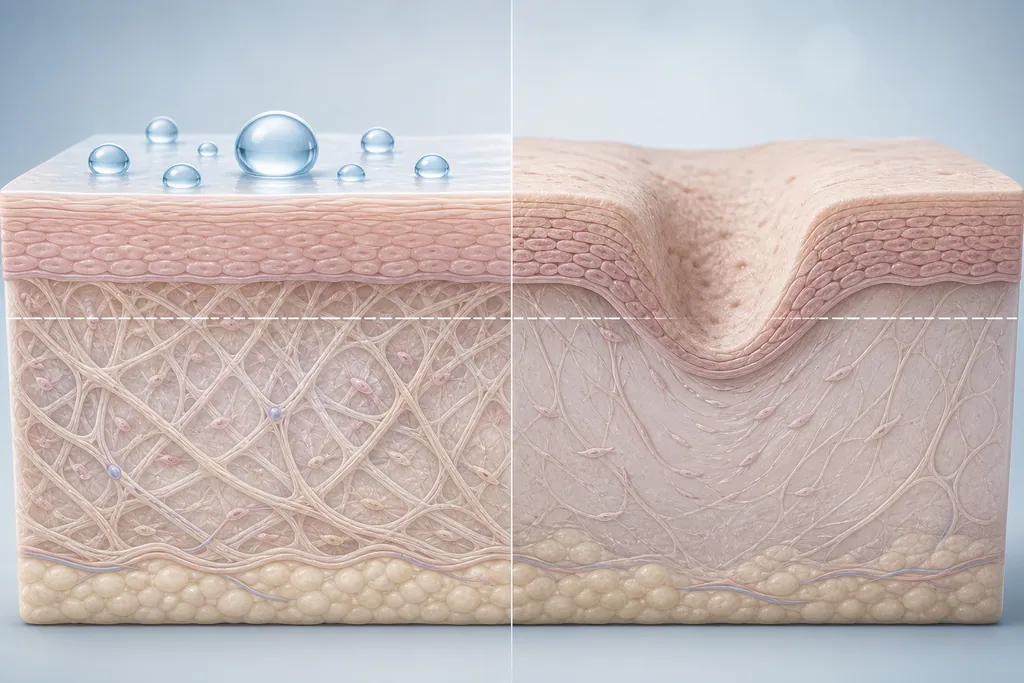
Deep Acne Scars: Why Skincare Can't Fix Them and What Can
Skincare is powerful for marks and skin quality — but deep scars sit in a layer creams cannot reach. Here is the honest explanation, and what actually lifts them.
 Acne Scars
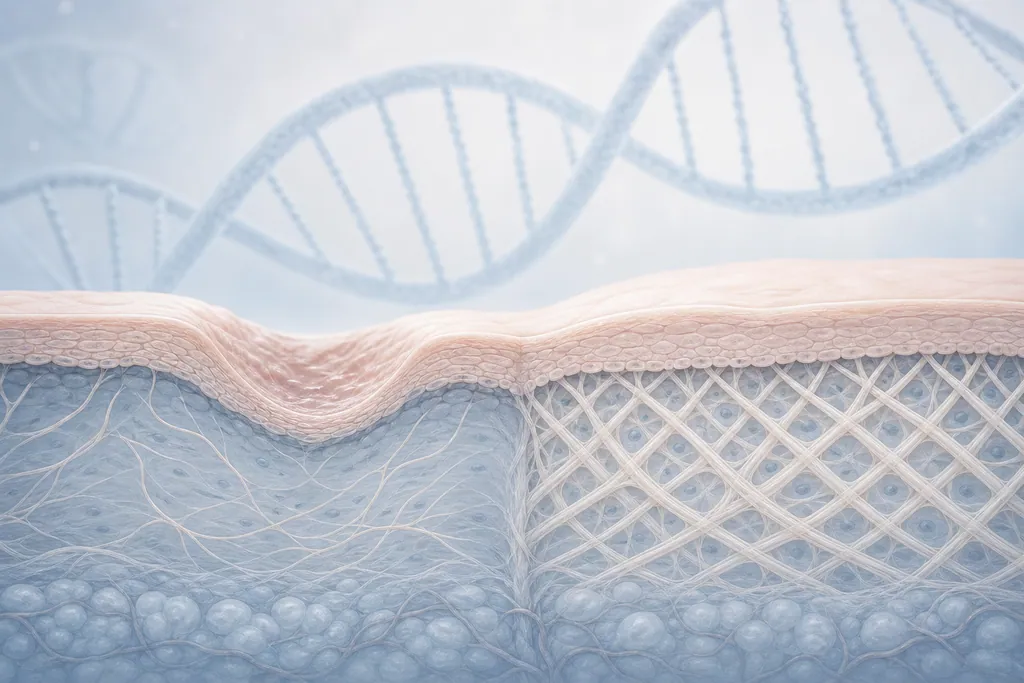
Can Genetics Cause Acne Scarring?
Some people scar more easily than others, and genetics plays a part. But predisposition is not destiny — here is what that means.