
DrPlus Skin Education · Acne Scars
Deep Acne Scars: Why Skincare Can't Fix Them and What Can
Skincare is powerful for marks and skin quality — but deep scars sit in a layer creams cannot reach. Here is the honest explanation, and what actually lifts them.
Quick answer
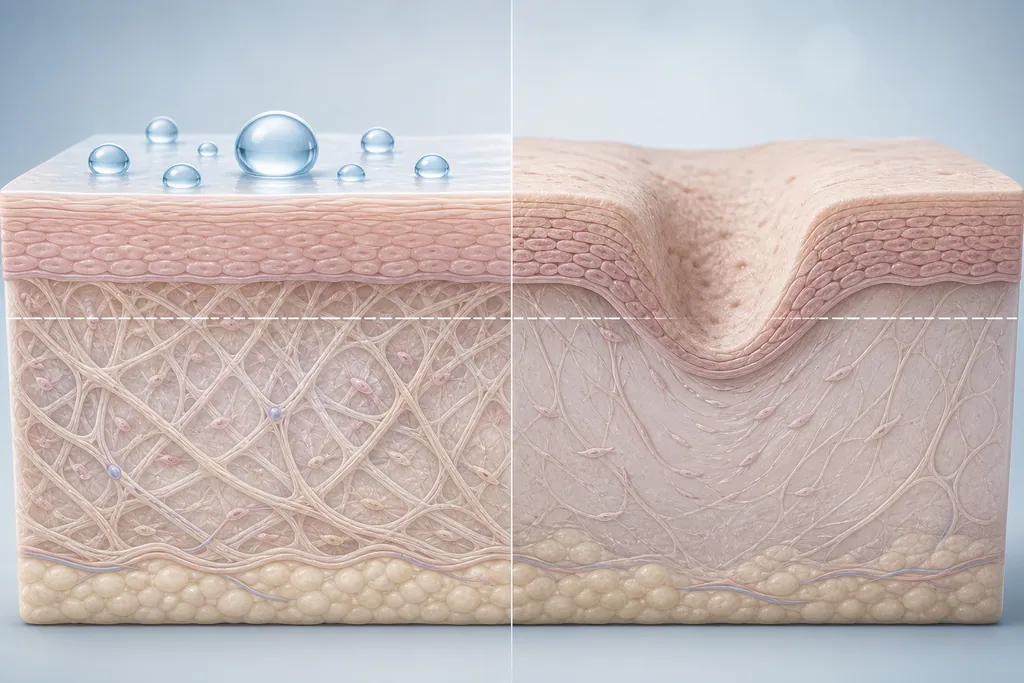
Skincare can fade flat marks left after acne, but it usually cannot remove deep, pitted scars. The reason is depth: marks are pigment changes in the surface skin, while true scars are structural depressions in the dermis — below where creams and serums can act.
Lifting a depressed scar means rebuilding lost collagen in the dermis, which topical products cannot do on their own. Skincare remains valuable for skin quality and protecting results, but deep scars generally need clinical treatment, confirmed by a doctor assessment.
Can skincare remove acne scars?
It depends entirely on what you are calling a 'scar'. The word is often used for two very different things: flat marks left after a spot, and depressions where the skin's structure has changed.
For flat marks, well-chosen skincare can make a real difference. For true depressions, skincare can improve the surrounding skin but cannot lift the scar itself. Separating the two is the first step to realistic expectations.
Marks vs true scars
Post-inflammatory marks are colour changes — red, pink, or brown — left after acne calms. They are flat: you cannot feel them as a dip or bump. These often fade over months, and skincare plus sun protection can speed that along.
True scars involve a structural change to the skin. Atrophic scars are depressions; raised scars are firm bumps. You can usually feel the texture change. These do not simply fade, because the underlying tissue has changed.
— Comparison
Marks vs scars — what skincare can do
| Aspect | Post-inflammatory marks | True (structural) scars |
|---|---|---|
| What it is | Pigment / colour change | Change in skin structure |
| Can you feel it? | No — flat | Yes — a dip or raised area |
| Skincare's role | Can help it fade | Supportive only — cannot lift it |
| Usual outcome | Often fades over months | Needs clinical treatment to improve |
What it is
- Post-inflammatory marks
- Pigment / colour change
- True (structural) scars
- Change in skin structure
Can you feel it?
- Post-inflammatory marks
- No — flat
- True (structural) scars
- Yes — a dip or raised area
Skincare's role
- Post-inflammatory marks
- Can help it fade
- True (structural) scars
- Supportive only — cannot lift it
Usual outcome
- Post-inflammatory marks
- Often fades over months
- True (structural) scars
- Needs clinical treatment to improve
Epidermis vs dermis explained simply
Skin has layers. The epidermis is the thin outer layer you can see and touch; the dermis sits beneath it and holds the collagen scaffolding that keeps skin firm and even.
Most skincare acts on or just below the epidermis. Ingredients can improve tone, texture and the surface, but they do not meaningfully rebuild deep collagen. Pitted scars live in the dermis — which is exactly why surface products cannot lift them.
— Where treatments reach
Skin layers, in plain English
- Epidermis: Outer protective layer — pigmentation marks and surface texture live here.
- Dermis: Collagen and elastin layer — where atrophic scars are anchored and where most regenerative treatments work.
- Subcutis: Deeper fat / connective layer — beyond the reach of most aesthetic treatments.
A simplified illustration — actual skin layers are more nuanced. Your doctor will explain what is relevant to your case at consultation.
Why pitted scars need collagen remodeling
A pitted scar is, at its core, a place where collagen was lost and not replaced evenly. To raise the surface, you have to stimulate the skin to build new collagen in that spot.
Clinical treatments do this in different ways — controlled micro-injury, energy delivered at depth, or releasing tethering bands — all of which trigger the body's own collagen response. Skincare cannot create that depth of stimulus, which is the honest reason it cannot fix the depression.
What skincare can help with
Skincare is far from useless — it simply has a different job. It can help post-inflammatory marks fade, improve overall tone and radiance, support the skin barrier, and keep skin healthy between or after clinical treatments.
Daily sun protection deserves a special mention: it prevents marks from darkening and protects the results of any clinical scar treatment. In that sense, skincare and clinical treatment work best together, not in competition.
What skincare usually cannot fix
Skincare usually cannot lift atrophic depressions (boxcar, rolling, ice pick scars), release tethered rolling scars, or rebuild significant lost collagen. These are structural problems that need a structural solution.
If a product promises to 'erase' deep scars, treat that as a marketing claim rather than a clinical reality. Honest skincare supports your skin; it does not replace treatment for true scars.
When to consider clinical treatment
If you can feel a depression, or marks have stayed unchanged for months despite good skincare, that is a sign the change may be structural and worth a clinical assessment.
Clinical options aim to stimulate collagen and refine texture. Which one suits you depends on scar type, skin tone and goals — assessed in person rather than guessed from a photo.
Treatment option
CO₂ Laser
Best for: Texture & defined-edge scarsFractional resurfacing that stimulates collagen and refines surface texture.
Learn moreTreatment option
RF Microneedling
Best for: Collagen at depth, mixed tonesRadiofrequency delivered into the dermis to rebuild collagen across a range of skin tones.
Learn moreTreatment option
Subcision
Best for: Tethered rolling scarsReleases the fibrous bands that pull rolling scars down from beneath the surface.
Learn moreAcne scar consultation in Johor Bahru
A consultation at DrPlus in Johor Bahru starts by distinguishing marks from true scars, then mapping which scar types are present. From there, your doctor explains which clinical treatments may help and what skincare role makes sense alongside them.
The goal is an honest, realistic plan — including what skincare can and cannot do — with no pressure to proceed on the day.
— Frequently asked
Common questions
Creams can help flat post-inflammatory marks fade and improve overall skin quality, but they cannot lift true depressed scars, which sit in the dermis. Deep scars generally need clinical treatment to improve.
These ingredients can improve tone, texture and marks, and support skin health over time. They do not rebuild the lost collagen that creates a pitted scar, so they cannot remove deep scars on their own.
A useful test: if it is flat and only a colour change, it is likely a mark; if you can feel a dip or raised area, it is likely a structural scar. An in-person assessment confirms which you have.
Yes. Good skincare and daily sun protection improve skin quality and help protect the results of clinical treatment. Skincare and treatment work best together rather than as alternatives.
Many post-inflammatory marks fade gradually over months, especially with sun protection. Skincare can support and speed that, but true scars will not fade on their own because the change is structural.
Daily broad-spectrum sun protection is consistently one of the most useful steps. It prevents marks from darkening and protects the skin during and after any clinical scar treatment.
— Related treatments
Continue with the relevant DrPlus treatment pages
Each page goes deeper into mechanism, suitability and recovery — your final plan is confirmed at consultation.
Primary money page
Acne Scar Treatment Hub
Doctor-led category hub covering the full range of scar treatment pathways at DrPlus.
acne scar treatment in Johor BahruSupporting
CO₂ Laser
Fractional resurfacing that stimulates collagen for atrophic scars and texture.
CO₂ laser for acne scarsSupporting
RF Microneedling
Energy-at-depth collagen stimulation suited to a range of skin tones.
RF microneedling for acne scarsSupporting
Subcision
Releases tethering bands for rolling scars that skincare cannot reach.
subcision for rolling acne scars— Continue reading
Serums and Creams for Acne Scars: Which Ingredients Do Anything — and Where Their Ceiling Is
Retinol, vitamin C, niacinamide, AHAs — the ingredients are real, and so are their limits. This guide sorts what topicals do for post-acne marks from what they cannot do for true scars.
 Acne Scars
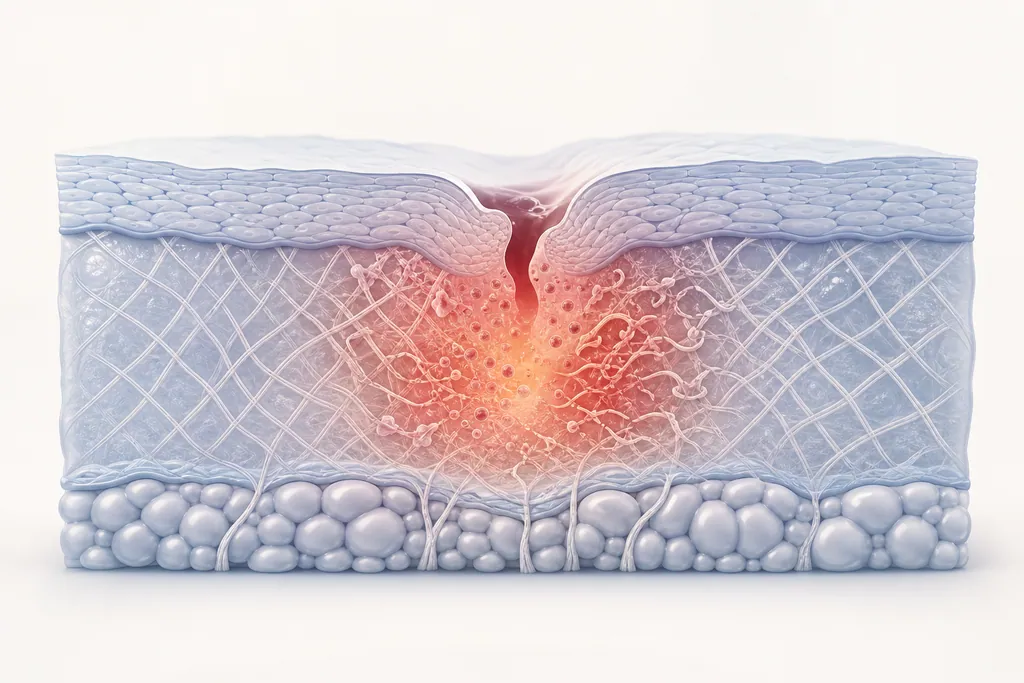
What Causes Acne Scars? The Science Behind Scar Formation
Acne scars are not just leftover marks — they are the result of how the skin healed after inflammation. Here is the science, explained clearly.
 Acne Scars
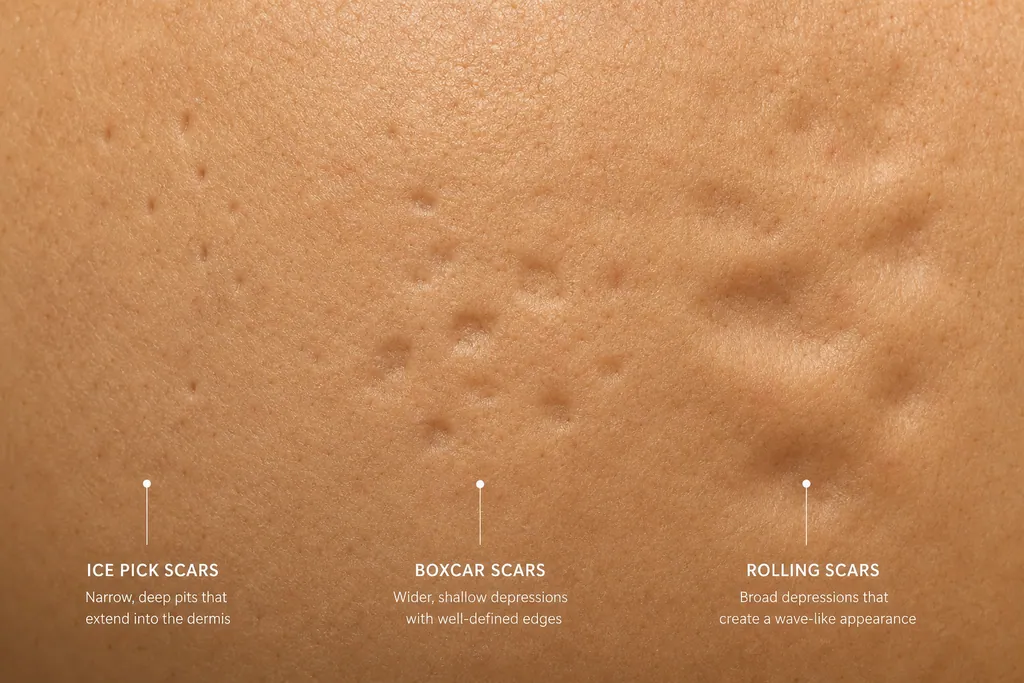
Types of Acne Scars: Ice Pick, Boxcar, Rolling and Pitted Scars
Atrophic acne scars come in distinct shapes — and the shape often determines what treatment may actually help.
 Acne Scars
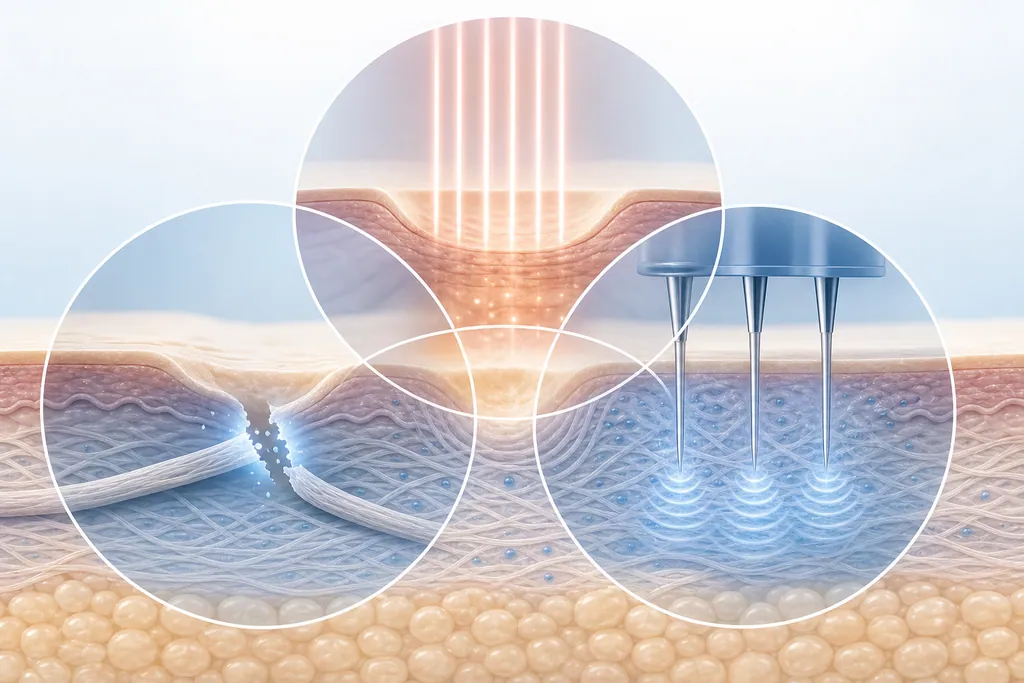
Why Combination Treatment Is Often Needed for Acne Scars
Most people have more than one scar type, and each behaves differently. That is why a single treatment rarely does the whole job.