
DrPlus Skin Education · Acne Scars
Ice Pick Scars: Why They Are Difficult to Treat
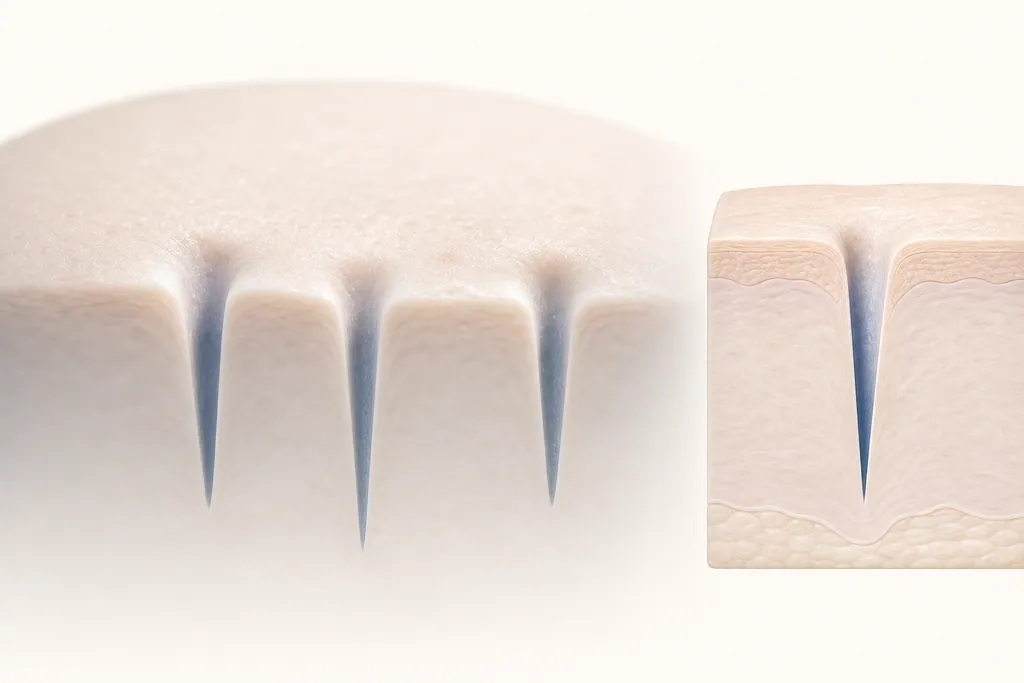
Ice pick scars are narrow and deep — like tiny punctures. Their shape is exactly why broad resurfacing struggles to reach them.
On this page
- Quick answer
- What are ice pick acne scars?
- What ice pick scars look like
- Why ice pick scars are difficult
- Why resurfacing alone may not be enough
- TCA CROSS: the scar-by-scar technique for ice pick scars
- Treatment options for ice pick scars
- Why multiple sessions may be needed
- What improvement usually means
- Doctor consultation and treatment planning
Quick answer
Ice pick scars are narrow, deep acne scars that extend down into the skin like a tiny puncture. Their narrow opening and depth are exactly what makes them difficult: broad surface resurfacing cannot easily reach the bottom of the channel.
Treatment usually relies on targeted, depth-first techniques rather than surface-only resurfacing, often across multiple sessions. Realistic improvement means softening the appearance — a doctor assessment in Johor Bahru is the best way to plan it.
What are ice pick acne scars?
Ice pick scars are a type of atrophic acne scar characterised by a narrow opening at the surface that tapers down into a deep, V-shaped channel. They are named for their resemblance to a mark left by a small, sharp tool.
They commonly form after deep, inflammatory acne — particularly cystic acne — and are most often seen on the cheeks. Because the scar is deep relative to its width, it behaves very differently from a wide boxcar scar.
What ice pick scars look like
Ice pick scars appear as small, deep pits — often described as looking like enlarged or punctured pores. The surface opening can be tiny, which sometimes leads people to mistake them for large pores.
Under angled light they cast small, sharp shadows. Because they are deep and narrow, they tend to be one of the more visually persistent scar types.
Why ice pick scars are difficult
The challenge with ice pick scars is geometry. The channel is deep but the opening is narrow, so treatments that work across the surface — like broad resurfacing — cannot easily deliver energy to the full depth of the scar.
Treating only the surface can smooth the top while leaving the deep channel largely intact. Effective approaches need to address the depth of the scar, not just its opening.
— Where treatments reach
Skin layers, in plain English
- Epidermis: Outer protective layer — pigmentation marks and surface texture live here.
- Dermis: Collagen and elastin layer — where atrophic scars are anchored and where most regenerative treatments work.
- Subcutis: Deeper fat / connective layer — beyond the reach of most aesthetic treatments.
A simplified illustration — actual skin layers are more nuanced. Your doctor will explain what is relevant to your case at consultation.
Why resurfacing alone may not be enough
Fractional resurfacing lasers improve overall texture and can soften many scar types, but on a deep, narrow ice pick scar they often cannot reach the base of the channel.
This is why ice pick scars are frequently treated with targeted techniques that work scar-by-scar, sometimes combined with resurfacing to refine the surrounding skin. The combination is chosen at assessment based on how deep and how numerous the scars are.
TCA CROSS: the scar-by-scar technique for ice pick scars
The targeted technique most associated with ice pick scars is TCA CROSS — Chemical Reconstruction Of Skin Scars. A doctor applies a high-concentration drop of trichloroacetic acid precisely into the base of each individual scar channel, using a fine applicator, while sparing the surrounding skin entirely.
The controlled injury at the base of the channel triggers new collagen exactly where the deficit is, and over a series of sessions the channel gradually becomes shallower and its opening softer. Because the acid goes only where the scar is, the technique works for the geometry that defeats broad resurfacing — and it is genuinely operator-dependent, which is why concentration, depth and patient selection belong with a doctor.
TCA CROSS is commonly sequenced with fractional resurfacing: CROSS addresses the deep channels scar by scar, then laser refines the surrounding texture once the channels have remodelled.
Treatment options for ice pick scars
Treatment is usually a combination of depth-focused techniques and supportive surface work. Your doctor will explain which approaches suit the depth and number of your scars, and how they would be sequenced.
Suitability depends on skin tone, scar depth and other concerns — there is no single approach that suits every ice pick scar.
Treatment option
CO₂ Laser
Best for: Surrounding texture & shallower scarsFractional resurfacing to refine surrounding skin and soften shallower scars, often alongside targeted techniques.
Learn moreTreatment option
Chemical Peel
Best for: Surface tone & supportControlled exfoliation that can support surface evenness and post-inflammatory marks as part of a plan.
Learn moreWhy multiple sessions may be needed
Deep scars rarely change in a single visit. Because the skin remodels collagen gradually over months, ice pick scar treatment is usually planned as a series spaced over time.
Each session builds on the last, and progress is reviewed along the way so the plan can be adjusted. Patience is genuinely part of the process with this scar type.
What improvement usually means
For ice pick scars, a realistic goal is softening the appearance — making the channel shallower or less defined and improving the surrounding texture — rather than complete removal.
Many people find meaningful cosmetic improvement makes scars far less noticeable in everyday light. Being clear about what 'improvement' means upfront helps set expectations that treatment can actually meet.
Doctor consultation and treatment planning
Because ice pick scars are challenging, planning matters. A consultation at DrPlus in Johor Bahru assesses how deep and how numerous your scars are, your skin tone, and whether combining techniques is appropriate.
You will get an honest picture of what is realistic and how many sessions might be involved — with time to decide and no pressure to proceed on the day.
— Frequently asked
Common questions
Complete removal is generally not a realistic goal. Treatment aims to soften and reduce the appearance of ice pick scars so they are less noticeable. Results vary, and a doctor will set honest expectations at consultation.
Their narrow opening and significant depth make it difficult for broad surface treatments to reach the base of the scar. Depth-focused, targeted approaches are usually needed rather than resurfacing alone.
Laser can refine surrounding texture and help shallower scars, but on deep, narrow ice pick scars it often cannot reach the base. It is frequently combined with targeted techniques rather than used alone.
Usually several, spaced over months, because collagen remodels gradually. The exact number depends on scar depth and how your skin responds — your doctor will share a realistic range at consultation.
They can look similar because both create small openings, but ice pick scars are deep channels from healed acne, while pores are normal skin structures. An in-person assessment distinguishes the two.
Often yes — combination plans usually refine the surrounding skin as well as the scars themselves, which can improve overall texture even when individual deep scars only soften gradually.
— Related treatments
Continue with the relevant DrPlus treatment pages
Each page goes deeper into mechanism, suitability and recovery — your final plan is confirmed at consultation.
— Continue reading
TCA CROSS for Ice Pick Acne Scars: How It Works
Deep, narrow ice pick scars defeat broad resurfacing because the energy cannot reach the bottom of the channel. TCA CROSS solves this with a completely different idea: rebuild from the base, one scar at a time.
 Acne Scars
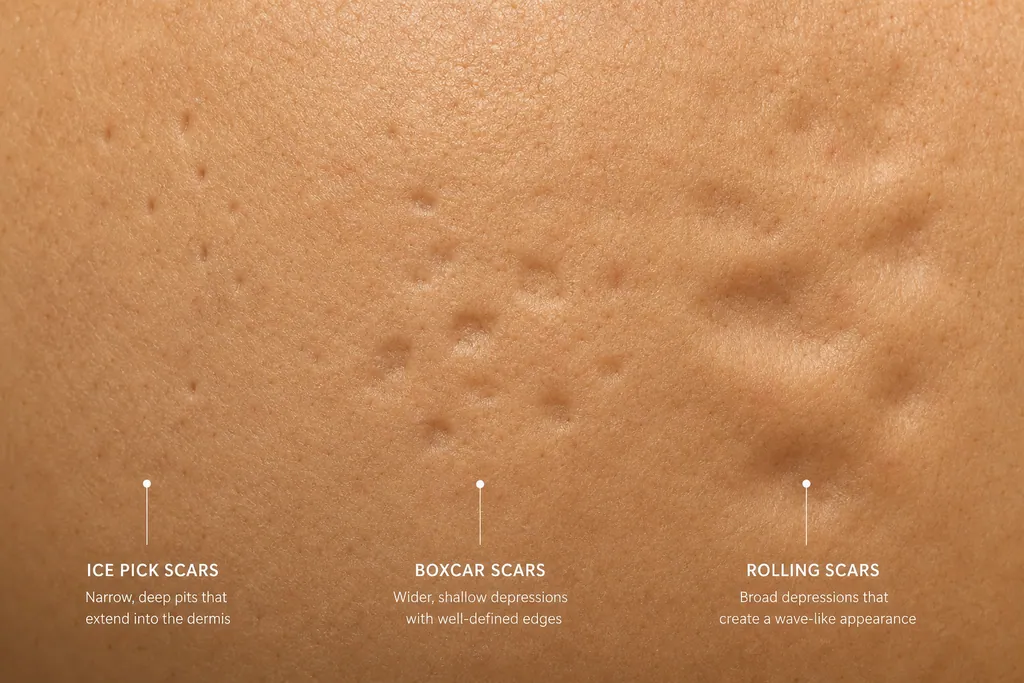
Types of Acne Scars: Ice Pick, Boxcar, Rolling and Pitted Scars
Atrophic acne scars come in distinct shapes — and the shape often determines what treatment may actually help.
 Acne Scars
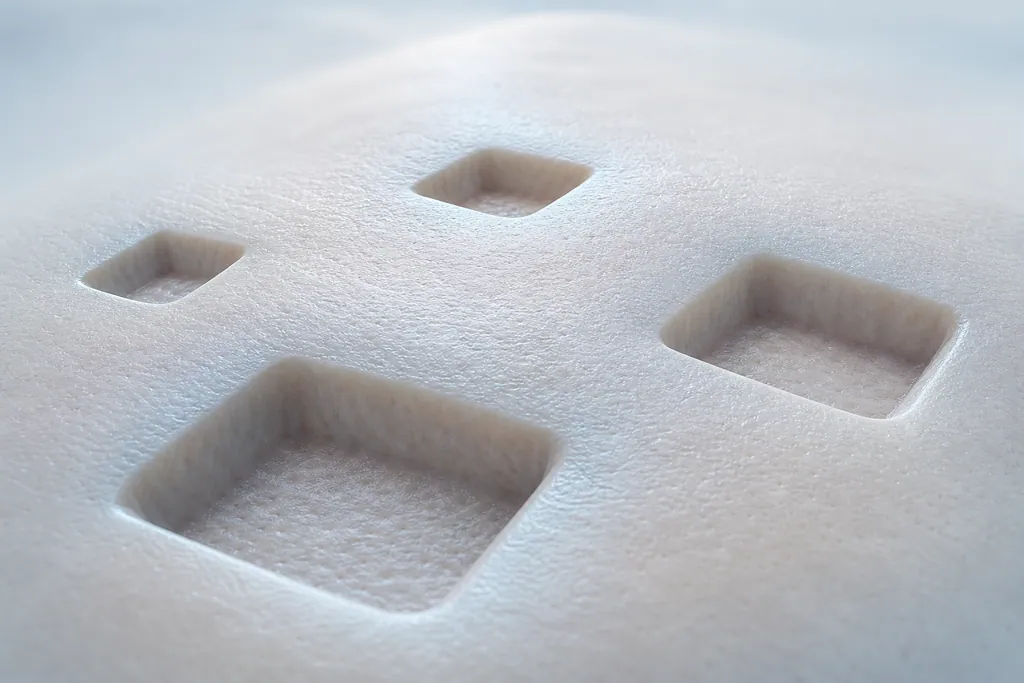
Boxcar Acne Scars: What They Are and Treatment Options
Boxcar scars are broad depressions with sharp, defined edges. Their shape explains why creams rarely help — and what may.
 Acne Scars
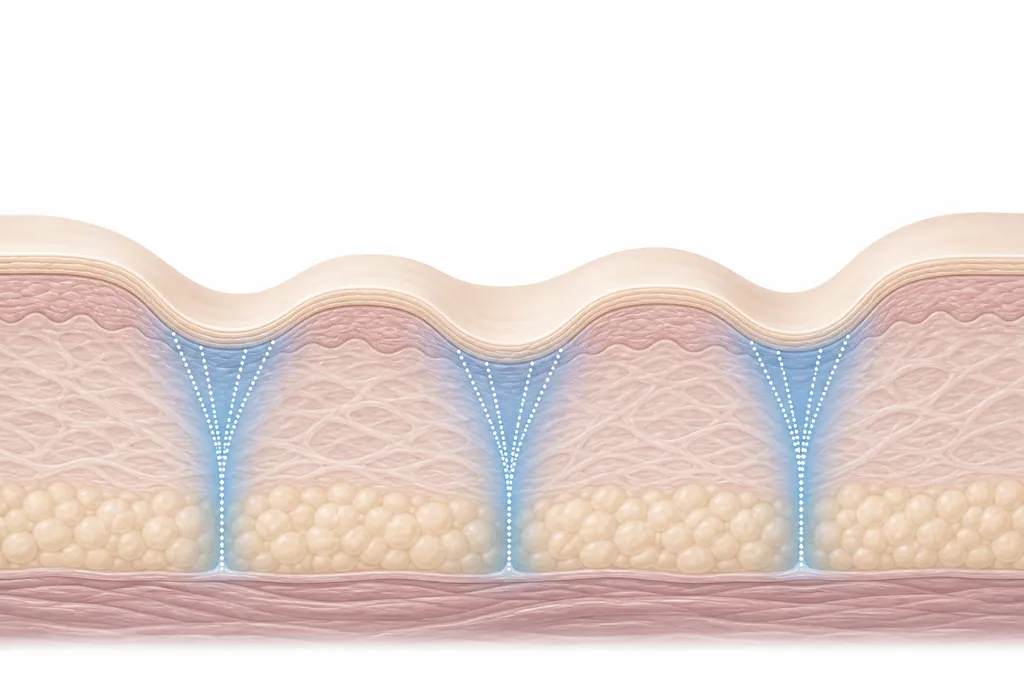
Rolling Acne Scars: Why They Form Beneath the Skin
Rolling scars are pulled down from below by fibrous bands. Until that tethering is released, surface treatments often disappoint.
 Acne Scars
Why Combination Treatment Is Often Needed for Acne Scars
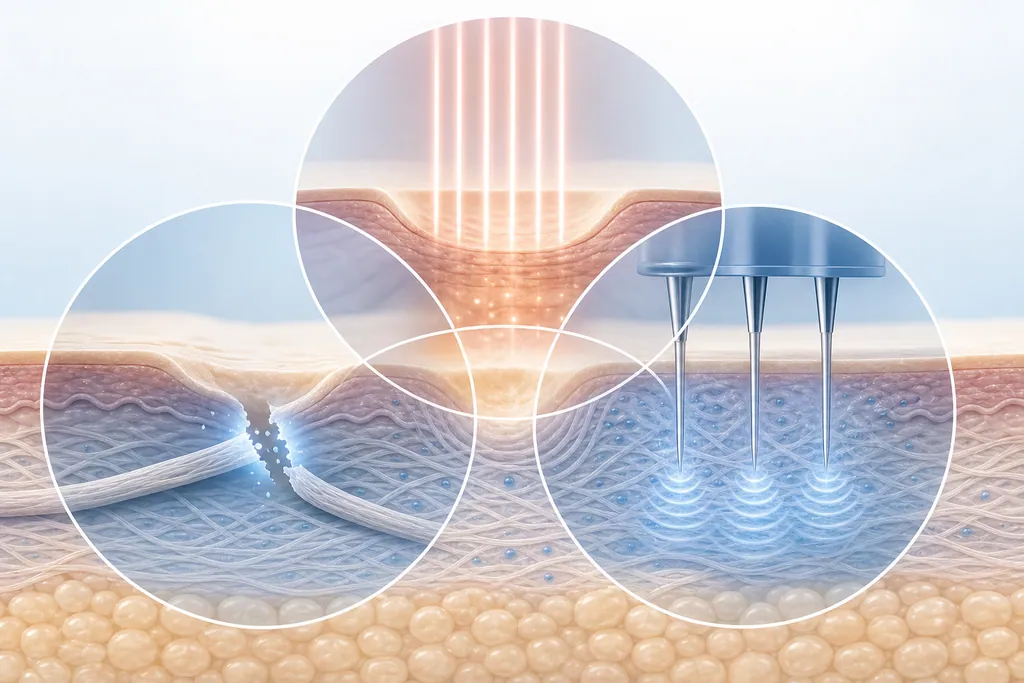
Most people have more than one scar type, and each behaves differently. That is why a single treatment rarely does the whole job.