
DrPlus Men's Wellness · Hormonal Health
Low Testosterone in Men: Symptoms and Treatment
Tired, low drive, low mood? Low testosterone is one possible cause — but it is over-diagnosed online. Here is how it is properly assessed.
Quick answer
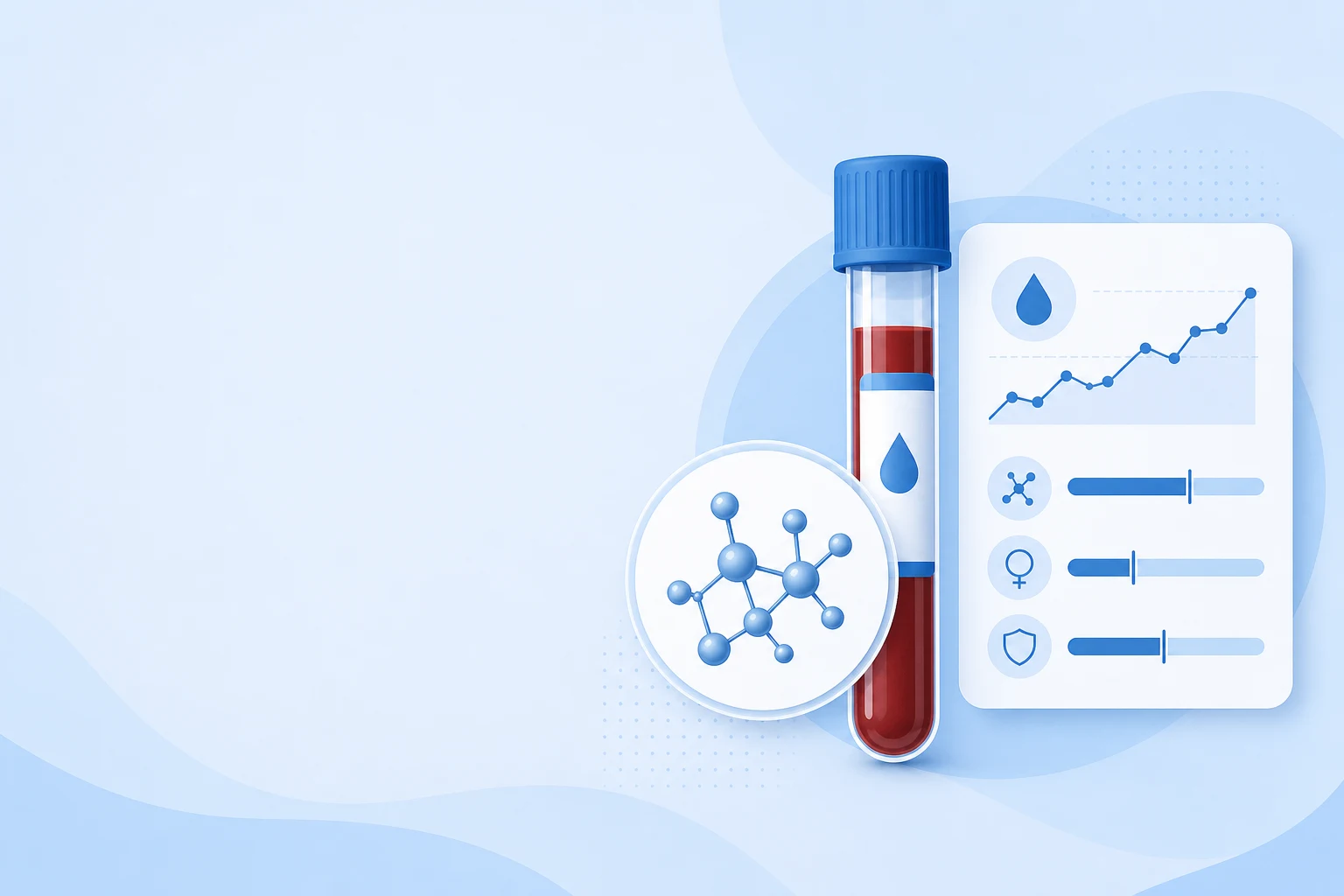
Low testosterone (sometimes called 'low T' or hypogonadism) can cause symptoms like fatigue, reduced sex drive, low mood, loss of muscle, and difficulty concentrating. The catch is that these symptoms are non-specific — they overlap heavily with stress, poor sleep, depression, thyroid issues and other conditions.
That is why low testosterone cannot be diagnosed from symptoms alone. Proper diagnosis needs blood tests (usually a morning sample, sometimes repeated), and treatment is only appropriate when levels are genuinely low and symptoms fit. Be wary of any service that prescribes testosterone without testing.
The symptoms (and their overlap)
Common symptoms include persistent fatigue, reduced libido, erectile difficulty, low mood or irritability, reduced muscle mass and strength, increased body fat, and poor concentration. When several occur together and persist, low testosterone becomes worth checking.
But each of these has many possible causes. Fatigue and low mood, for example, are far more often due to stress, sleep or depression than to hormones. This overlap is exactly why testing matters.
Mechanism
Energy & mood
Fatigue, low mood and irritability — but also caused by stress and sleep.
Mechanism
Sexual health
Low libido and erectile difficulty can have hormonal and non-hormonal causes.
Mechanism
Body composition
Reduced muscle and increased fat may reflect hormones or lifestyle.
How it is properly diagnosed
Diagnosis combines symptoms with blood tests. Testosterone is typically measured in a morning sample, often repeated to confirm, and may be accompanied by other hormone and health markers to find the cause and rule out alternatives. This is what separates responsible care from online testosterone-selling.
If levels are normal, the honest answer is that testosterone is not the problem — and the real cause (often sleep, stress, mood or another condition) deserves attention instead.
— Comparison
Symptoms vs proper diagnosis
| Step | What it tells you | Why it matters |
|---|---|---|
| Symptoms | Suggest a possibility | Non-specific — many other causes. |
| Morning blood test | Measures testosterone | Confirms or rules out low levels. |
| Repeat & wider markers | Confirms and finds cause | Avoids over-diagnosis and finds alternatives. |
Symptoms
- What it tells you
- Suggest a possibility
- Why it matters
- Non-specific — many other causes.
Morning blood test
- What it tells you
- Measures testosterone
- Why it matters
- Confirms or rules out low levels.
Repeat & wider markers
- What it tells you
- Confirms and finds cause
- Why it matters
- Avoids over-diagnosis and finds alternatives.
How treatment is approached
When low testosterone is genuinely confirmed and symptomatic, testosterone replacement therapy may be appropriate. It is not a casual lifestyle supplement: it requires ongoing monitoring of response and safety, and it has considerations that a doctor will explain. Alongside it, addressing sleep, weight, activity and underlying conditions matters.
Where levels are normal, the focus shifts to the actual cause of symptoms rather than unnecessary hormones — which is better medicine and safer.
Assessed properly and privately
If you have persistent symptoms, a doctor-led consultation with appropriate testing is the right path — privately and without being upsold hormones you may not need. The goal is to find the real cause, whatever it is.
At DrPlus in Johor Bahru, low testosterone is assessed with proper testing and honest interpretation.
— Privacy first
How private men's wellness consultations work at DrPlus
Private consultation
Private rooms, discreet booking, and confidential records — your appointment is private from the moment you book.
Doctor-led assessment
Every conversation is with a qualified physician — not a sales consultant.
Discreet care
Calm, judgement-free, clinical — no pressure to proceed and no public exposure.
— Frequently asked
Common questions
Common symptoms include fatigue, low libido, erectile difficulty, low mood, reduced muscle and strength, increased body fat and poor concentration. However, these are non-specific and often caused by other factors, so testing is needed.
With blood tests — usually a morning testosterone sample, often repeated to confirm, sometimes with other hormone and health markers. Symptoms alone are not enough because they overlap with many other conditions.
Not necessarily. Fatigue is far more often caused by stress, poor sleep, mood or other conditions than by low testosterone. Therapy is only appropriate when blood tests confirm genuinely low levels alongside fitting symptoms.
When genuinely indicated and properly monitored by a doctor, it can be appropriate. It is not a casual supplement — it requires ongoing monitoring and has considerations. Avoid services that prescribe it without proper testing.
Because low testosterone is over-diagnosed and these symptoms have many causes. Unsupervised testosterone can be harmful and may mask the real problem. Proper testing and medical monitoring are essential.
— Related treatments
Continue with the relevant DrPlus treatment pages
Each page goes deeper into mechanism, suitability and recovery — your final plan is confirmed at consultation.
— Continue reading
 Men's Wellness
What Causes Erectile Dysfunction? Common Factors
ED is rarely about one thing. Understanding the real causes — and why it can signal wider health issues — is the first step to treating it.
 Men's Wellness
Erectile Dysfunction Treatment Options in Singapore & Johor Bahru
From lifestyle to medication to newer therapies, here is an honest overview of how ED is treated — and why the right plan starts with assessment.
 Men's Wellness
Premature Ejaculation: Treatment Options in Singapore & Johor Bahru
One of the most common and least-discussed men's concerns. The good news: PE is very treatable once you understand it.