
DrPlus Skin Education · Pigmentation
Melasma vs Freckles: Photos & How to Tell Them Apart
Three of the most common pigmentation patterns — and they behave very differently in treatment.
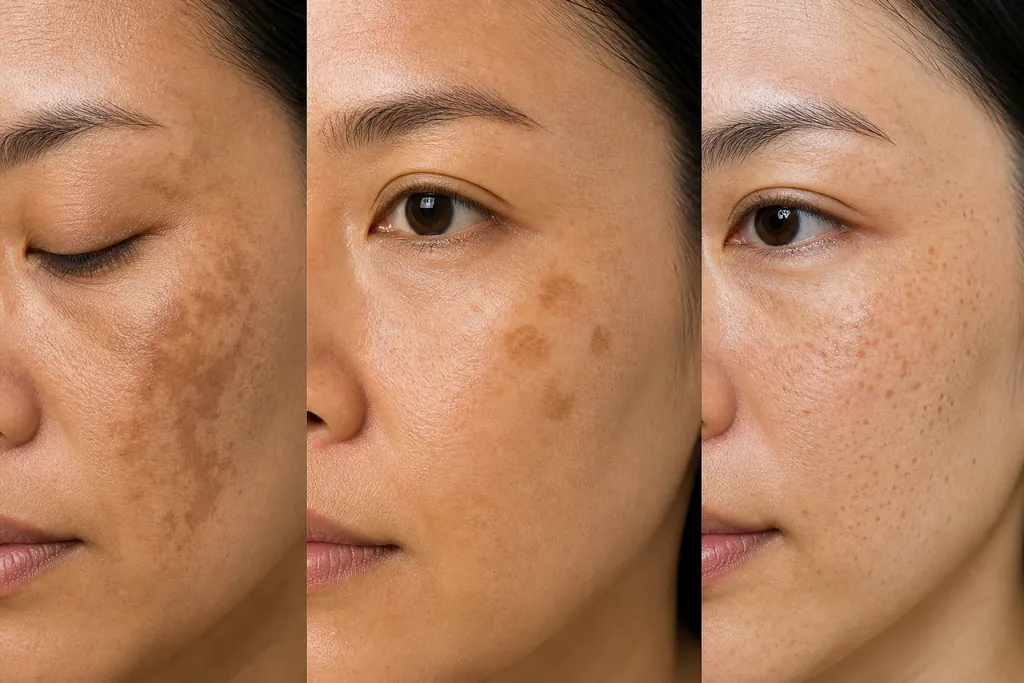
Why pigmentation type matters
Pigmentation is a category, not a single condition. Melasma, sun spots and freckles look similar at a glance but behave very differently in treatment.
A protocol that suits one can sometimes worsen another — particularly with melasma, where aggressive treatment can trigger rebound pigmentation. This is why identification matters before any treatment plan is built.
Melasma
Symmetrical patches, often on the cheeks, forehead or upper lip. Strongly hormone- and sun-influenced.
Cautious, lower-intensity protocols are the norm
Sun spots
Flat, well-defined dark marks caused by cumulative sun exposure — most common on face, hands and chest.
Often responsive to pigment lasers with sun discipline
Freckles
Small, lighter brown spots — often genetic. Tend to darken with sun and fade with consistent sun protection.
Gentle approaches when treatment is wanted
What is melasma?
Melasma typically appears as symmetrical patches of darker pigmentation, often on the cheeks, forehead, upper lip or jawline. It is strongly influenced by hormones and sun exposure — common triggers include pregnancy, hormonal medications, and sustained sun.
Melasma is notoriously sensitive. Aggressive lasers or peels can produce rebound pigmentation that is harder to treat than the original. A cautious, layered approach — sun protection, supportive topicals, and carefully chosen in-clinic treatment — is the norm.
What are sun spots?
Sun spots (also called solar lentigines) are flat, well-defined dark marks caused by cumulative sun exposure. They are most common on the face, hands, chest and shoulders — areas that see the most sun over time.
Sun spots usually respond well to pigment lasers and supportive skincare. Continued sun protection is essential — without it, new spots tend to appear over the following years.
What are freckles?
Freckles (ephelides) are small, light-to-medium brown spots that often have a genetic component. They tend to darken with sun exposure and can fade over winter or with consistent sun protection.
Freckles can be treated when wanted, but many patients leave them alone. If treatment is considered, the approach is usually gentle and combined with strong sun protection so they do not return immediately.
How assessment guides treatment
A doctor-led assessment looks at pattern (symmetrical vs scattered), depth, skin tone, and contributing factors (hormones, medication, sun exposure history). These observations directly inform which treatment is appropriate — or whether to delay treatment until other factors are addressed.
The decision to use laser at all is part of the assessment. Some pigmentation responds best to topicals and sun discipline alone in the early phase, with energy-based treatment introduced cautiously later if needed.
— Comparison
Melasma vs sun spots vs freckles — at a glance
| Aspect | Melasma | Sun spots | Freckles |
|---|---|---|---|
| Typical pattern | Symmetrical patches | Well-defined spots | Small scattered spots |
| Main drivers | Hormones + sun | Cumulative sun exposure | Genetic, sun-darkened |
| Response to aggressive laser | Often rebounds — cautious approach | Generally responsive | Generally responsive (often left alone) |
| Maintenance importance | Very high — sun + topicals long-term | High — sun discipline ongoing | High — they darken in sun |
Typical pattern
- Melasma
- Symmetrical patches
- Sun spots
- Well-defined spots
- Freckles
- Small scattered spots
Main drivers
- Melasma
- Hormones + sun
- Sun spots
- Cumulative sun exposure
- Freckles
- Genetic, sun-darkened
Response to aggressive laser
- Melasma
- Often rebounds — cautious approach
- Sun spots
- Generally responsive
- Freckles
- Generally responsive (often left alone)
Maintenance importance
- Melasma
- Very high — sun + topicals long-term
- Sun spots
- High — sun discipline ongoing
- Freckles
- High — they darken in sun
Why pigmentation can recur
Pigmentation often recurs when the contributing factors are not addressed alongside in-clinic treatment. Sun exposure is the most universal driver; hormonal context and ongoing inflammation are also frequent contributors.
Daily broad-spectrum sun protection, supportive skincare, and periodic maintenance are usually how durable improvement is protected over time.
— Frequently asked
Common questions
Freckles are small, discrete dots that usually appear in childhood, darken with sun, and fade in winter. Melasma appears in adulthood as larger, symmetrical patches — typically across the cheeks, forehead or upper lip — often triggered by hormones and heat, and it does not fade seasonally. If your pigment arrived as adult-onset patches on both sides of the face, melasma is the stronger suspect; a doctor's assessment in good lighting confirms it.
Sometimes the pattern is suggestive (symmetrical patches often raise the question of melasma), but reliable identification needs an in-person assessment in good lighting.
It can, but cautiously. Aggressive laser settings on melasma can trigger rebound pigmentation that is harder to treat than the original. Lower-intensity protocols are the norm when laser is used.
Not necessarily. Many patients leave freckles alone. If treatment is wanted, the approach is usually gentle and paired with strong sun protection.
Sun exposure, hormonal context, and ongoing inflammation can drive recurrence. Maintenance — including sun discipline — is part of a realistic plan.
Daily broad-spectrum sun protection. It is the single most consistently useful step in protecting any pigmentation gains over time.
— Related treatments
Continue with the relevant DrPlus treatment pages
Each page goes deeper into mechanism, suitability and recovery — your final plan is confirmed at consultation.
— Continue reading
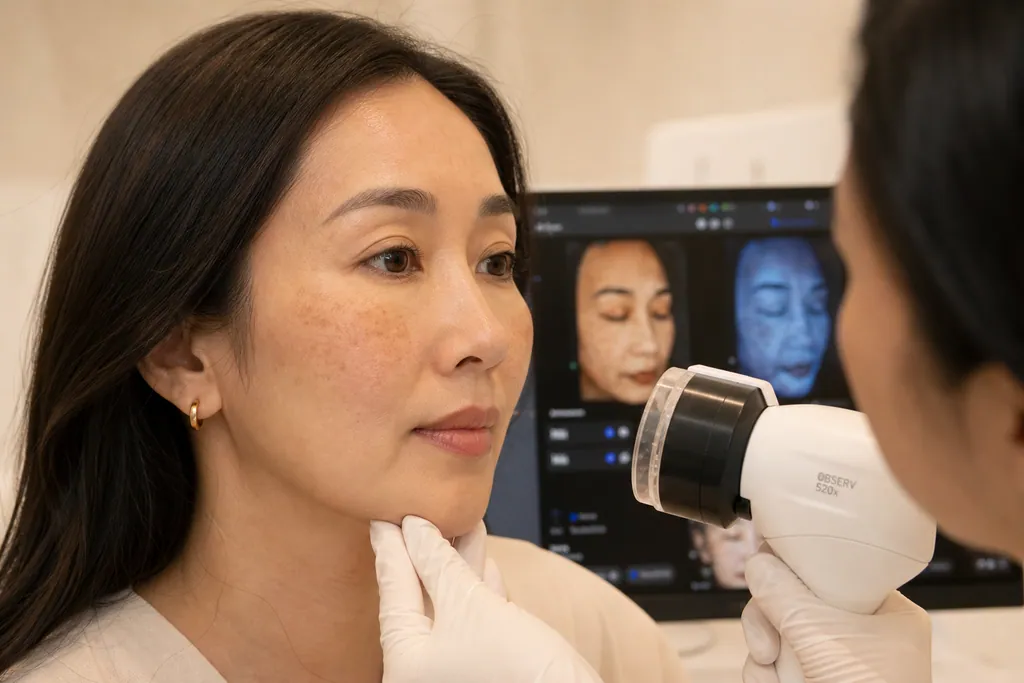 Pigmentation
Pigmentation Treatment in Johor Bahru: What Options Are Available?
Not all pigmentation is the same. Assessment before treatment is the difference between gradual improvement and accidental worsening.
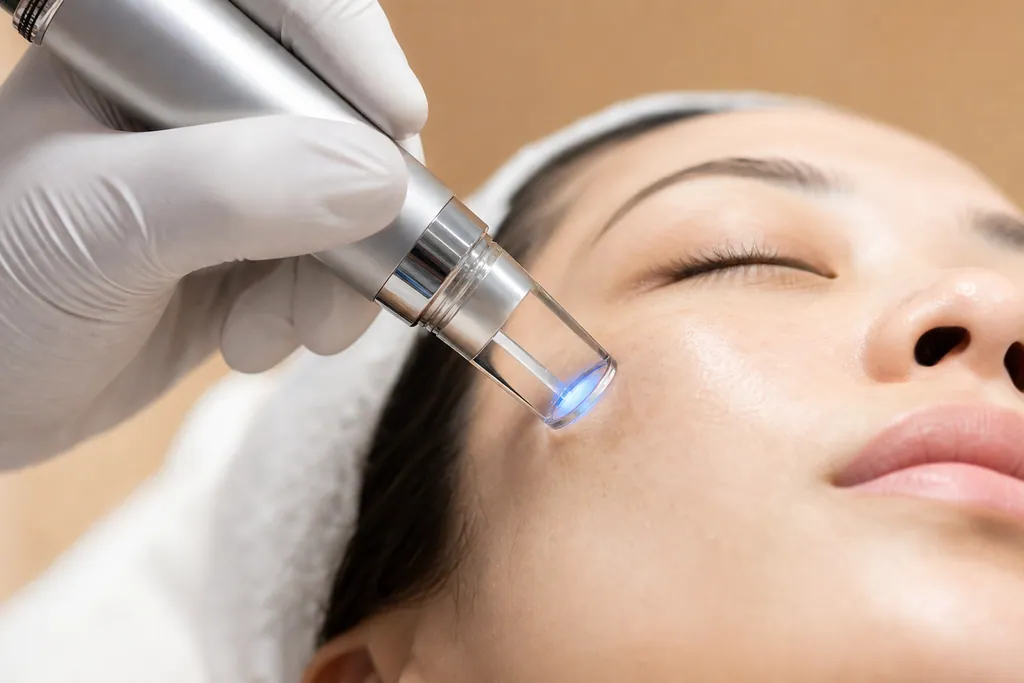 Pigmentation
Pico Laser Treatment for Pigmentation: What It Does and Who It May Suit
Pico laser is one of the most discussed pigment treatments — and one of the most over-promised. Here is how to think about it.
— Ask a Doctor
Not sure which pigment type you have?
Describe what you're seeing — where the patches are, when they appeared, and what you've tried. Our medical team will reply with doctor-led guidance on the likely type and sensible next steps.
- Doctor-led assessment and recommendations
- Reviewed personally — not auto-routed
- Discreet handling of sensitive concerns
- Reply typically within one business day