
DrPlus Skin Education · Pigmentation
Pigmentation Treatment in Johor Bahru: What Options Are Available?
Not all pigmentation is the same. Assessment before treatment is the difference between gradual improvement and accidental worsening.
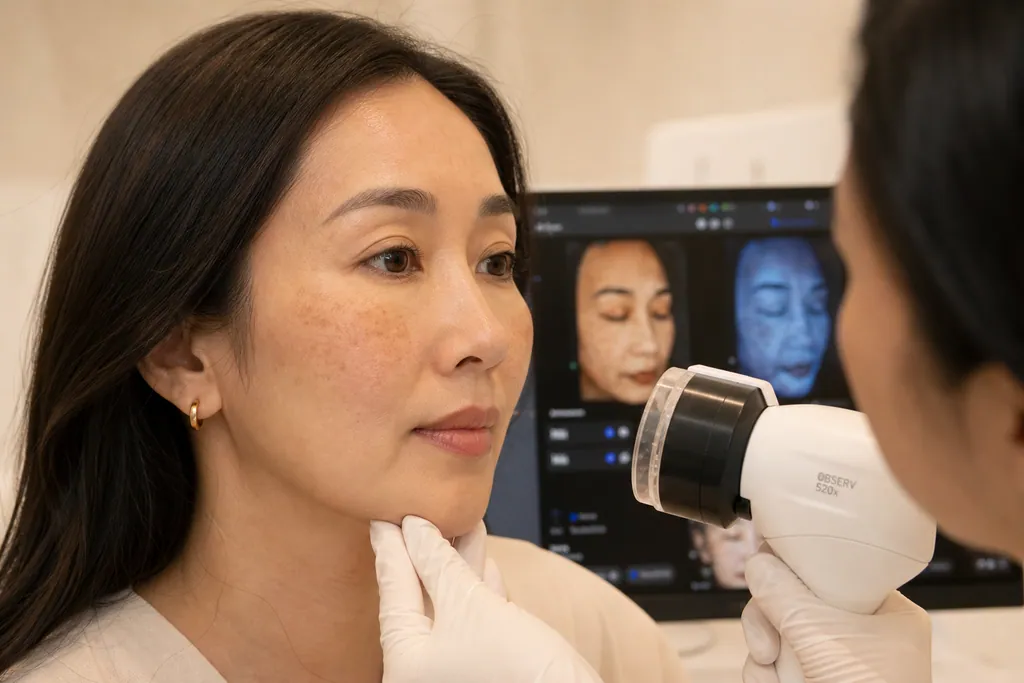
What is pigmentation?
Pigmentation refers to areas of skin that are darker (or sometimes lighter) than the surrounding skin. It is caused by changes in melanin — the pigment that gives skin its colour — produced by specialised cells called melanocytes.
Pigmentation is shaped by many factors, including sun exposure, hormones, inflammation, genetics, and skin tone. Because the causes are different, the treatments are different too.
Common types of pigmentation concerns
The most commonly seen pigmentation patterns include sun-related spots, melasma, post-inflammatory hyperpigmentation (often from acne), and freckles. They differ in pattern, depth, and how they respond to treatment.
Melasma
Symmetrical patches, often on the cheeks, forehead or upper lip. Strongly hormone- and sun-influenced.
Cautious, lower-intensity protocols are the norm
Sun spots
Flat, well-defined dark marks caused by cumulative sun exposure — most common on face, hands and chest.
Often responsive to pigment lasers with sun discipline
Freckles
Small, lighter brown spots — often genetic. Tend to darken with sun and fade with consistent sun protection.
Gentle approaches when treatment is wanted
Why pigmentation needs assessment
It is tempting to think 'I have dark spots, so I need a pigment laser' — but the wrong device or settings can sometimes make pigmentation worse rather than better, especially in darker skin tones.
Melasma, for example, behaves very differently from a simple sun spot, and an aggressive laser can trigger rebound pigmentation. An assessment first means a plan that is appropriate, not just reactive.
Treatment options that may be considered
Depending on pigment type, depth, skin tone and goals, your doctor may consider treatments such as pico laser, chemical peels, topicals, and supportive skincare — usually as part of a planned sequence with daily sun protection.
Treatment is rarely just the in-clinic part. Home routine, sun habits and any contributing hormonal or skincare factors are part of the same plan.
Treatment option
Pico Laser
Best for: Sun spots & surface pigmentPicosecond-domain pigment laser commonly used for sun-related pigmentation and selected melasma cases.
Learn moreTreatment option
Chemical Peel
Best for: Marks & uneven toneControlled exfoliation used for post-inflammatory marks and surface tone evenness.
Learn moreTreatment option
Aesthetic Laser Hub
Best for: Device overviewBroader view of how different lasers are selected and sequenced at DrPlus.
Learn morePigmentation maintenance and recurrence
Pigmentation has a tendency to recur, especially when contributing factors — sun exposure, hormones, ongoing inflammation — are not addressed alongside the in-clinic treatment.
Daily broad-spectrum sun protection is not optional. It is the most important single thing patients can do to protect any pigmentation gains over time.
Your doctor will discuss realistic maintenance frequency and what to expect over months and years, not just sessions.
— Pathway
How pigmentation plans are typically built
- 01
Assessment
Identify pigment type, depth and contributing factors.
- 02
Foundations
Daily sun protection, supportive skincare, lifestyle factors.
- 03
In-clinic treatment
Laser, peel or combination selected for the assessed pigment.
- 04
Review
Response check after a few sessions, plan adjusted as needed.
- 05
Maintenance
Periodic touch-ups and continued sun discipline.
- 01
Assessment
Identify pigment type, depth and contributing factors.
- 02
Foundations
Daily sun protection, supportive skincare, lifestyle factors.
- 03
In-clinic treatment
Laser, peel or combination selected for the assessed pigment.
- 04
Review
Response check after a few sessions, plan adjusted as needed.
- 05
Maintenance
Periodic touch-ups and continued sun discipline.
— Frequently asked
Common questions
DrPlus Aesthetic Clinic is located in Iskandar Puteri, Johor Bahru (B0223, Jalan Eko Botani 3, Taman Eko Botani, 79100). We offer doctor-led pigmentation treatments including pico laser, chemical peels and supportive skincare plans. Book a consultation to discuss your specific pigmentation concern.
There is no single 'best' laser. Suitability depends on pigment type, depth, skin tone and hormonal or lifestyle factors. Your doctor will recommend a device based on assessment.
Pigmentation can recur, especially when contributing factors such as sun exposure or hormonal influences are not addressed. Maintenance is part of a realistic plan.
It can be when device selection, settings and protocols are matched to skin type. Inappropriate settings may trigger post-inflammatory pigmentation, which is why a doctor-led plan matters.
Often yes. Daily sun protection, supportive skincare and addressing any contributing factors are part of a realistic plan. In-clinic treatment alone is usually not enough.
Pigmentation improvement is gradual, typically over weeks to months and across multiple sessions. Your doctor will share a realistic expectation at consultation.
— Related treatments
Continue with the relevant DrPlus treatment pages
Each page goes deeper into mechanism, suitability and recovery — your final plan is confirmed at consultation.
Primary money page
Pigmentation Treatment Hub
Doctor-led category overview combining laser, peel and supportive pathways.
pigmentation treatment in Johor BahruSupporting
Pigmentation Treatment in Singapore
The Singapore pathway for distinguishing melasma, sun spots, freckles and PIH before choosing treatment.
doctor-led pigmentation diagnosis and treatment in SingaporeSupporting
Pico Laser
Picosecond-domain pigment laser detail page — mechanism and suitability.
pico laser for pigmentationSupporting
Chemical Peel
Controlled exfoliation for post-inflammatory marks and surface tone.
chemical peel for uneven toneSupporting
Aesthetic Laser Hub
Broader view of how lasers are selected and sequenced at DrPlus.
aesthetic laser treatment in Johor Bahru— Continue reading
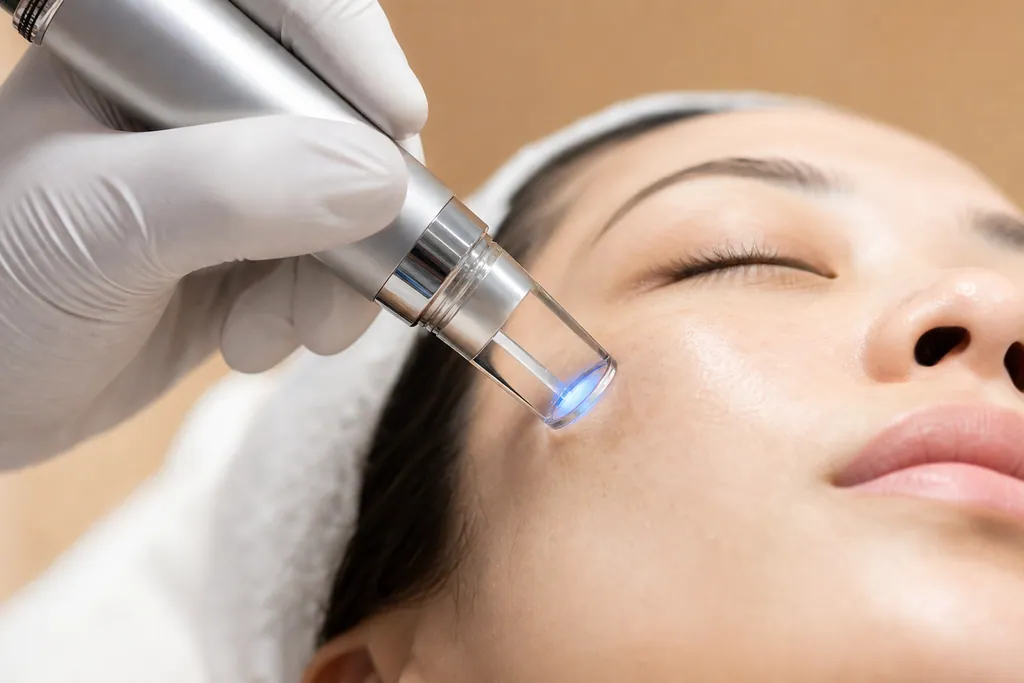 Pigmentation
Pico Laser Treatment for Pigmentation: What It Does and Who It May Suit
Pico laser is one of the most discussed pigment treatments — and one of the most over-promised. Here is how to think about it.
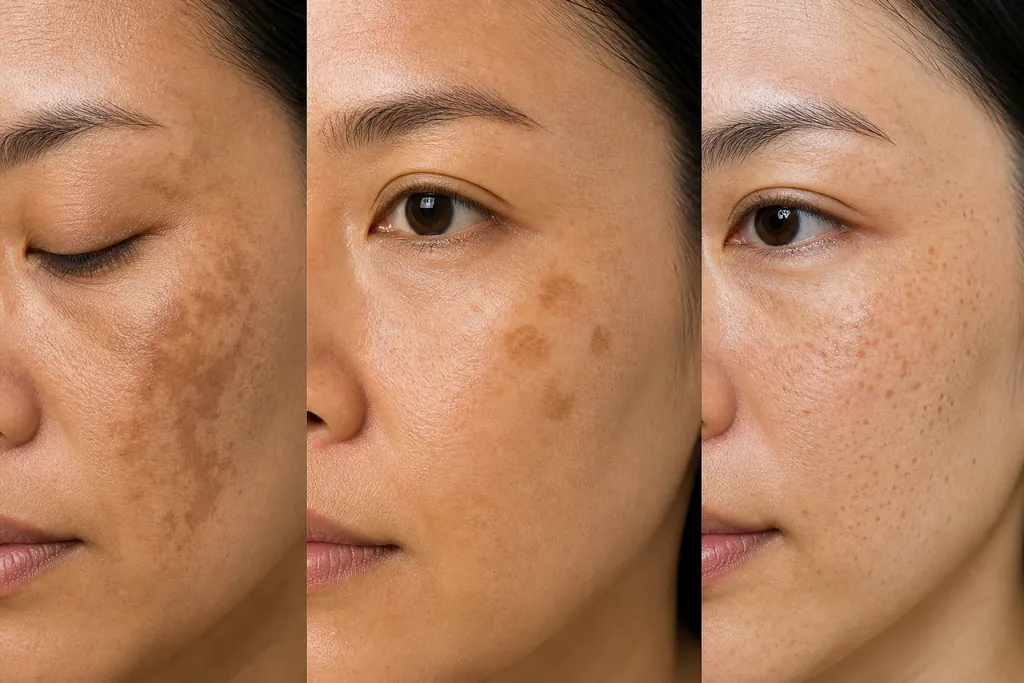 Pigmentation
Melasma vs Freckles: Photos & How to Tell Them Apart
Three of the most common pigmentation patterns — and they behave very differently in treatment.