
DrPlus Skin Education · Pigmentation
Pico Laser for Melasma: A Cautious, Doctor-Led View
Melasma is the trickiest pigment to treat. Here is a careful, doctor-led view of where pico laser fits — and where it doesn't.

Why melasma is different
Melasma is a chronic pigmentation condition strongly influenced by hormones, sun and heat. Unlike straightforward sun spots, it tends to be stubborn, symmetrical and prone to returning — which is why it is treated with far more caution than other pigment.
Because it sits in a delicate balance, treatments that are too aggressive can make it flare rather than fade.
How pico laser is used for melasma (cautiously)
Where pico laser for melasma has a role, it is typically as low-energy 'toning' within a broader plan built on daily sun protection and pigment-stabilising topicals — not as a stand-alone fix. The aim is gentle, gradual improvement while avoiding provocation.
The rebound risk
The biggest concern with lasering melasma is rebound: pigment returning, sometimes darker, after initial improvement. This risk rises with high energy, frequent sessions, heat exposure and inconsistent sun protection.
Managing rebound risk is the main reason melasma plans are conservative and closely monitored.
Why laser isn't right for every melasma
For some people, the safest and most effective plan for melasma involves no laser at all — relying instead on sun protection, topicals and lifestyle adjustments. A doctor's job is to be honest about when laser is and isn't appropriate.
Melasma is managed, not 'cured'
The realistic goal with melasma is long-term control — quieter, more even skin maintained over time — rather than a permanent cure. That means a plan built on foundations, with any laser used sparingly and reviewed often.
— Pathway
A cautious melasma plan
- 01
Diagnosis
Confirm it is melasma and identify triggers and depth.
- 02
Foundations
Strict daily sun protection and pigment-stabilising topicals.
- 03
Cautious in-clinic care
Low-energy toning or gentle options only if appropriate.
- 04
Close review
Monitor for any sign of rebound and adjust quickly.
- 05
Maintenance
Ongoing control with sun discipline and supportive care.
- 01
Diagnosis
Confirm it is melasma and identify triggers and depth.
- 02
Foundations
Strict daily sun protection and pigment-stabilising topicals.
- 03
Cautious in-clinic care
Low-energy toning or gentle options only if appropriate.
- 04
Close review
Monitor for any sign of rebound and adjust quickly.
- 05
Maintenance
Ongoing control with sun discipline and supportive care.
— Frequently asked
Common questions
Pico laser can help some melasma when used as gentle, low-energy toning within a broader plan of sun protection and topicals. It is not a cure, and not every melasma case is suitable for laser. A cautious, doctor-led approach is essential.
Yes. Aggressive settings or over-treatment can cause rebound, where pigment returns and can look darker. This is why melasma is treated conservatively, monitored closely, and sometimes not lasered at all.
It can be used cautiously on Asian skin, but the risk of post-inflammatory pigmentation and rebound is higher, so settings must be conservative and carefully monitored. For some patients, non-laser management is the safer choice.
Melasma is chronic, so results require ongoing maintenance. Without consistent sun protection and supportive care, pigment commonly returns. The goal is long-term control rather than a permanent fix.
There is no single best treatment. The foundation is strict sun protection and pigment-stabilising topicals, with cautious in-clinic options added only when appropriate. Your doctor will tailor a plan to your skin and triggers.
— Related treatments
Continue with the relevant DrPlus treatment pages
Each page goes deeper into mechanism, suitability and recovery — your final plan is confirmed at consultation.
— Continue reading
 Pigmentation
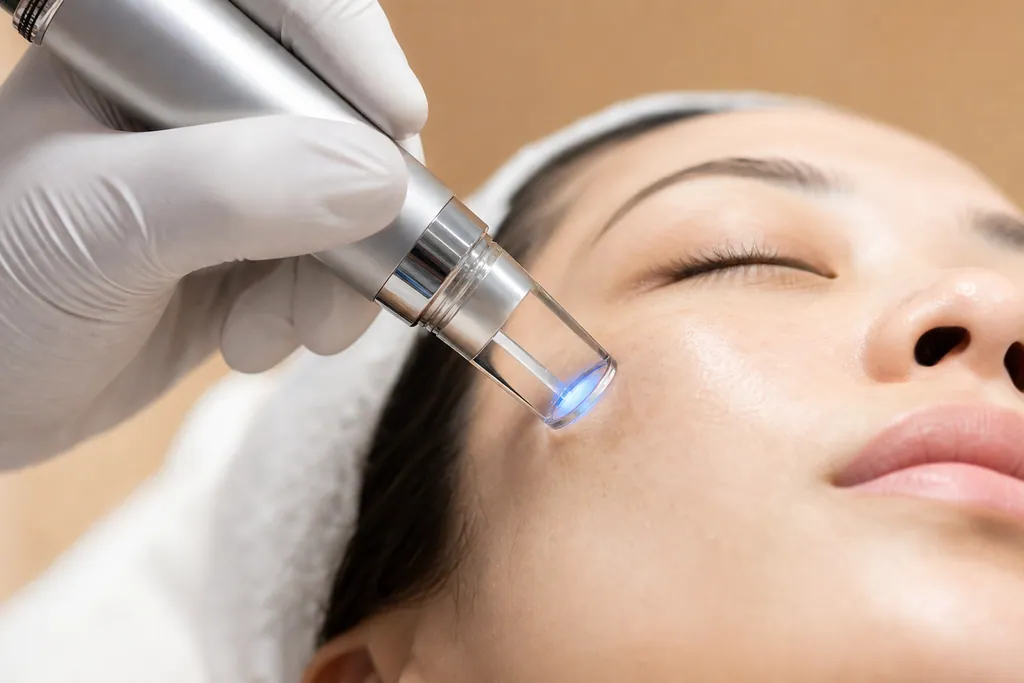
Pico Laser Treatment for Pigmentation: What It Does and Who It May Suit
Pico laser is one of the most discussed pigment treatments — and one of the most over-promised. Here is how to think about it.
 Pigmentation
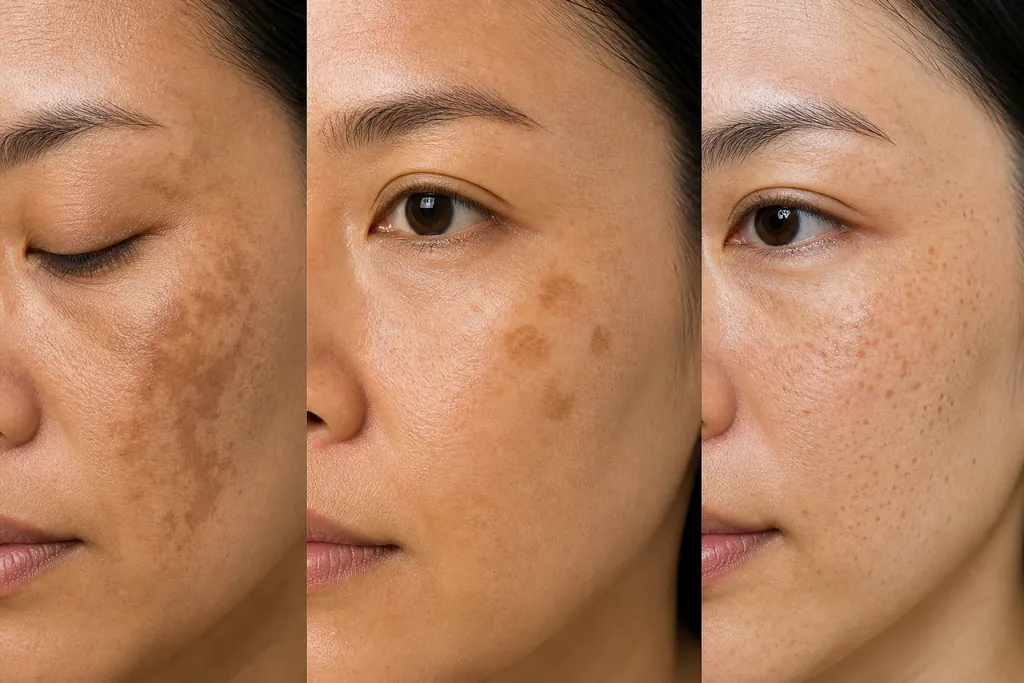
Melasma vs Freckles: Photos & How to Tell Them Apart
Three of the most common pigmentation patterns — and they behave very differently in treatment.
 Pico & Laser
Pico Laser Side Effects: What's Normal and What's Not
Most pico laser side effects are mild and short-lived — but some matter. Here is an honest, doctor-led breakdown.