
DrPlus Skin Education · Pico & Laser
Q-Switched Laser: What It Is, What It Treats, and Where It Stands
Before pico lasers arrived, Q-switched was THE pigment laser — and it still does real work in clinics across Malaysia. Here is what the technology actually is, minus the marketing from either side.
What 'Q-switched' actually means
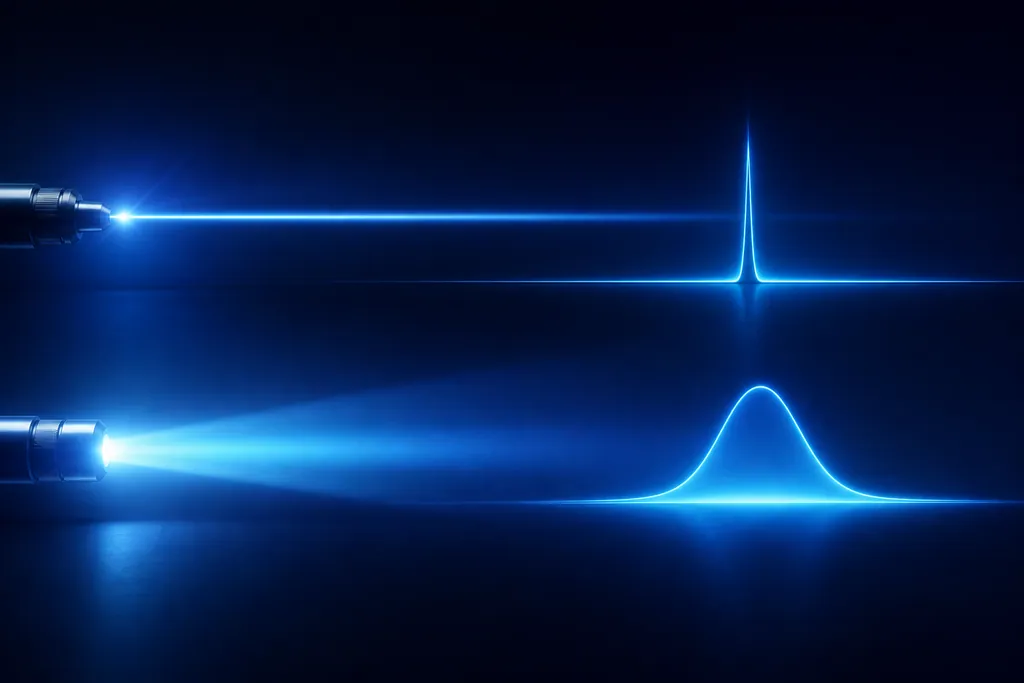
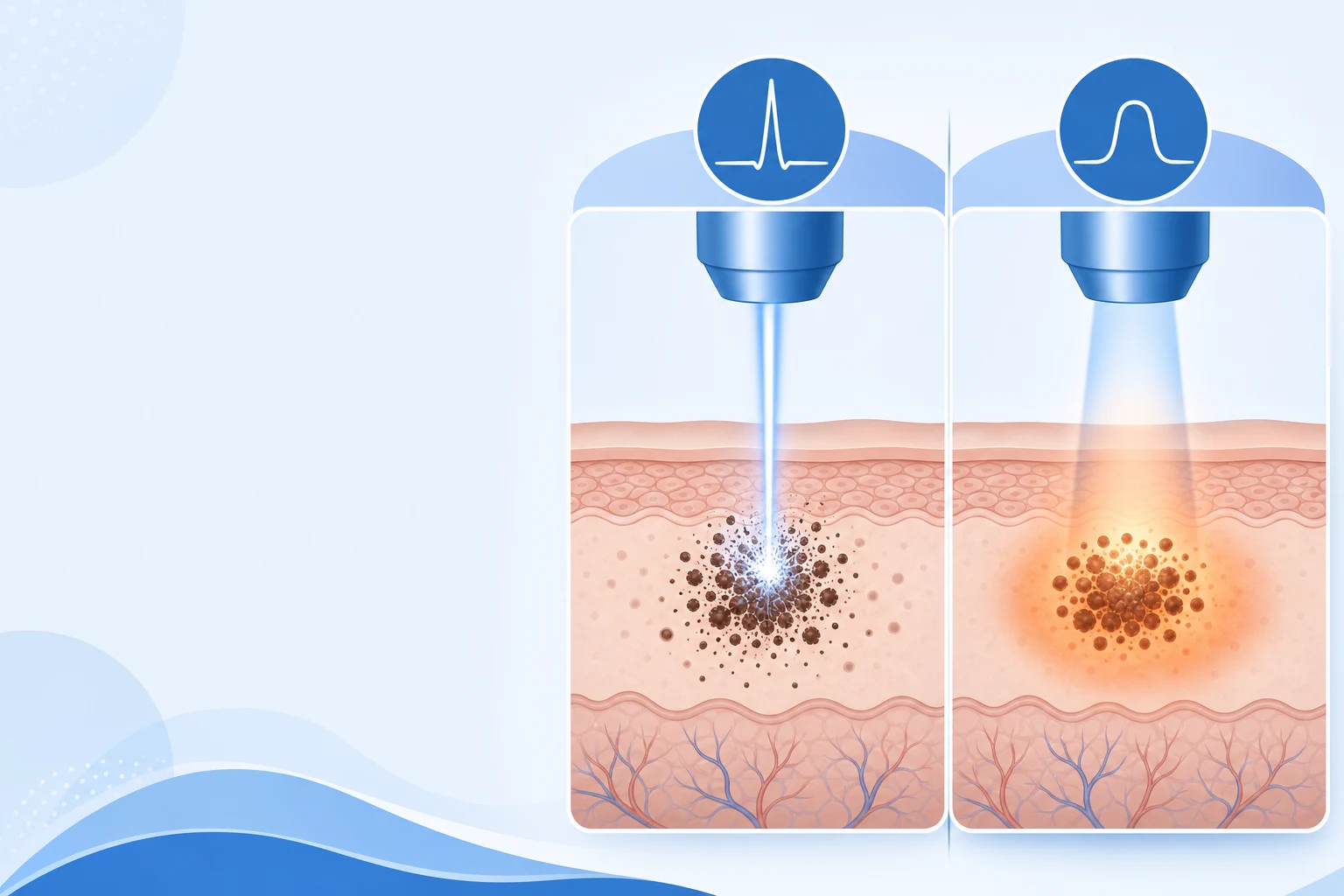
Q-switching is an engineering trick inside the laser cavity. A 'quality switch' holds the laser back while energy builds, then releases everything in one giant pulse lasting nanoseconds — billionths of a second. That burst is the whole point: delivered that quickly, the energy shatters pigment particles by a rapid photothermal and photomechanical effect before heat can spread into the surrounding skin.
This principle — selective photothermolysis — is why a Q-switched laser can break up a tattoo or a sun spot without burning the skin around it. The pigment absorbs the pulse; the neighbouring tissue is largely spared.
The most common platform is the Q-switched Nd:YAG laser, which fires at two useful wavelengths: 1064 nm, which penetrates deeper and is safer for darker skin tones, and 532 nm, which targets superficial pigment on lighter skin. Q-switched ruby and alexandrite lasers exist too, but the Nd:YAG is the workhorse you will meet in most Malaysian clinics.
What a Q-switched laser treats
Q-switched lasers earn their keep on pigment that exists as discrete particles — melanin clumped in a spot, or tattoo ink sitting in the dermis. The treatment list reflects that:
Mechanism
Sun spots & freckles
Well-defined superficial pigment responds well — often in few sessions. The 532 nm wavelength is the classic tool on lighter skin.
Mechanism
Dermal pigment & Hori's nevus
Deeper pigment conditions need the 1064 nm wavelength to reach the dermis — planned as a course, with realistic expectations set upfront.
Mechanism
Tattoo ink
Q-switched lasers were the tattoo-removal standard for decades and still clear dark inks effectively; pico lasers now often finish stubborn or previously treated tattoos.
Q-switched vs pico: where it stands today
Pico lasers fire in picoseconds — roughly a thousand times faster — which shifts the effect further from heat toward pressure, fragmenting pigment into finer particles with less thermal load on surrounding skin. For some pigment types, and particularly on deeper Asian skin tones where heat drives post-inflammatory hyperpigmentation, that margin matters.
But 'newer' is not a diagnosis. Q-switched lasers remain effective and economical for well-defined superficial pigment and dark tattoo ink, and decades of evidence sit behind them. Some problems genuinely benefit from pico; others are served equally well by either technology at a sensible setting.
If the comparison is your actual question, we have two dedicated guides: a general pico-vs-Q-switched explainer, and a pigmentation-specific comparison that includes yellow laser — both linked below this article.
Q-switched lasers on Asian skin: the honest caveats
The main risk on deeper skin tones is post-inflammatory hyperpigmentation (PIH) — the skin responding to heat with more pigment, not less. Because nanosecond pulses deposit more heat than picosecond pulses for a comparable pigment effect, settings discipline matters even more with Q-switched treatment on Malaysian and Singaporean skin.
Handled well, that risk is managed: conservative fluence, the 1064 nm wavelength for deeper tones, test spots where appropriate, strict sun protection around sessions, and — above all — the correct diagnosis before any laser fires. Melasma in particular punishes aggressive laser treatment of any kind, which is why it is diagnosed and planned differently from spot pigment.
Q-switched laser treatment in Malaysia
Both technologies are common across Malaysian clinics, often marketed hard in both directions — 'proven Q-switched value' on one side, 'latest pico technology' on the other. The useful filter is not the device poster but the assessment: a doctor who diagnoses your pigment first, explains why a given wavelength and pulse suits it, and sets honest expectations about sessions and recurrence.
At DrPlus, pigment work is anchored on doctor-led pico laser, with the diagnosis-first approach described above — and if your pigment or budget is better served by a different approach, you will be told so at assessment. WhatsApp a photo of your concern and we can usually give a preliminary view within minutes.
— Frequently asked
Common questions
A laser that stores energy and releases it in a single giant pulse lasting nanoseconds (billionths of a second). Delivered that fast, the energy shatters pigment particles — sun spots, freckles, tattoo ink — while largely sparing surrounding skin. The most common platform is the Q-switched Nd:YAG, firing at 1064 nm for deeper pigment and 532 nm for superficial spots.
Discrete pigment problems: sun spots, freckles, some birthmarks, dermal pigment conditions such as Hori's nevus, and tattoo ink — it was the tattoo-removal standard for decades. It is not a cure-all: melasma needs a much more cautious, diagnosis-led plan, and texture or scarring concerns belong to other technologies entirely.
Neither is universally better. Pico pulses are about a thousand times shorter, fragment pigment more finely and deposit less heat — useful for stubborn pigment and deeper Asian skin tones. Q-switched remains effective and proven for well-defined pigment and dark tattoo ink. The pigment type, its depth and your skin tone decide — which is an assessment, not a brochure comparison.
It can be, with the right wavelength and conservative settings — the 1064 nm Nd:YAG penetrates past the surface melanin that makes darker skin heat-sensitive. The real risk is post-inflammatory hyperpigmentation from excess heat, which is managed by settings discipline, sun protection and correct diagnosis. This is exactly where doctor-led planning earns its place.
It depends on the target: well-defined sun spots may clear in a small number of sessions, dermal pigment conditions like Hori's nevus typically need a longer planned course, and tattoos commonly need many sessions spaced 6–8 weeks apart. A doctor estimates your count at assessment — and pigmentation can recur with sun exposure, so maintenance matters.
Most patients describe quick snapping sensations, usually manageable with numbing cream for larger areas. Afterwards expect some redness, and darkening of treated spots before they flake off over days to a week or so. Strict sun protection during healing is non-negotiable — it protects the result and lowers pigmentation risk.
— Related treatments
Continue with the relevant DrPlus treatment pages
Each page goes deeper into mechanism, suitability and recovery — your final plan is confirmed at consultation.
Primary money page
Pico Laser in Johor Bahru
Diagnosis first, then the laser that actually fits your pigment — pico-anchored, honestly advised.
doctor-led pigment laser assessment in Johor BahruSupporting
Laser Treatments in Johor Bahru
The multi-laser hub — pico, CO₂, tattoo and hair removal pathways.
laser treatment options in Johor BahruSupporting
Tattoo Removal
The classic Q-switched use case — now doctor-performed with pico technology.
laser tattoo removal in Johor BahruSupporting
Pigmentation Treatment Hub
Category hub covering pigment lasers and supportive care.
pigmentation treatment options— Continue reading
 Pico & Laser
Pico Laser vs Q-Switched Laser: A Doctor Explains
Pico vs Q-switched is one of the most common pigment-laser questions. The real difference is pulse speed — and what that means for your skin.
 Laser
LaserPico Laser vs Q-Switch Laser for Pigmentation
Two pigment lasers, one common question. Here is the real difference between pico and Q-switched lasers — and why neither is simply 'better'.