
DrPlus Skin Education · Melasma
Melasma Treatment in Singapore & Johor Bahru: A Doctor's Guide
Melasma is the most misunderstood pigmentation of all — and the easiest to make worse. Here is how it is actually treated, and why patience beats power.
Quick answer
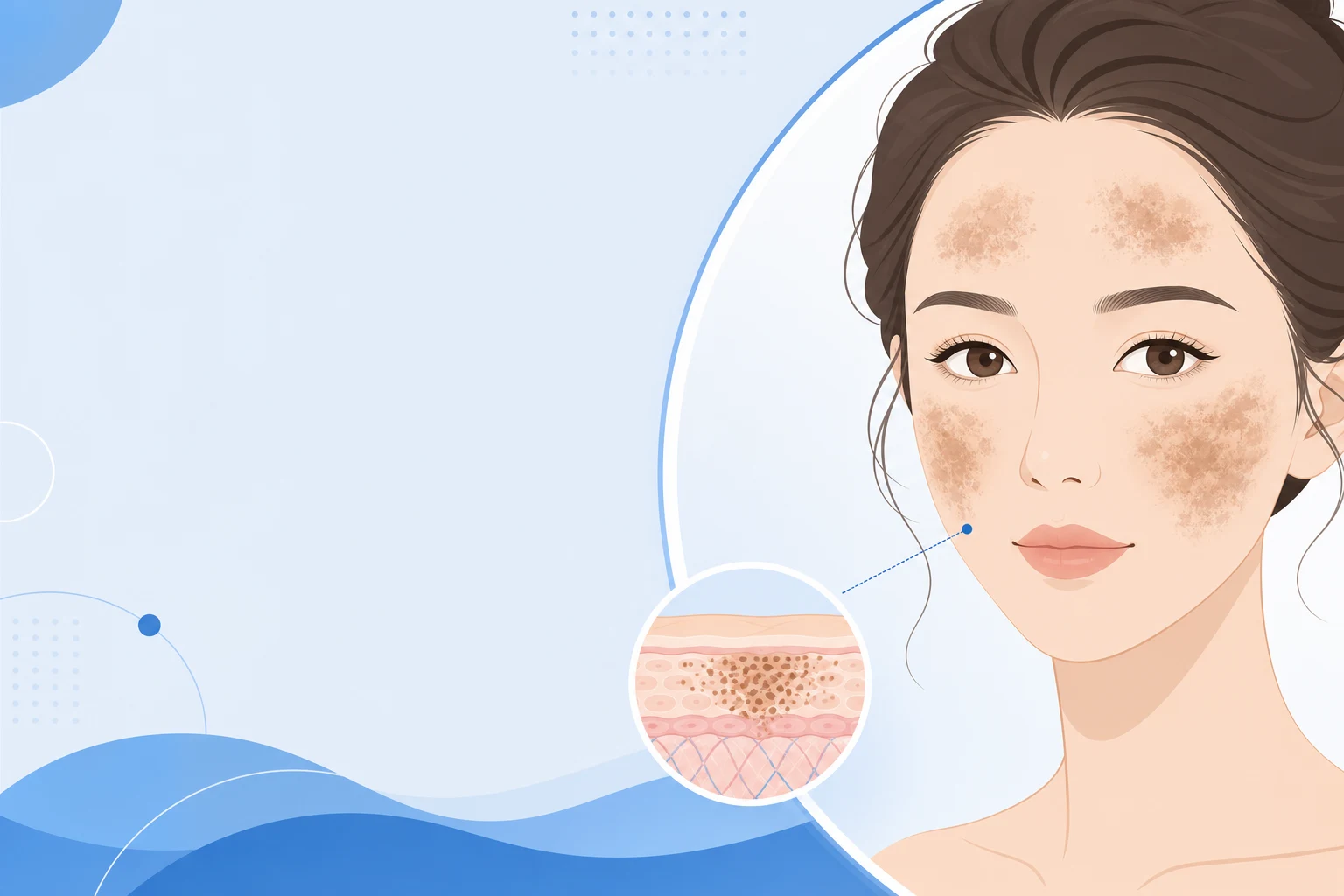
Melasma is a chronic pigmentation condition that shows up as symmetrical brown or grey-brown patches, usually on the cheeks, forehead, upper lip or jaw. It is driven by a combination of hormones, sun exposure and heat — which is why it is common, persistent, and prone to coming back. The single most important thing to understand is that melasma is managed, not cured in one go.
It is also the pigmentation most easily made worse. Aggressive lasers or strong peels can provoke rebound pigmentation that is darker and more stubborn than where you started. That is why a careful, layered, patient approach beats chasing a fast fix.
What melasma actually is
In melasma, pigment-producing cells (melanocytes) become overactive and deposit excess melanin. Depending on the person, that pigment can sit high in the epidermis, deep in the dermis, or both. This depth is decisive: epidermal pigment is more accessible and responds better, while dermal pigment is far more resistant and slow to clear.
Because melasma involves an underlying tendency rather than a one-time injury, it behaves like a chronic condition — it can settle and flare, and it needs ongoing management to stay controlled.
— Why depth matters
Where the pigment sits predicts how it responds
Epidermal
Brown pigment sits high in the skin. More accessible, generally more responsive.
Dermal
Blue-grey pigment sits deep. Stubborn — e.g. Hori's nevus — and slower to clear.
Mixed
Pigment at both depths. Needs a careful, layered plan rather than one setting.
Depth is the single biggest predictor of how pigmentation behaves. Shallow brown pigment is generally more treatable; deep blue-grey pigment is far more stubborn and needs patience and the right device. Most real pigmentation is mixed, which is why a doctor assesses depth before choosing any treatment.
What drives and worsens it
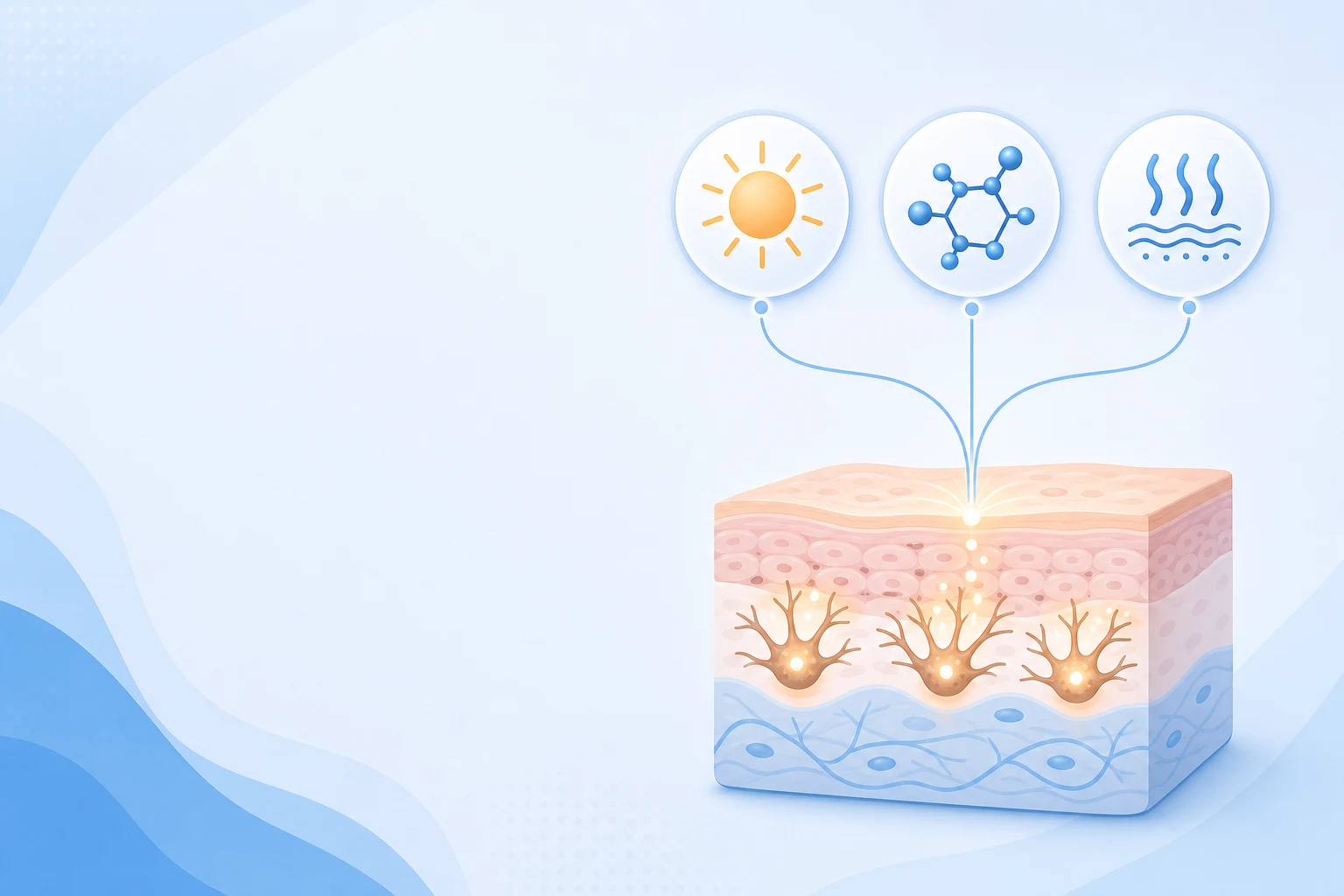
Three drivers dominate. Sun (UV and visible light) is the most universal — it directly stimulates pigment cells. Hormones matter too: pregnancy, hormonal medication and natural cycles can switch melasma on or intensify it. And heat itself — including from strong sun, hot environments and even some devices — can aggravate it, which is especially relevant in Johor Bahru's climate.
Understanding the drivers explains the treatment. If the triggers keep firing, no in-clinic treatment will hold; controlling them is the foundation everything else builds on.
Mechanism
Sun & light
UV and visible light directly stimulate pigment cells — the most universal driver.
Mechanism
Hormones
Pregnancy, hormonal medication and natural cycles can switch melasma on or worsen it.
Mechanism
Heat
Heat alone can aggravate melasma — relevant in a hot, sunny climate.
How melasma treatment works
Treatment is layered and starts gently. The base layer is rigorous daily sun protection (broad-spectrum, ideally covering visible light) plus supportive topicals — the melasma creams a doctor may prescribe to calm pigment production. For many people, this base alone produces meaningful lightening over weeks to months and is non-negotiable. Melasma is especially common in Asian skin, where over-aggressive treatment easily backfires, so the plan stays deliberately cautious.
Energy-based treatment — when used — is deliberately conservative: low-intensity, pigment-aware lasers introduced carefully, sometimes after the skin is prepared. The aim is gradual, safe lightening without provoking rebound. The exact mix depends on pigment depth, skin tone and triggers, which is why it is doctor-led.
— Comparison
Melasma — approach by layer
| Layer | What it does | Note |
|---|---|---|
| Sun protection | Removes the biggest driver | Foundation — required, daily, long-term. |
| Supportive topicals | Calm pigment production | Often the workhorse of lightening. |
| Gentle in-clinic | Cautious lasers / mild peels | Low intensity to avoid rebound. |
| Maintenance | Holds the result | Melasma relapses without it. |
Sun protection
- What it does
- Removes the biggest driver
- Note
- Foundation — required, daily, long-term.
Supportive topicals
- What it does
- Calm pigment production
- Note
- Often the workhorse of lightening.
Gentle in-clinic
- What it does
- Cautious lasers / mild peels
- Note
- Low intensity to avoid rebound.
Maintenance
- What it does
- Holds the result
- Note
- Melasma relapses without it.
Why melasma comes back
Relapse is the norm if the drivers return, not a sign treatment failed. A great summer of sun, a hormonal change, or stopping maintenance can all reawaken it. This is why doctors frame melasma as a long-term relationship with your skin rather than a single procedure.
The good news: with consistent sun discipline, supportive care and sensible maintenance, most people keep melasma faded and quiet. The work is ongoing, but it is manageable.
When to see a doctor
Because melasma is so easily worsened, it is worth getting it assessed before trying strong treatments yourself. A doctor confirms it is melasma (not sun spots or Hori's nevus, which are treated differently), gauges pigment depth, and builds a cautious plan around your triggers and skin tone.
At DrPlus in Johor Bahru, melasma is treated conservatively and honestly — with realistic expectations of control and lightening rather than a one-off cure.
Key terms
— Frequently asked
Common questions
Melasma is usually controlled rather than permanently cured, because it is driven by ongoing factors like sun, hormones and heat. With sun protection, supportive care and maintenance, most people keep it faded and quiet long-term.
Honest answer: complete melasma removal is rarely realistic, because the pigment keeps being driven by sun and hormonal factors. At DrPlus in Johor Bahru the goal is steady lightening and long-term control rather than promising total removal.
It can be, but only cautiously. Aggressive laser settings often cause rebound pigmentation that is worse than the original. When laser is used for melasma, it is low-intensity and pigment-aware, layered with sun protection and topicals.
Rigorous daily sun protection. It removes the biggest driver and is the foundation everything else builds on — without it, no other treatment holds.
Over-aggressive lasers or peels can provoke rebound pigmentation in melasma-prone skin. This is why a cautious, layered approach is the standard rather than a strong one-off treatment.
It can relapse if the triggers return — sun, hormonal changes, or stopping maintenance. Consistent sun discipline and supportive care keep it controlled over time.
— Related treatments
Continue with the relevant DrPlus treatment pages
Each page goes deeper into mechanism, suitability and recovery — your final plan is confirmed at consultation.
Primary money page
Pigmentation Treatment Hub
Doctor-led pigmentation care with a cautious melasma protocol.
melasma and pigmentation treatment in Johor BahruSupporting
Pico Laser
A lower-heat laser used cautiously for suitable pigment.
pico laser for pigmentationSupporting
Chemical Peels
Mild peels layered into a melasma plan.
gentle chemical peels for pigmentationSupporting
Laser Treatment
Where pigment lasers fit a cautious melasma plan.
laser treatment for pigmentation in Johor Bahru— Continue reading
 Melasma
What Causes Melasma? Triggers and How to Manage Them
You cannot treat melasma well without understanding what feeds it. Here are the real triggers — and why managing them is half the treatment.
 Pigmentation
Melasma vs Freckles: Photos & How to Tell Them Apart
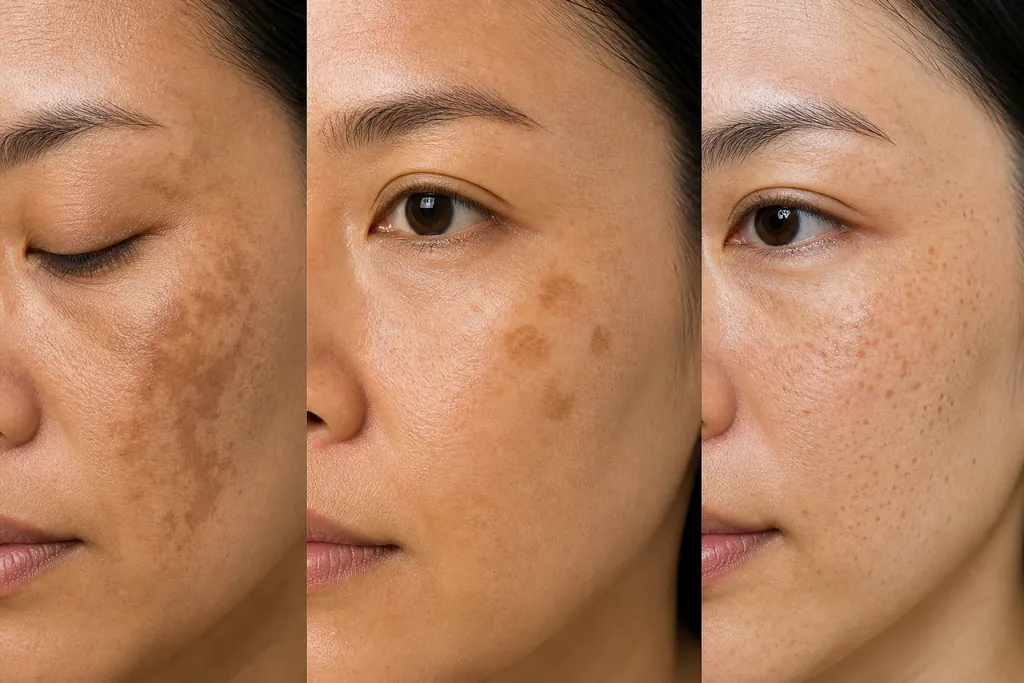
Three of the most common pigmentation patterns — and they behave very differently in treatment.
 Pigmentation
Pigmentation Aftercare: Keeping Your Results
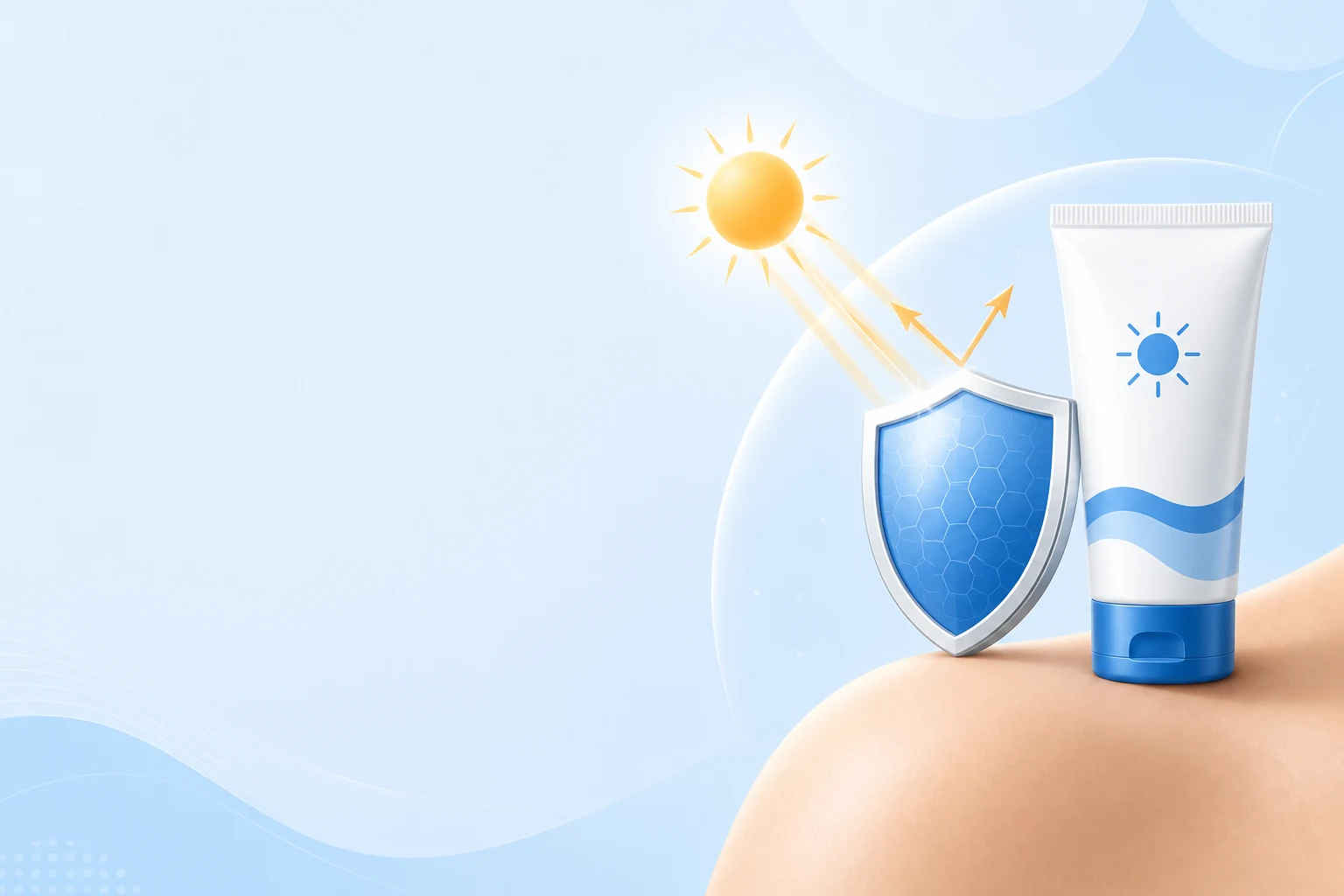
Clearing pigment is only half the job. Keeping it clear is the other half — and it comes down to a few disciplined habits.