
DrPlus Skin Education · Pigmentation
Pigmentation Aftercare: Keeping Your Results
Clearing pigment is only half the job. Keeping it clear is the other half — and it comes down to a few disciplined habits.
Quick answer
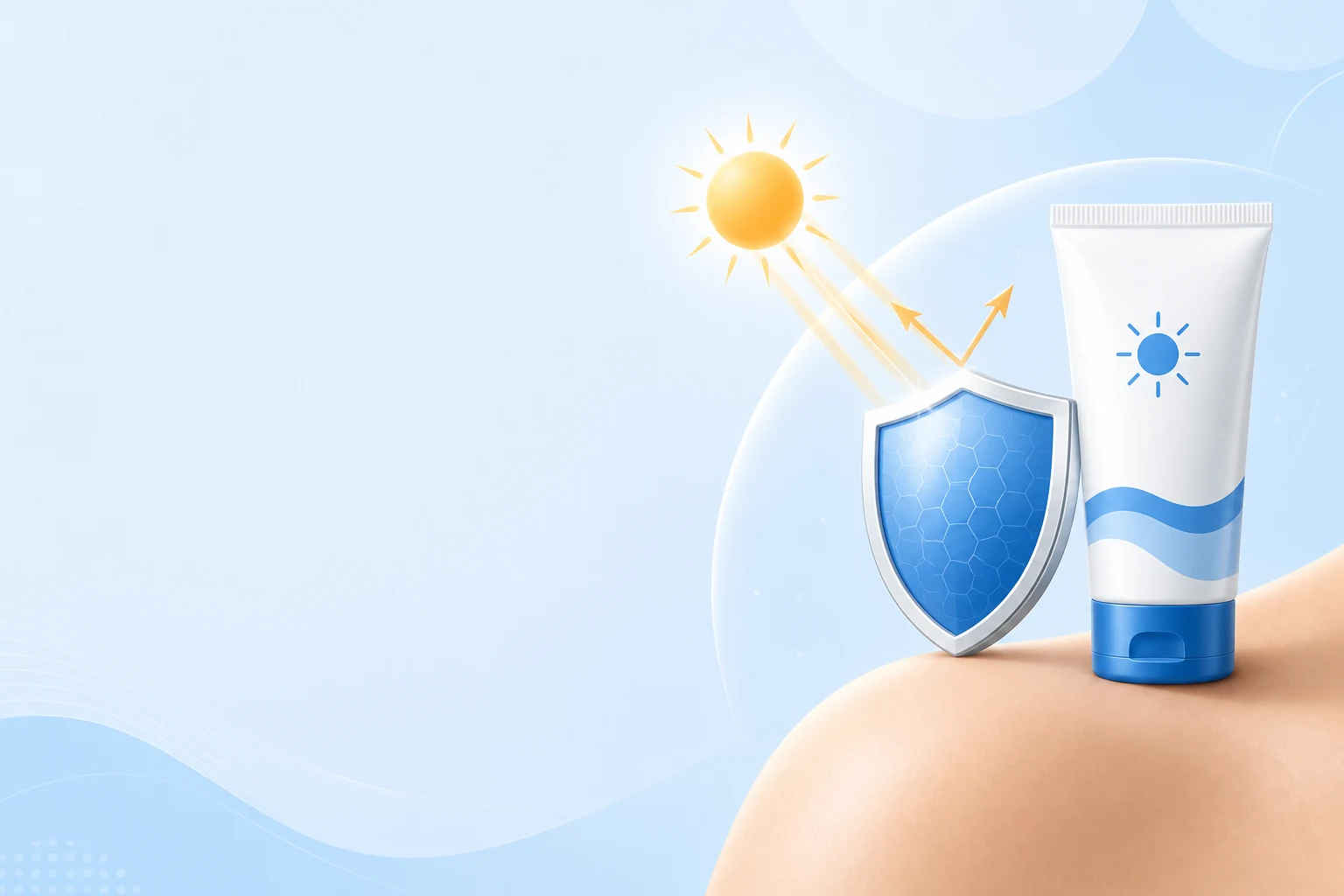
Treating pigmentation clears what is there now; aftercare stops it coming back. Because most pigmentation is driven by ongoing factors — sun above all — results are only as durable as the habits that protect them. This is why doctors treat aftercare as part of the plan rather than an afterthought.
The good news is that effective aftercare is simple and consistent rather than complicated: protect from the sun, be gentle with the skin, avoid the triggers, and maintain. Do that, and most pigmentation stays faded.
Sun protection comes first
If you do one thing, make it sun protection. UV (and visible light) reactivates pigment cells across virtually every pigmentation type — melasma, sun spots, freckles and PIH alike — and freshly treated skin is especially vulnerable. Broad-spectrum protection, applied generously and reapplied, is the foundation.
Under strong Malaysian sun, this is not optional. Unprotected skin can re-pigment within days of treatment, undoing the result you invested in. Hats, shade and sensible timing all help alongside sunscreen.
Be gentle and avoid fresh inflammation
Inflammation is a pigment trigger, so the aftercare goal is calm skin. Avoid harsh scrubs, over-exfoliation, picking and irritating actives in the early period. Support the skin barrier with gentle cleansing and moisturising, and reintroduce treatment products only as advised.
This matters especially for PIH and melasma, where new inflammation directly creates new pigment. Gentle is not passive — it is an active strategy to prevent the next mark.
— Comparison
Aftercare: do and avoid
| Do | Avoid | Why |
|---|---|---|
| Daily broad-spectrum SPF | Skipping sun protection | UV reactivates pigment. |
| Gentle cleanse & moisturise | Harsh scrubs | Irritation triggers pigment. |
| Follow the plan's actives | Random strong products | Over-treatment can cause PIH. |
| Treat acne / triggers | Picking & squeezing | Inflammation makes new marks. |
Daily broad-spectrum SPF
- Avoid
- Skipping sun protection
- Why
- UV reactivates pigment.
Gentle cleanse & moisturise
- Avoid
- Harsh scrubs
- Why
- Irritation triggers pigment.
Follow the plan's actives
- Avoid
- Random strong products
- Why
- Over-treatment can cause PIH.
Treat acne / triggers
- Avoid
- Picking & squeezing
- Why
- Inflammation makes new marks.
Maintenance keeps it holding
For relapsing conditions like melasma, periodic maintenance — supportive topicals and occasional gentle treatment — keeps pigment quiet over the long term. For sun spots, ongoing sun protection plus the occasional touch-up handles new spots. The maintenance rhythm is tailored to your pigment type.
Think of it like dental care: the big clean-up is occasional, but the daily habits and periodic check-ins are what keep things in good shape.
— Pathway
Maintaining your result
- 1
Protect daily
Broad-spectrum sun protection, every day, rain or shine.
- 2
Care gently
Barrier-friendly skincare; avoid irritation.
- 3
Control triggers
Manage acne, heat and hormonal factors where relevant.
- 4
Maintain
Periodic supportive treatment tuned to your pigment type.
- 1
Protect daily
Broad-spectrum sun protection, every day, rain or shine.
- 2
Care gently
Barrier-friendly skincare; avoid irritation.
- 3
Control triggers
Manage acne, heat and hormonal factors where relevant.
- 4
Maintain
Periodic supportive treatment tuned to your pigment type.
When to see a doctor
A doctor can tailor aftercare to your specific pigmentation and skin tone, and set a sensible maintenance schedule. If pigment is returning despite good habits, an assessment can check whether the diagnosis or plan needs adjusting.
At DrPlus in Johor Bahru, aftercare and maintenance are built into pigmentation treatment from the start.
— Frequently asked
Common questions
Because most pigmentation is driven by ongoing factors — especially sun, plus hormones, heat and inflammation. Without aftercare to manage these, pigment cells reactivate and the marks return.
Daily broad-spectrum sun protection. UV and visible light reactivate nearly every pigmentation type, and freshly treated skin is especially vulnerable, so consistent protection is the single biggest factor in lasting results.
Not immediately. Freshly treated skin should be kept calm — harsh actives and scrubs can cause inflammation and new pigment. Reintroduce stronger products only as your doctor advises.
For relapsing conditions like melasma, periodic maintenance helps keep pigment controlled. For sun spots, ongoing sun protection with occasional touch-ups is usually enough. The schedule is tailored to your pigment type.
Sun protection and gentle care matter most in the weeks immediately after treatment, but for lasting results — especially with melasma — sun protection should become a permanent daily habit.
— Related treatments
Continue with the relevant DrPlus treatment pages
Each page goes deeper into mechanism, suitability and recovery — your final plan is confirmed at consultation.
— Continue reading
 Melasma
Melasma Treatment in Singapore & Johor Bahru: A Doctor's Guide
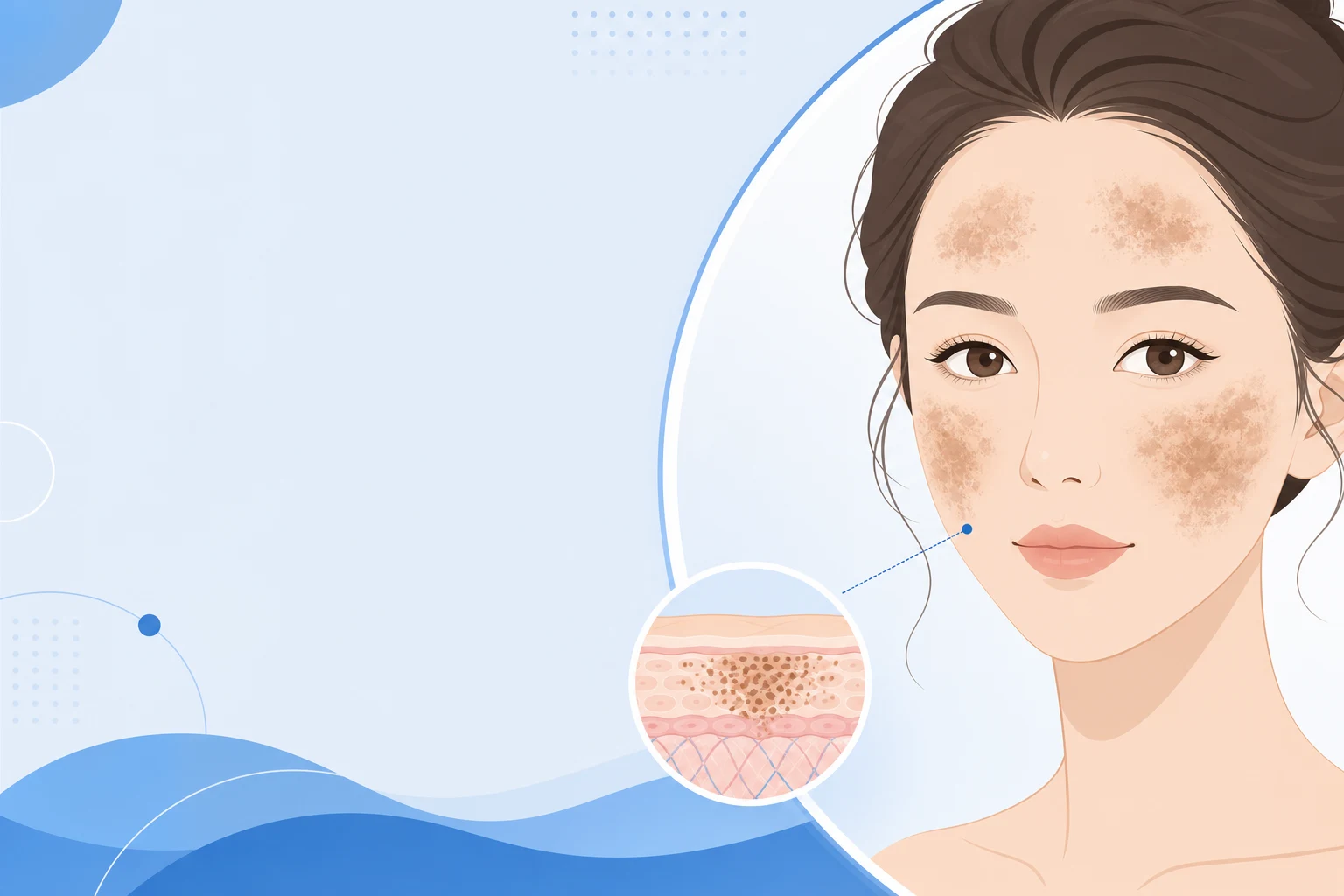
Melasma is the most misunderstood pigmentation of all — and the easiest to make worse. Here is how it is actually treated, and why patience beats power.
 Pigmentation
Sun Spots and Age Spots: Treatment in Singapore & Johor Bahru
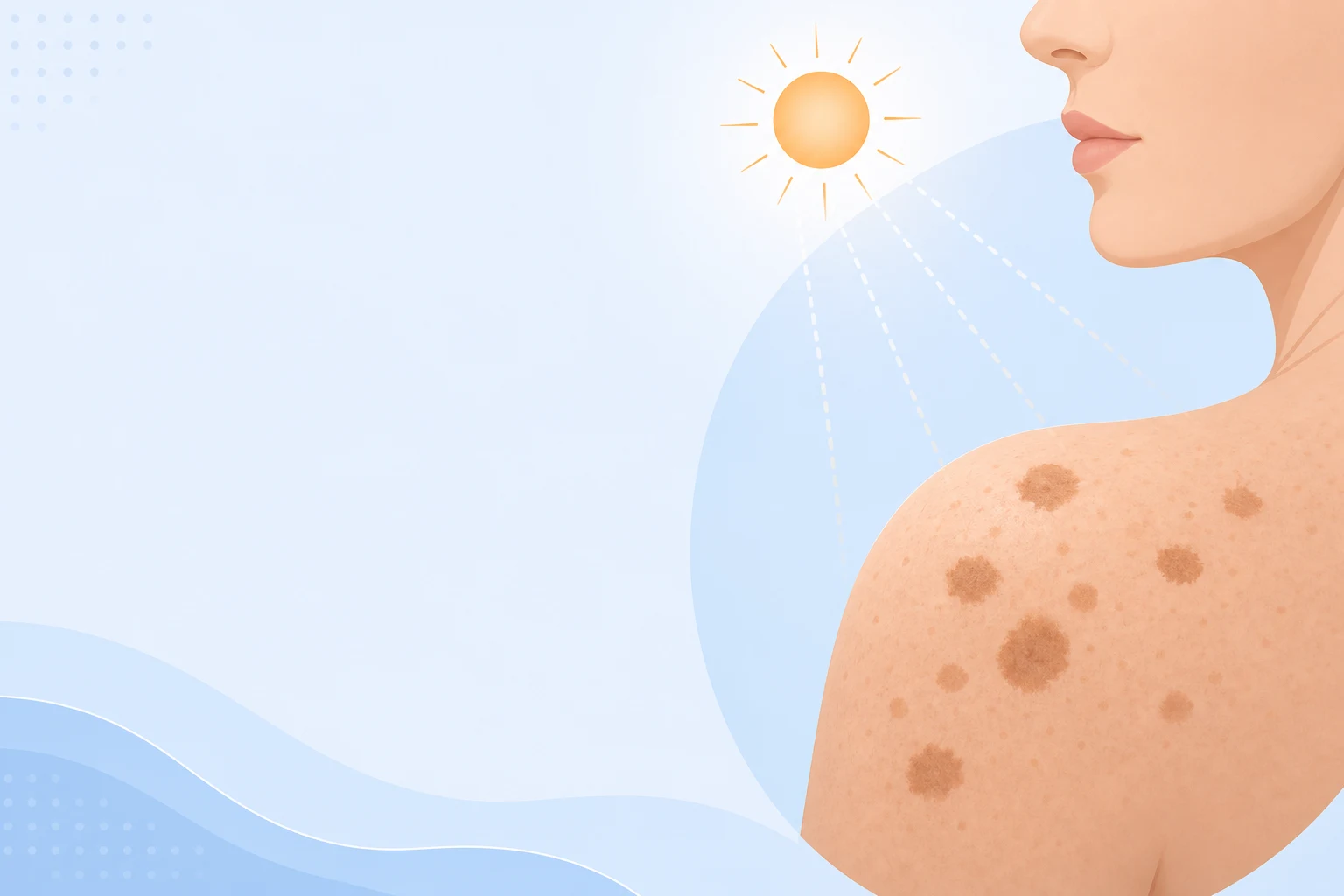
Sun spots are among the most treatable pigmentation — but only if you also stop new ones forming. Here is how they are cleared and kept away.
 Pigmentation
Post-Inflammatory Hyperpigmentation (PIH): Treatment Guide
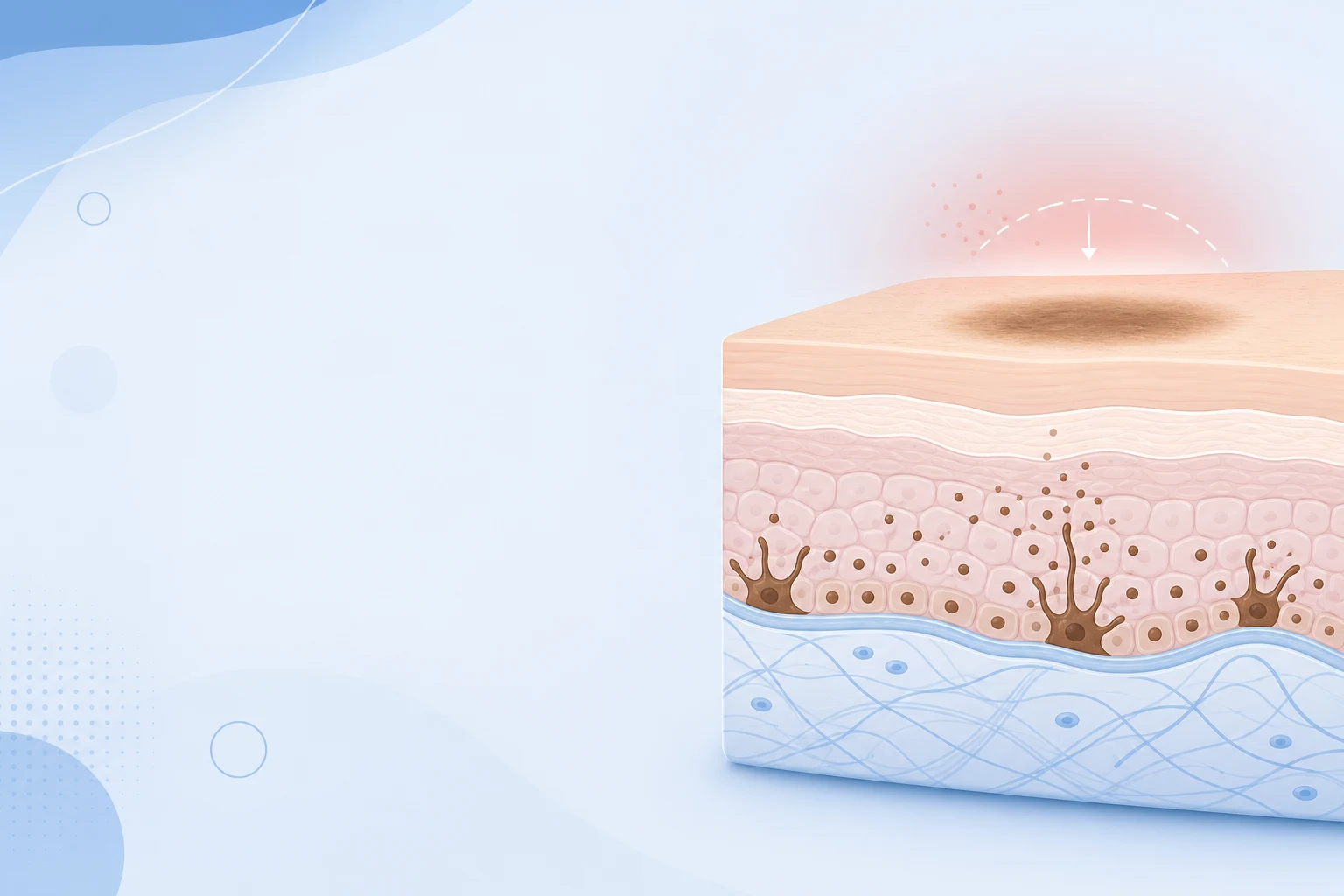
Those brown marks left after a spot heals are PIH — a pigment problem, not a scar. The good news: it fades, and the right care speeds it up.