
DrPlus Skin Education · Underarm Whitening
Underarm Whitening in Singapore & Johor Bahru: What Actually Works
Dark underarms have several causes, so 'whitening' is really about treating the right one. Here is what works, what does not, and what is realistic.

Quick answer
'Underarm whitening' is a slightly misleading name — the real task is reducing the excess pigment that makes underarms look dark, and that starts with finding the cause. Friction, repeated shaving, certain deodorants, and post-inflammatory pigmentation are common culprits, and each points to a slightly different fix.
Treatment combines addressing the cause (gentler hair removal, reducing friction, switching irritating products) with pigment-focused care such as gentle peels, supportive topicals and, where suitable, pigment-aware laser. It works gradually, and lasting results depend on changing the habits that darkened the skin in the first place.
Why underarms darken
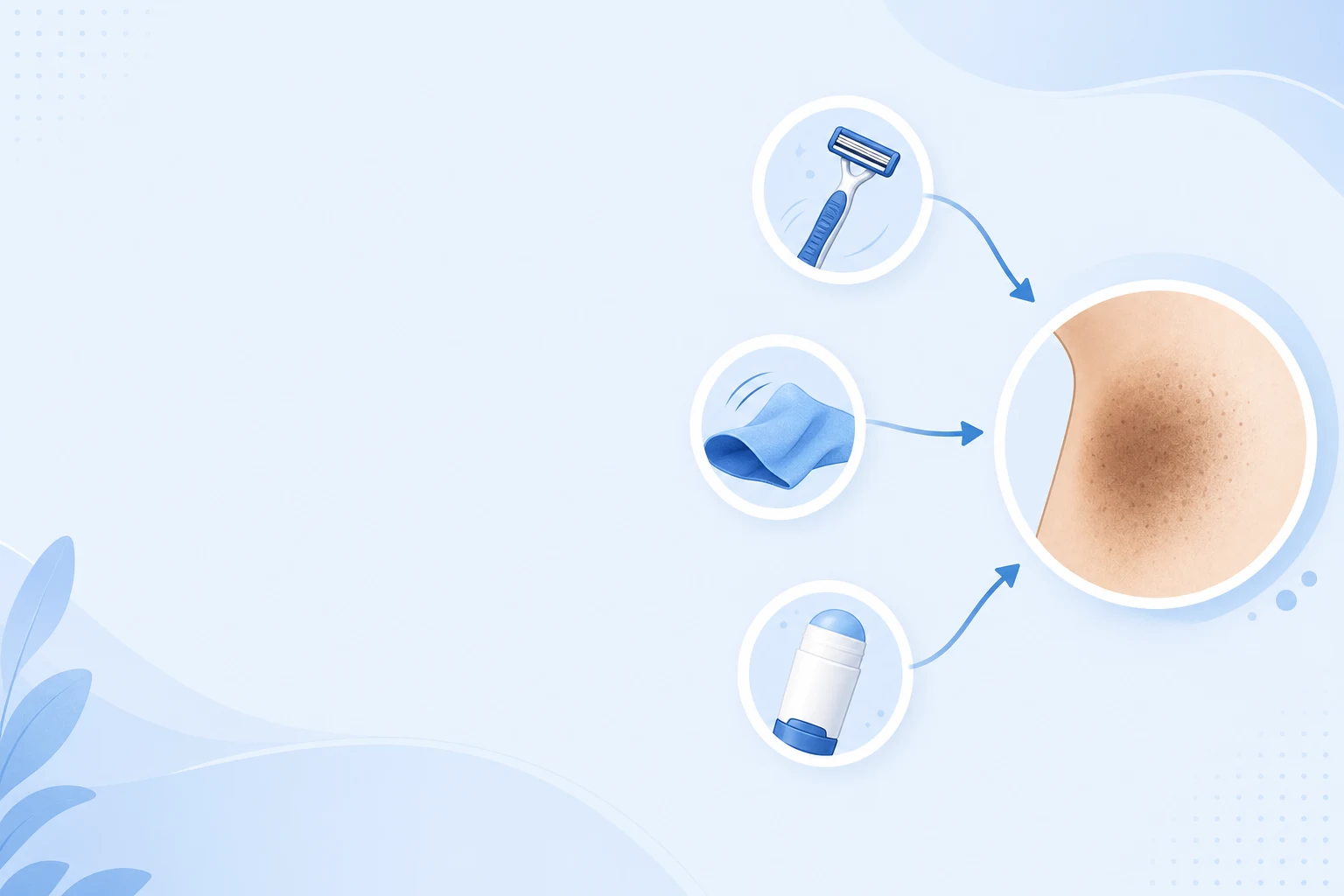
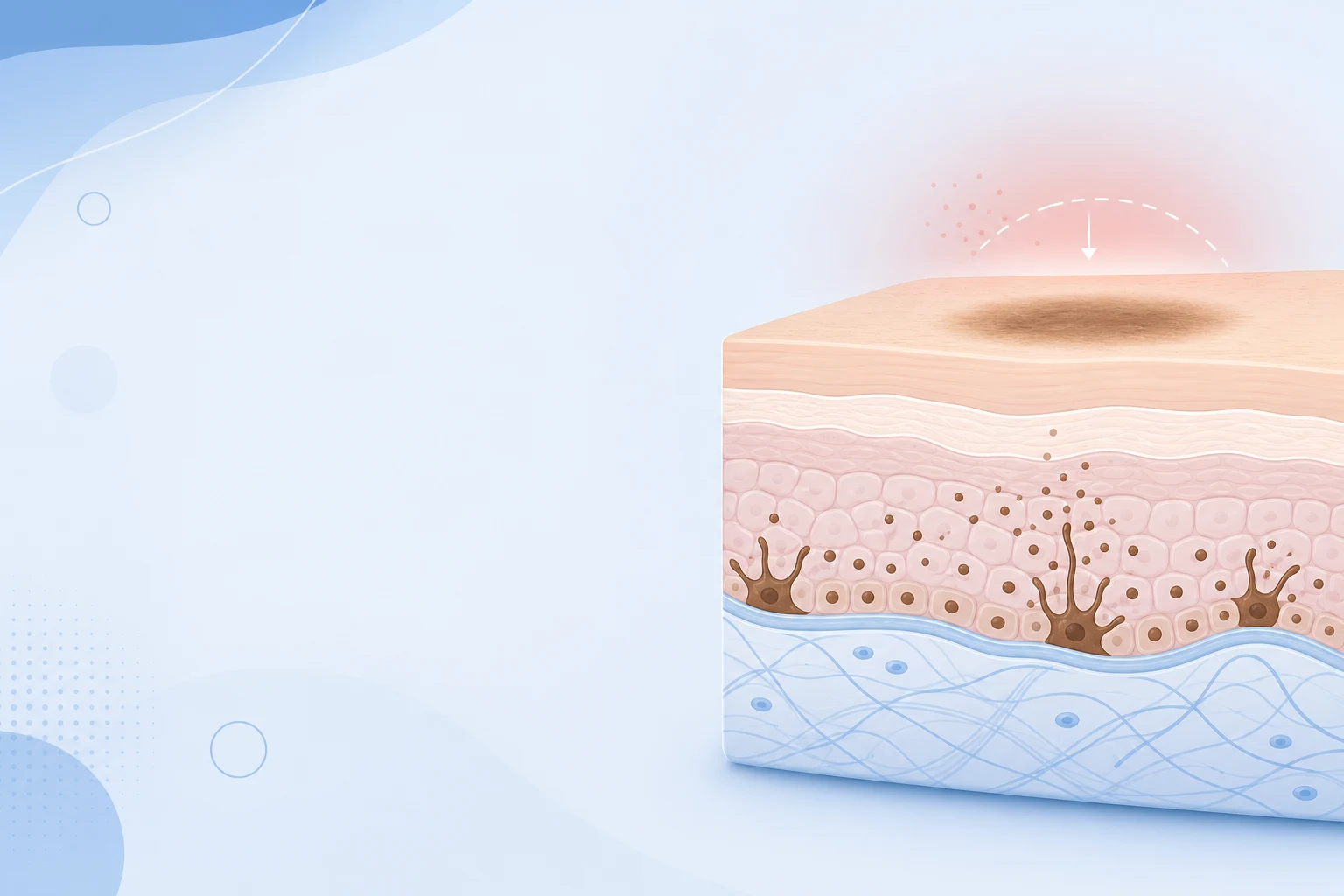
Several mechanisms overlap. Repeated friction (tight clothing, skin rubbing) and aggressive shaving cause micro-irritation that triggers pigment as the skin protects itself. Some deodorants and hair-removal creams irritate sensitive underarm skin, adding post-inflammatory pigmentation. Dead-skin build-up can make the area look dull and darker than it is. Occasionally, darkening signals a medical condition worth checking.
Because these causes are different, the smartest first move is identifying which apply to you — treating the pigment without removing the cause just invites it back.
Mechanism
Friction & shaving
Micro-irritation from rubbing and razors triggers protective pigment.
Mechanism
Irritating products
Some deodorants and hair-removal creams inflame skin, leaving marks.
Mechanism
Post-inflammatory pigment
Past irritation or ingrown hairs leave lingering darkness.
Mechanism
Build-up
Dead-skin accumulation makes the area look duller and darker.
What treatments are used
Once the cause is being managed, pigment-focused treatment can help. Gentle chemical peels exfoliate and lift surface pigment and build-up. Supportive topicals calm pigment production. Pigment-aware laser can target stubborn pigment, but as with all deeper skin tones it must be used cautiously to avoid making things worse.
The right mix depends on the cause, your skin tone and how the pigment sits. A doctor will usually start gentle and layer up, rather than reaching for the most aggressive option.
— Comparison
Underarm whitening options
| Option | Best for | Note |
|---|---|---|
| Habit change | Friction / shaving causes | Foundation — gentler hair removal, less friction. |
| Supportive topicals | Mild surface pigment | Calm pigment production over weeks. |
| Gentle peels | Build-up & surface pigment | Exfoliate and even tone gradually. |
| Pigment-aware laser | Stubborn pigment | Used cautiously in deeper skin tones. |
Habit change
- Best for
- Friction / shaving causes
- Note
- Foundation — gentler hair removal, less friction.
Supportive topicals
- Best for
- Mild surface pigment
- Note
- Calm pigment production over weeks.
Gentle peels
- Best for
- Build-up & surface pigment
- Note
- Exfoliate and even tone gradually.
Pigment-aware laser
- Best for
- Stubborn pigment
- Note
- Used cautiously in deeper skin tones.
What to expect
Improvement is gradual and cumulative — think weeks to months, not a single session. Downtime for the gentler options is minimal. The biggest factor in lasting results is whether the underlying habits change: if harsh shaving and friction continue, pigment tends to return.
The realistic goal is meaningful lightening and a more even tone, not a dramatic bleach. Skin tone is individual, and the aim is a natural, healthier-looking result.
— Relative downtime
How they compare on recovery
Supportive topicals
Minimal
No downtime; works gradually.
Gentle peel
Light
Mild flaking for a few days.
Pigment-aware laser
Light
Redness that settles; cautious settings.
Recovery profiles vary by skin, settings and aftercare. Your doctor will share what is realistic for your case.
When to see a doctor
An assessment helps pin down why your underarms are dark and which treatment fits — and rules out the less common medical causes of darkening. It also ensures laser, if used, is set conservatively for your skin tone.
At DrPlus in Johor Bahru, underarm whitening is approached cause-first, with gentle, layered treatment and realistic expectations.
— Frequently asked
Common questions
Common causes include friction, frequent or aggressive shaving, irritating deodorants or hair-removal products, post-inflammatory pigmentation and dead-skin build-up. Occasionally darkening signals a medical condition worth checking.
Yes, gradually — when the cause is addressed alongside pigment-focused care like gentle peels, supportive topicals and cautious laser. Results build over weeks to months and depend on changing the habits that darken the skin.
It can help with stubborn pigment, but in deeper skin tones it must be used cautiously to avoid worsening pigmentation. A doctor sets conservative parameters and often starts with gentler options first.
Use gentler hair removal, reduce friction from tight clothing, avoid irritating products, and exfoliate gently. Removing the cause is what keeps results lasting.
Usually weeks to a few months, since the gentler, safer approaches work gradually. The realistic goal is meaningful lightening and even tone rather than an instant bleach.
— Related treatments
Continue with the relevant DrPlus treatment pages
Each page goes deeper into mechanism, suitability and recovery — your final plan is confirmed at consultation.
— Continue reading
 Underarm Whitening
Dark Underarms: Causes and How to Treat Them
Dark underarms are usually a pigment response to irritation, not poor hygiene. Understanding the cause is the first step to lightening them.
 Pigmentation
Post-Inflammatory Hyperpigmentation (PIH): Treatment Guide
Those brown marks left after a spot heals are PIH — a pigment problem, not a scar. The good news: it fades, and the right care speeds it up.
 Pigmentation
Pigmentation Treatment in Johor Bahru: What Options Are Available?
Not all pigmentation is the same. Assessment before treatment is the difference between gradual improvement and accidental worsening.