
















Tanjong Pagar / CBD
SBF Center
Dr Plus Aesthetics Clinic Singapore (Tanjong Pagar)
160 Robinson Road #03-10
Singapore 068914
About a three-minute walk from Tanjong Pagar MRT (East–West Line); the building has a carpark.
DrPlus Singapore · Skin Procedures
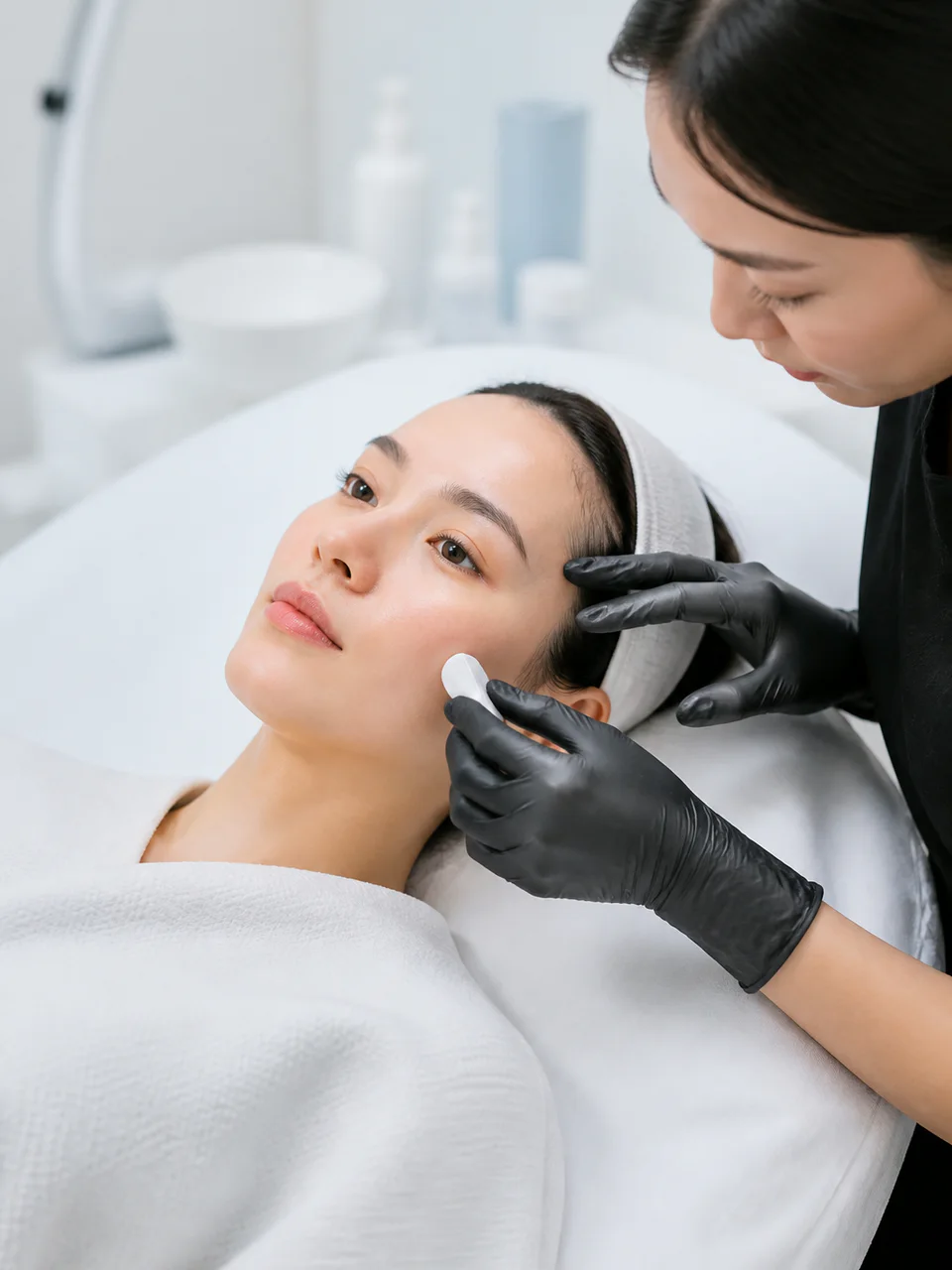
A doctor checks every mole or wart before anything is removed, then matches the method to the growth and where it sits. Many straightforward removals take a single short visit under local anaesthetic at Tanjong Pagar, East Coast or Novena. Results vary by individual.
— Who this page is for
People come to us with moles and warts for three broad reasons: how a growth looks, how it feels, or whether it should be checked. The first step is the same for all of them — a doctor looks at it properly.
A raised mole on the face that shows in photos, or one on the body that catches on a collar, bra strap or razor.
A spot that has grown, darkened, changed shape, itched or bled. Most turn out to be harmless, but a doctor should look before anything is removed.
Viral warts on the fingers, soles or face that have spread or returned after pharmacy treatments.
Moles, warts, skin tags, seborrhoeic keratoses and flat sun spots can look alike. A clear photo on WhatsApp is often enough to point you to the right pathway.
— What this involves
A mole is a cluster of pigment-producing cells; a wart is a growth caused by the human papillomavirus (HPV); a skin tag is a soft flap of skin; a sun spot is flat pigment in the top layer. They are treated differently, so the doctor's first job is to work out which one you have.
The second job is a safety check. Before removing a mole, the doctor looks at its shape, edges, colours, size and history — often with a dermatoscope, a magnifying light that shows patterns invisible to the eye. A mole with worrying features is not removed cosmetically: it is excised for laboratory testing or referred to a dermatologist, so that the rare skin cancer is diagnosed rather than destroyed.
Once a growth is confirmed suitable, the method follows its depth and location. Raised moles that sit near the surface are commonly shaved flat with fine radiofrequency or cautery, leaving a small graze that heals in one to two weeks. Moles that run deeper, or that need testing, are removed with a small excision and a few stitches. Warts are treated with cautery and sometimes need a second session, because the virus can persist in surrounding skin.
Face and body heal differently. Facial skin has a good blood supply and usually heals neatly; the chest, shoulders and back are under more tension and more prone to raised or stretched scars. Your doctor explains what to expect for your particular spot before you decide.
— What to expect on the day
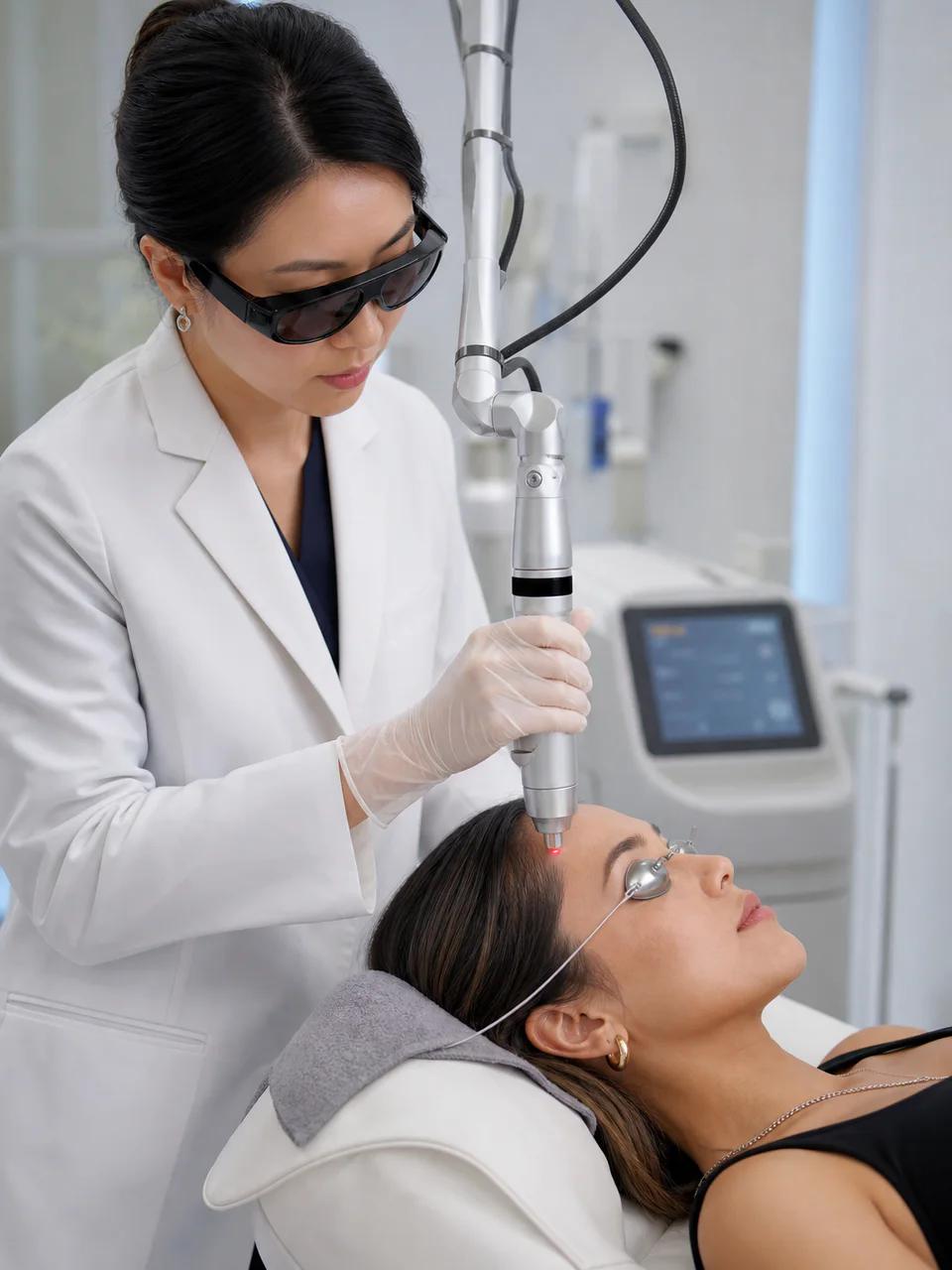
Straightforward removals usually fit into one appointment. If any growth needs testing or a different approach, the doctor explains why before going ahead.
Step 1
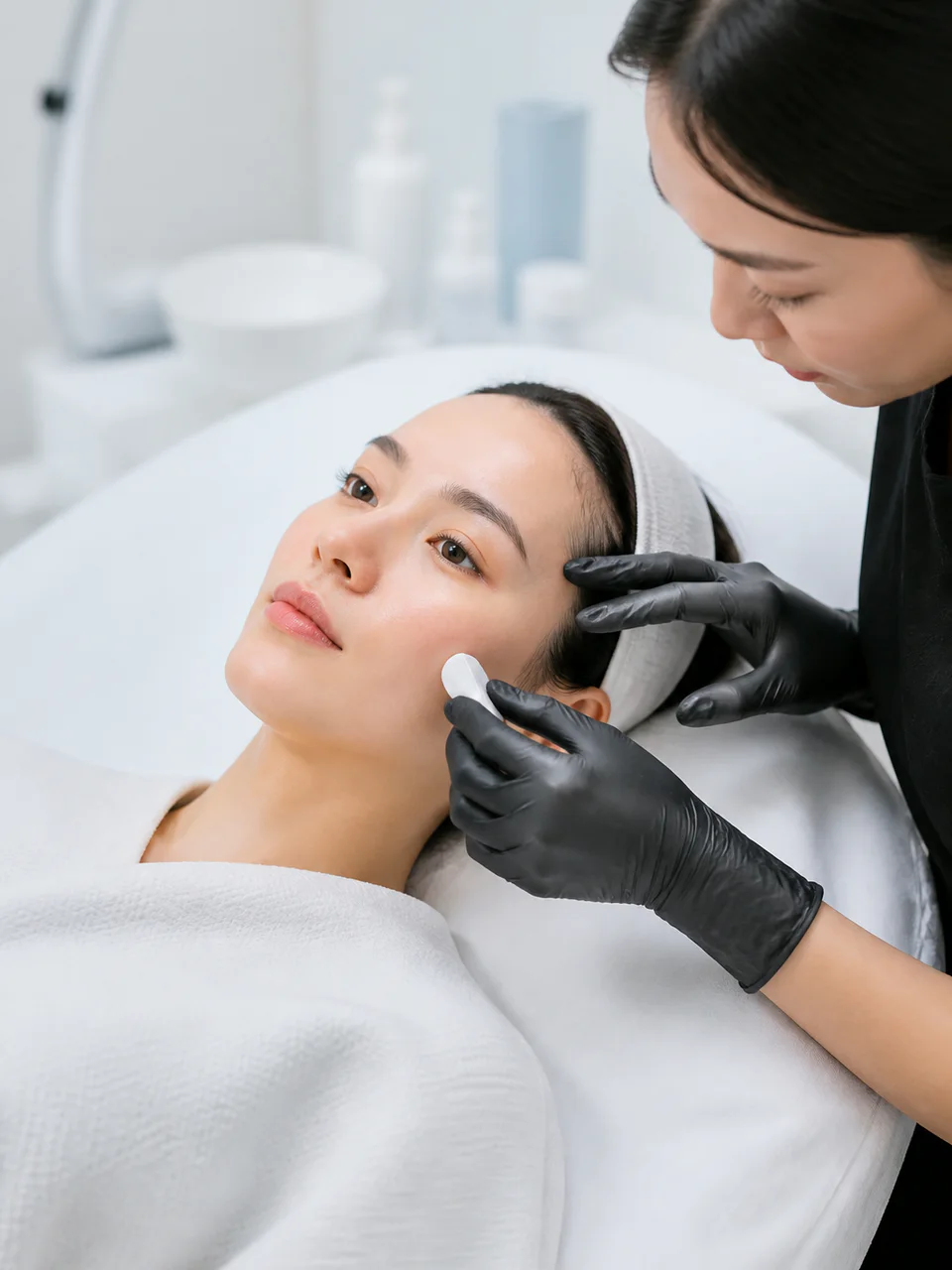
The doctor asks how long you have had each spot and whether it has changed, checks your medicines and any history of raised scars, and examines each growth, often under a dermatoscope.
Step 2
You agree which spots are being treated, the method for each, the expected mark, and whether any tissue will go to the laboratory.
Step 3
A small amount of local anaesthetic is injected under each spot. Very small superficial growths may only need numbing cream.

Step 4
Each growth is shaved, cauterised or excised according to the plan. Several small spots can often be treated in the same sitting.
Step 5
A small dressing goes on, and you leave with written wound-care instructions and, if tissue was sent, a date to discuss the result.
— What to expect
Most people go back to work the same day. The treated spot needs simple care while it heals, and sun protection afterwards so the new skin settles to a matching tone.
Clean gently once or twice a day as instructed and keep a thin layer of the recommended ointment on until the surface closes.
Picking or scratching is the most common reason a removal leaves a more noticeable mark.
Avoid pools, saunas and hard workouts while the wound is open. Desk work is usually fine straight away.
New pink skin darkens easily in Singapore's strong sun. Use sunscreen or a plaster over the spot for several weeks.

Days 1–7
A small scab or graze forms. Mild tenderness is common as the anaesthetic wears off. Facial make-up waits until the surface has closed.
Weeks 1–2
The scab lifts to reveal pink new skin. Stitches, if used, are usually removed in this window.
Months 1–3
The mark gradually fades and flattens. Deeper removals and spots on the chest, shoulders or back take longer to settle.
Healing depends on depth, method, skin type, body site and aftercare. If you tend to form raised scars, tell your doctor beforehand, as it changes the plan.
— When to get a mole checked
Doctors often use the ABCDE checklist. Having one of these features does not mean a mole is cancerous — most are not — but it means the mole should be examined before any cosmetic removal.
| Letter | What to look for | Why it matters |
|---|---|---|
| A — Asymmetry | One half looks different from the other | Ordinary moles are usually symmetrical |
| B — Border | Ragged, notched or blurred edges | Irregular edges can signal abnormal growth |
| C — Colour | Several shades of brown, black, red, white or blue | Uneven colour is a reason to look closer |
| D — Diameter | Larger than about 6 mm, or growing | Size and growth are tracked over time |
| E — Evolving | Any change in size, shape, colour, itching or bleeding | Change is often the most important sign |
— Risks & side effects
Removal is a minor procedure and serious problems are uncommon. The main trade-off is the mark left behind, which your doctor discusses for your specific spot.
— Choosing a clinic
These questions are reasonable to ask at any clinic, including ours.
— Compared with alternatives
Some growths do not need removal at all, and some can be treated without a procedure. The table shows the main options.
| Option | Suited to | Points to know |
|---|---|---|
| Leave it and monitor | Ordinary moles that do not bother you | Photograph it and recheck if it changes |
| Pharmacy wart treatments | Small, common warts | Salicylic acid or freezing kits; take weeks; not for the face or genitals |
| Cryotherapy (freezing) | Warts | Often needs repeat sessions; can blister and lighten skin |
| Shave or cautery removal | Raised moles and warts | Short procedure; small mark; some regrowth possible |
| Excision | Deeper moles, or moles needing testing | Full removal and testing; fine line scar with stitches |
| Mole removal creams | Not recommended | Unregulated products can burn the skin and do not allow testing |
— Why DrPlus
Medical assessment first, and a method chosen for how the skin will heal.
A doctor checks each mole before removal, and anything that looks unusual is tested or referred rather than removed cosmetically.
Shave, cautery or excision is chosen for the growth's depth and site, with an honest view of the likely mark.
WhatsApp a clear photo first for a preliminary view, then decide whether to book.
Tanjong Pagar, East Coast and Novena, with the same doctor-led standard at each.

Ready to discuss your skin?
Book a doctor-led assessment tailored to your concerns.
— Fees & quotes
We do not publish a fixed price list because every growth is different. The quote depends on how many spots you want addressed, their size and depth, the method needed, the body site, and whether same-day removal is suitable after assessment.
The fastest start: WhatsApp us clear photos. We can usually indicate what removal would involve before you visit either Singapore clinic, then confirm a personalised written quote at your assessment — with no obligation to proceed.
— Related treatments
Skin tags, flat pigment and raised scars are related but different problems, each assessed at consultation.

The dedicated pathway for skin tags, often several removed in one visit.
Learn More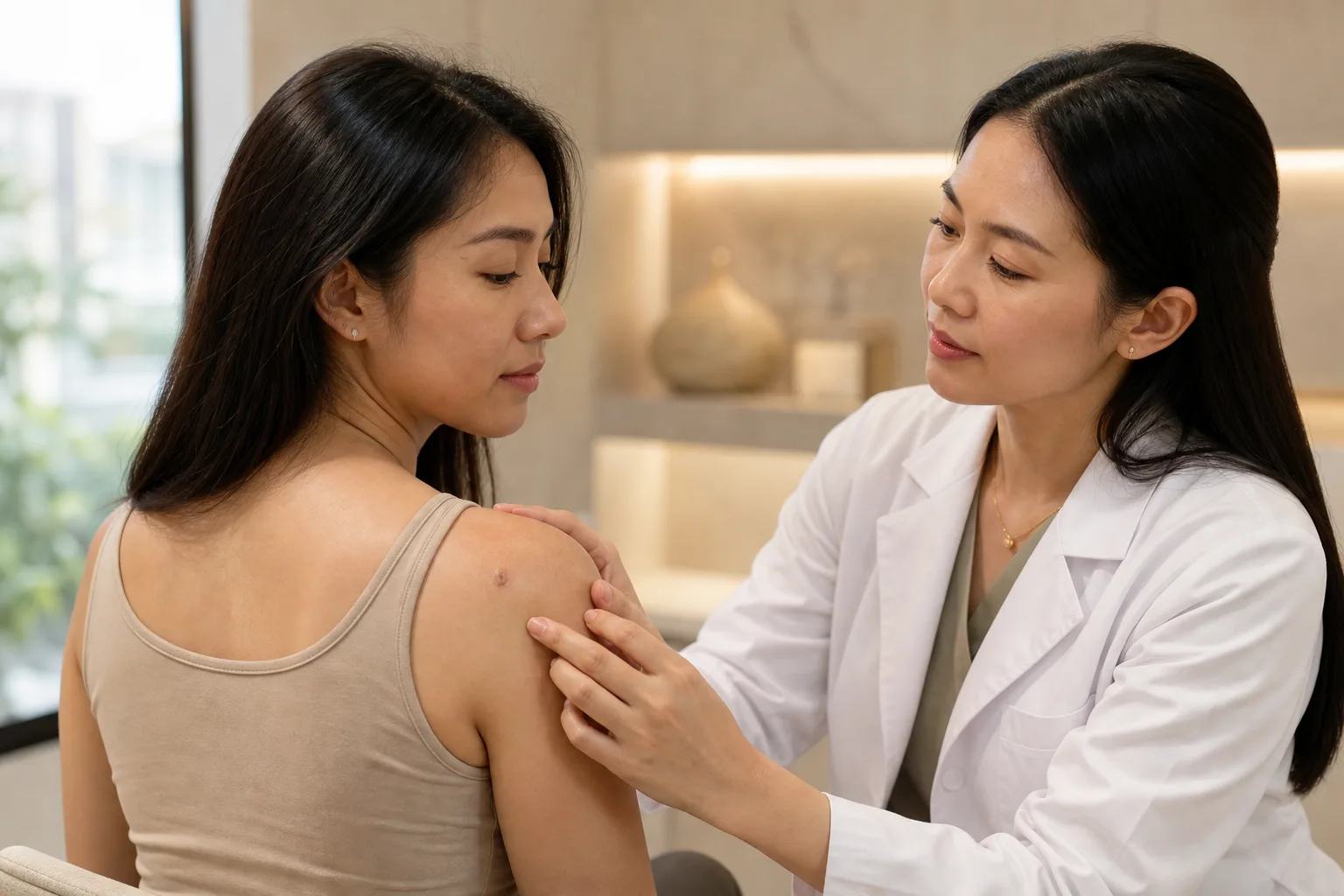
If a previous removal or injury healed into a raised scar, it is treated on the keloid pathway.
Learn More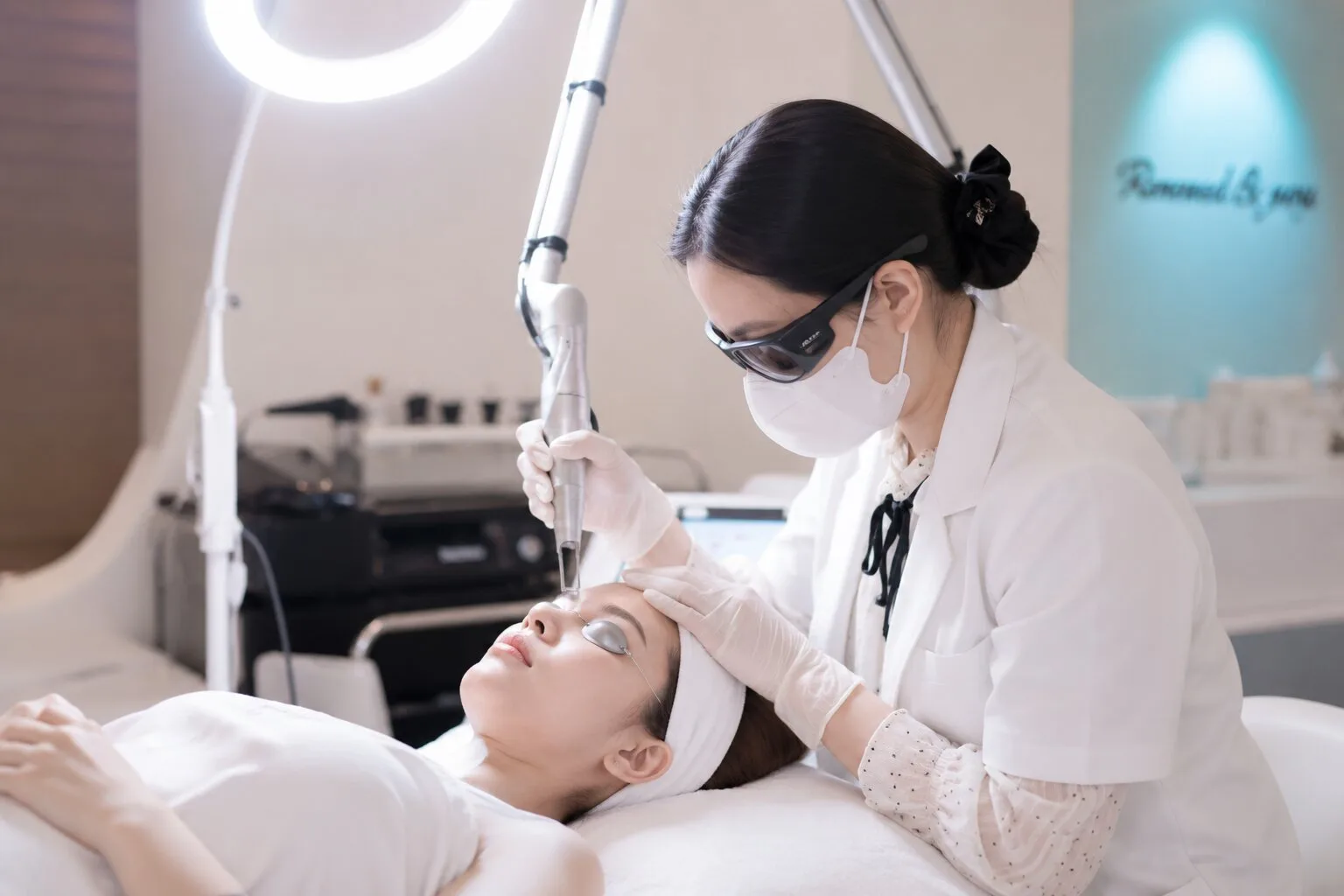
Sun spots and freckles are flat pigment, not moles, and are treated differently.
Learn MoreHow to tell the three apart, and why it changes the treatment.
Learn MoreWhy skin tags form, where they appear, and when to have one looked at.
Learn MoreWound care, sun protection and what is normal while a small removal heals.
Learn More— Our Singapore clinics
Consultations and treatments are available at all three clinics — choose whichever is more convenient: the Tanjong Pagar CBD, Katong on the East Coast, or the Novena medical district.
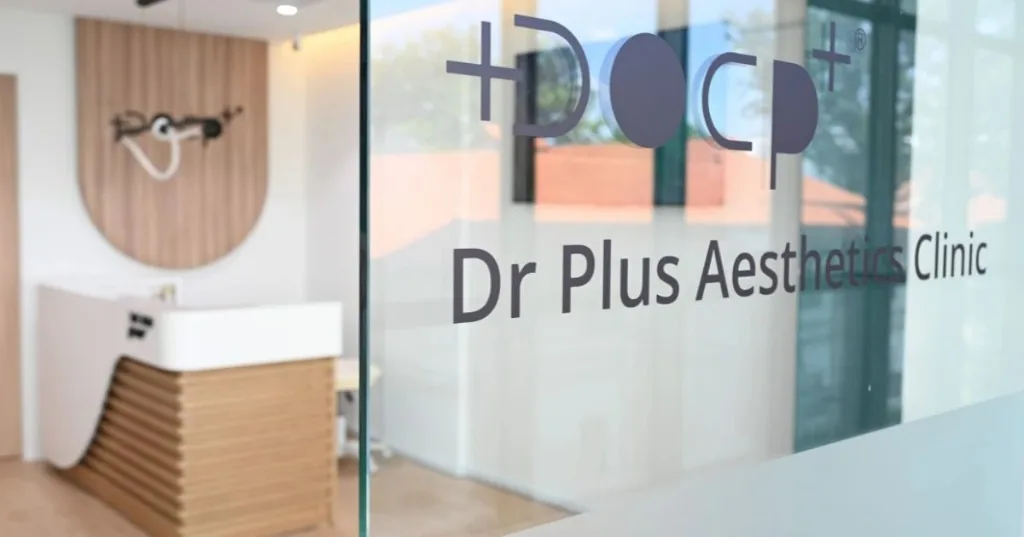
Tanjong Pagar / CBD
Dr Plus Aesthetics Clinic Singapore (Tanjong Pagar)
160 Robinson Road #03-10
Singapore 068914
About a three-minute walk from Tanjong Pagar MRT (East–West Line); the building has a carpark.
East Coast / Katong
Dr Plus Aesthetics Clinic (East Coast)
66 East Coast Road #03-05
Singapore 428778
A short walk from Marine Parade MRT (Thomson–East Coast Line); The Flow Mall has a carpark.
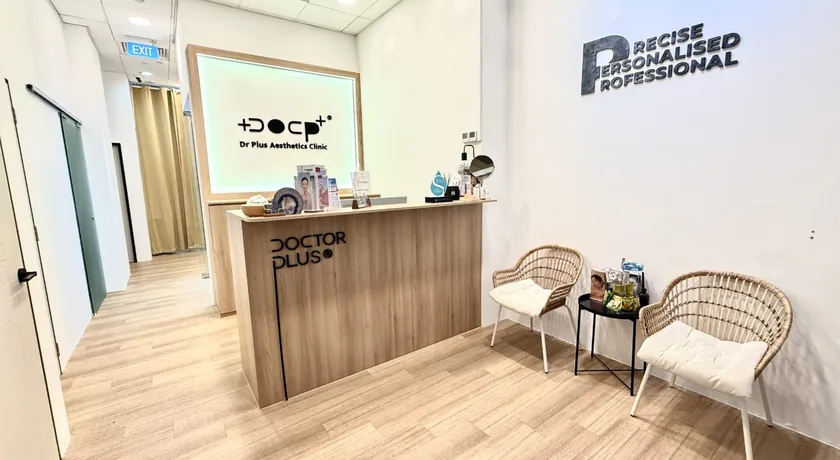
Novena
Dr Plus Aesthetics Clinic (Novena)
10 Sinaran Drive #10-30
Singapore 307506
A short sheltered walk from Novena MRT (North–South Line); Novena Medical Centre has a carpark.
— FAQ
Some mark is unavoidable, but it is usually small. A shaved facial mole often heals as a flat, slightly pale spot; an excision leaves a fine line a little longer than the mole. Depth, body site, your skin's healing tendency and sun protection all affect the result, and your doctor gives you a realistic expectation before starting.
We do not publish prices because the quote depends on the number of growths, their size and depth, the method needed, and the site. WhatsApp us a photo and we can usually indicate what removal would involve; a personalised written quote follows your assessment.
The same factors apply as for moles: how many warts there are, their size and location, and whether stubborn viral warts need more than one session. Because warts can spread, treating all visible warts in a planned way is often more economical than removing them one at a time. A personalised written quote follows your assessment.
Lasers are mainly used for flat pigment such as sun spots and freckles. Raised moles are usually shaved with radiofrequency or cautery, and deeper moles are excised. Lasering a mole without a proper check is discouraged, because it destroys the tissue that would be needed to test it.
Use the ABCDE checklist: asymmetry, irregular border, uneven colour, a diameter over about 6 mm, and any change over time. Bleeding, itching or a new mole after age 30 are also reasons to have it seen. Most of these turn out to be harmless, but a doctor should decide that.
If the doctor sees any unusual feature, or you would like confirmation, the tissue is sent for testing and the result is discussed with you. Clearly ordinary growths removed for appearance are not always sent. Your doctor explains which applies before the procedure.
Yes, they can. Warts are caused by a virus that can remain in nearby skin, so new warts can appear even after visible ones are cleared. Treating every visible wart in the same plan, avoiding picking, and keeping feet dry in shared showers helps reduce recurrence.
The local anaesthetic injection stings briefly; after that the removal is usually comfortable. Most people return to desk work the same day, with mild tenderness for a day or two.
We see patients at SBF Center, 160 Robinson Road #03-10, in the Tanjong Pagar CBD (call +65 8851 9547), The Flow Mall, 66 East Coast Road #03-05, in Katong on the East Coast (call +65 8857 4917), and Novena Medical Centre, 10 Sinaran Drive #10-30, in Novena (call +65 8851 9505). All three clinics offer the same doctor-led consultations, so you can choose whichever location is more convenient.
SBF Center on Robinson Road is about a three-minute walk from Tanjong Pagar MRT (East–West Line) in the CBD, The Flow Mall on East Coast Road in Katong is a short walk from Marine Parade MRT on the Thomson–East Coast Line, and Novena Medical Centre on Sinaran Drive is a short sheltered walk from Novena MRT on the North–South Line. If you drive, all three buildings have carparks, with further public parking nearby.

— Request a Consultation
Send two clear photos of the growth, hear what removal would involve, then book an assessment at Tanjong Pagar, East Coast or Novena if it makes sense. No obligation.
— Skin Education
Doctor-led guides written to help you understand your options before consultation. Each article links back to the relevant treatment pages.
Mixing up a mole, a skin tag, and a wart is how people end up with the wrong treatment. A doctor explains how each growth differs and which removal pathway fits.
Healing after mole removal depends on how the mole was removed and where it was. A doctor explains the timeline, scar care and when to get in touch.
Good aftercare is most of the difference between a spot that disappears and a mark that lingers. A doctor's guide to the two weeks after skin tag removal.
Small, soft, and oddly persistent — skin tags are among the most common skin growths. A doctor explains what they are, why they form, and when removal makes sense.
Both are raised scars — but one stays inside the wound boundary and one keeps growing beyond it. The distinction changes the entire treatment plan.
— Methods compared
The tool depends on what the growth is, how deep it goes, and where it sits. Your doctor recommends a method after examining the spot.
Raised, shallow moles
A fine radiofrequency tip shaves a raised mole level with the skin, sealing small blood vessels as it goes.
Warts and small growths
Controlled heat destroys wart tissue and certain small superficial growths.
Deeper moles or testing
The whole mole is cut out with a small margin and closed with fine stitches, which also allows laboratory testing.
Flat spots, not moles
Flat freckles and sun spots are surface pigment rather than moles, and are usually treated with pigment laser instead.
A soft, stalk-like growth on the neck, underarms or groin is more likely a skin tag, which has its own pathway. The doctor confirms which category your growth belongs to first.
Medical disclaimer
Information on this page is for general education only and does not replace a consultation with a qualified medical practitioner. Suitability, downtime, risks, and results vary by individual. Please consult your doctor before deciding on any treatment. Read the full medical disclosure.
A QUICKER SCROLL
Clinic life, in short clips
Take a breather from the detail — swipe through Facebook and TikTok moments from DrPlus, then continue when you're ready to book.