
DrPlus Skin Education · Singapore
Pigmentation Treatment in Singapore: Melasma, Sun Spots & Freckles Explained
Not all brown spots are the same problem. Melasma, sun spots, freckles and post-inflammatory marks need different plans — and the wrong laser can make melasma worse.
Why pigmentation treatment starts with diagnosis, not a laser
"Pigmentation" is a category, not a diagnosis. Melasma, solar lentigines (sun spots), freckles, post-inflammatory hyperpigmentation (PIH) and dermal conditions like Hori's nevus all present as brown marks — but they sit at different depths, have different drivers, and respond to different treatments. Two patients with visually similar cheeks can need entirely different plans.
This is why a doctor's assessment carries real weight here. Pigment depth (epidermal, dermal or mixed), your hormonal picture, medication history, and how your skin responds to inflammation all shape what is safe and what will work. The costliest mistake in pigmentation care is treating the wrong diagnosis confidently.
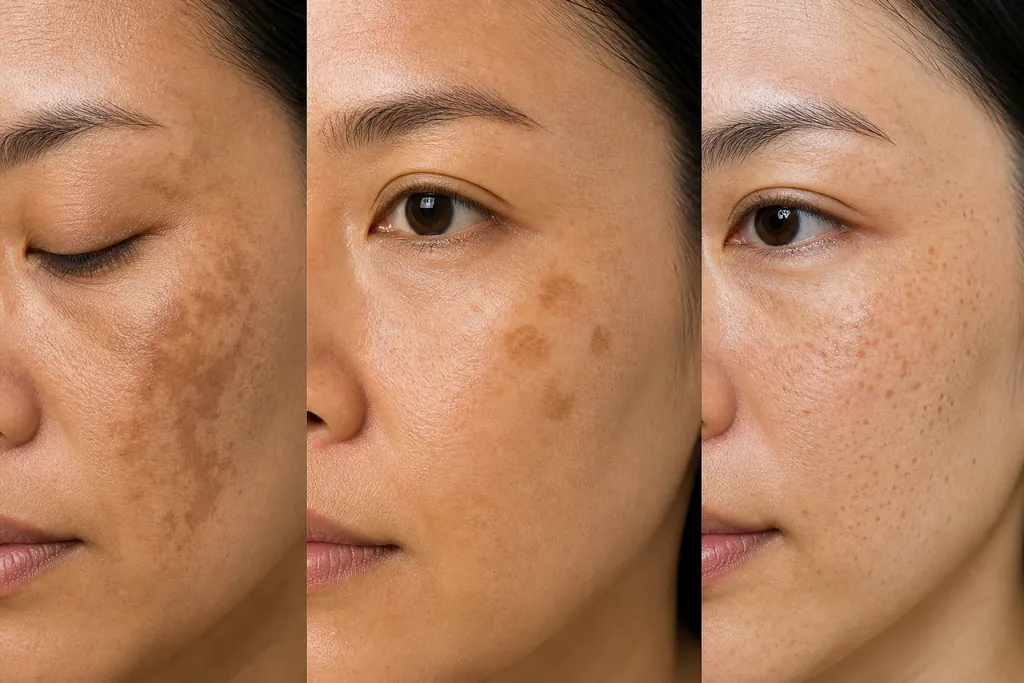
Melasma
Symmetrical patches, often on the cheeks, forehead or upper lip. Strongly hormone- and sun-influenced.
Cautious, lower-intensity protocols are the norm
Sun spots
Flat, well-defined dark marks caused by cumulative sun exposure — most common on face, hands and chest.
Often responsive to pigment lasers with sun discipline
Freckles
Small, lighter brown spots — often genetic. Tend to darken with sun and fade with consistent sun protection.
Gentle approaches when treatment is wanted
Melasma: the case where aggressive treatment backfires
Melasma — symmetric brown patches commonly across the cheeks, forehead or upper lip, often hormonally driven — deserves its own section because it punishes the standard 'stronger is better' instinct. Overly aggressive laser can inflame the melanocytes that drive melasma, causing rebound pigmentation darker than the starting point.
Managed properly, melasma improves: low-energy pico laser protocols (sometimes called laser toning), pigment-regulating topicals, oral options in selected cases, and non-negotiable daily sun protection. Equally important is the framing — melasma is controlled and maintained rather than permanently erased, and honest clinics set that expectation on day one.
Where pico laser fits in Singapore pigmentation care
Picosecond lasers deliver energy in ultra-short pulses that shatter pigment particles photoacoustically — mechanically, with less heat spread into surrounding skin than older nanosecond (Q-switched) technology. Less collateral heat matters in Asian skin, where excess inflammation readily converts into new pigment (PIH).
For discrete sun spots and freckles, treated spots typically darken within days, then flake away over one to two weeks — that darkening is the treatment working, not failing. Diffuse, deeper or mixed pigment is treated more gradually across a course, commonly 4–8 sessions spaced weeks apart, with the doctor adjusting energy as the skin responds.
— Mechanism
Ultra-short pulses shatter pigment, not skin
Before
Excess pigment sits in clumps that are too large for the body to clear on its own.
After pico pulses
A photoacoustic pressure wave breaks the pigment into dust-fine particles your immune system gradually flushes away.
Because pico pulses are measured in trillionths of a second, they rely more on this shattering effect than on heat — which helps lower the pigmentation risk that older heat-based lasers carry in deeper skin tones.
A realistic pigmentation timeline
Pigment fades in layers, not overnight. The pattern most patients experience: brief darkening and flaking of treated spots in the first two weeks, visible lightening across the first one to two months, and cumulative improvement across the course as deeper pigment is progressively cleared. Some pigment types — melasma especially — then move into a maintenance phase.
Two things protect the result: sun protection and patience. Singapore sits near the equator with high UV year-round; a single unprotected week outdoors can redeposit pigment that took months to clear. Daily broad-spectrum sunscreen is not aftercare advice — it is half the treatment.
— Healing timeline
How pigment typically responds
Days 1–14
Darken & flake
Treated spots darken briefly, then flake away — expected, not a complication.
Weeks 2–8
Visible lightening
Cleared pigment reveals more even tone; the doctor reviews response before the next session.
Across the course
Cumulative clearing
Deeper and diffuse pigment fades progressively over 4–8 sessions.
Ongoing
Protect & maintain
Daily sunscreen holds the result; melasma may need periodic maintenance.
A general guide only. Individual healing speed varies with skin type, scar depth, aftercare and the treatment used.
Cost factors, and choosing a pigmentation clinic in Singapore
Pigmentation treatment cost in Singapore scales with the diagnosis: a few discrete sun spots need far fewer sessions than diffuse melasma with mixed-depth pigment. Session count, the technology used, and whether topical or oral therapy accompanies the laser all shape the total — which is why a written plan after diagnosis is worth more than any advertised per-session price.
Screening questions that separate diagnosis-led clinics from device-led ones: Will a doctor name your pigment type before proposing treatment? Do they treat melasma with a specific low-energy protocol? Do they talk about sun protection and maintenance unprompted? DrPlus runs diagnosis-first pigmentation consultations at its Singapore clinics in Tanjong Pagar and East Coast.
— Frequently asked
Common questions
It depends on the type. Discrete sun spots and freckles can clear well and stay clear with sun protection, though new ones can form with ongoing UV exposure. Melasma is controlled and maintained rather than permanently erased — it can recur with hormones and sun. A doctor's diagnosis tells you which situation applies to you.
Discrete spots may clear in as few as one to three pico laser sessions; diffuse or mixed pigment commonly takes 4–8 sessions spaced weeks apart. Melasma follows a gentler, longer protocol. Your response is reviewed as the course progresses.
Yes, with appropriate technology and settings. Asian skin pigments easily after inflammation, so picosecond lasers — which shatter pigment with less heat spread — plus conservative energy settings and strict sun protection are the standard safeguards. Medical supervision matters more here, not less.
Brief darkening and flaking of treated spots in the first two weeks is the normal clearing process. Darkening that persists or spreads may be post-inflammatory hyperpigmentation or rebounding melasma — both reasons to review with your doctor promptly, and both reasons melasma needs its own low-energy protocol from the start.
DrPlus offers diagnosis-first pigmentation consultations and pico laser treatment at its Singapore clinics in Tanjong Pagar (SBF Center) and East Coast (The Flow Mall). You can WhatsApp a clear photo of your pigmentation first and the doctor will advise what assessment would involve.
— Related treatments
Continue with the relevant DrPlus treatment pages
Each page goes deeper into mechanism, suitability and recovery — your final plan is confirmed at consultation.
— Continue reading
 Pigmentation
Melasma vs Sun Spots vs Freckles: How Pigmentation Differs
Three of the most common pigmentation patterns — and they behave very differently in treatment.
 Pigmentation
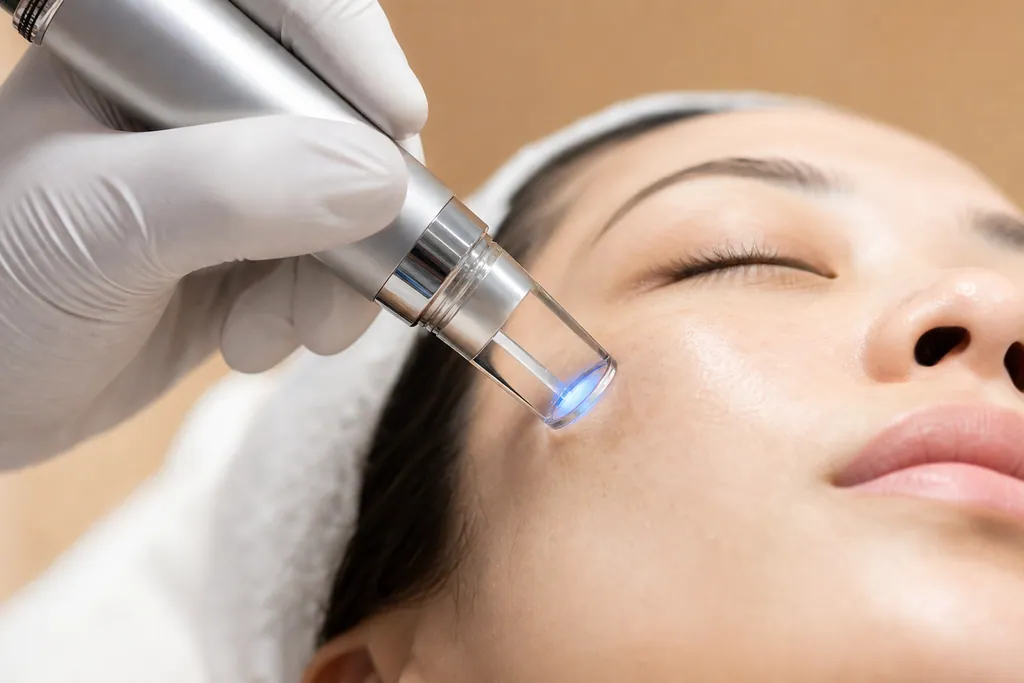
Pico Laser Treatment for Pigmentation: What It Does and Who It May Suit
Pico laser is one of the most discussed pigment treatments — and one of the most over-promised. Here is how to think about it.
 Melasma
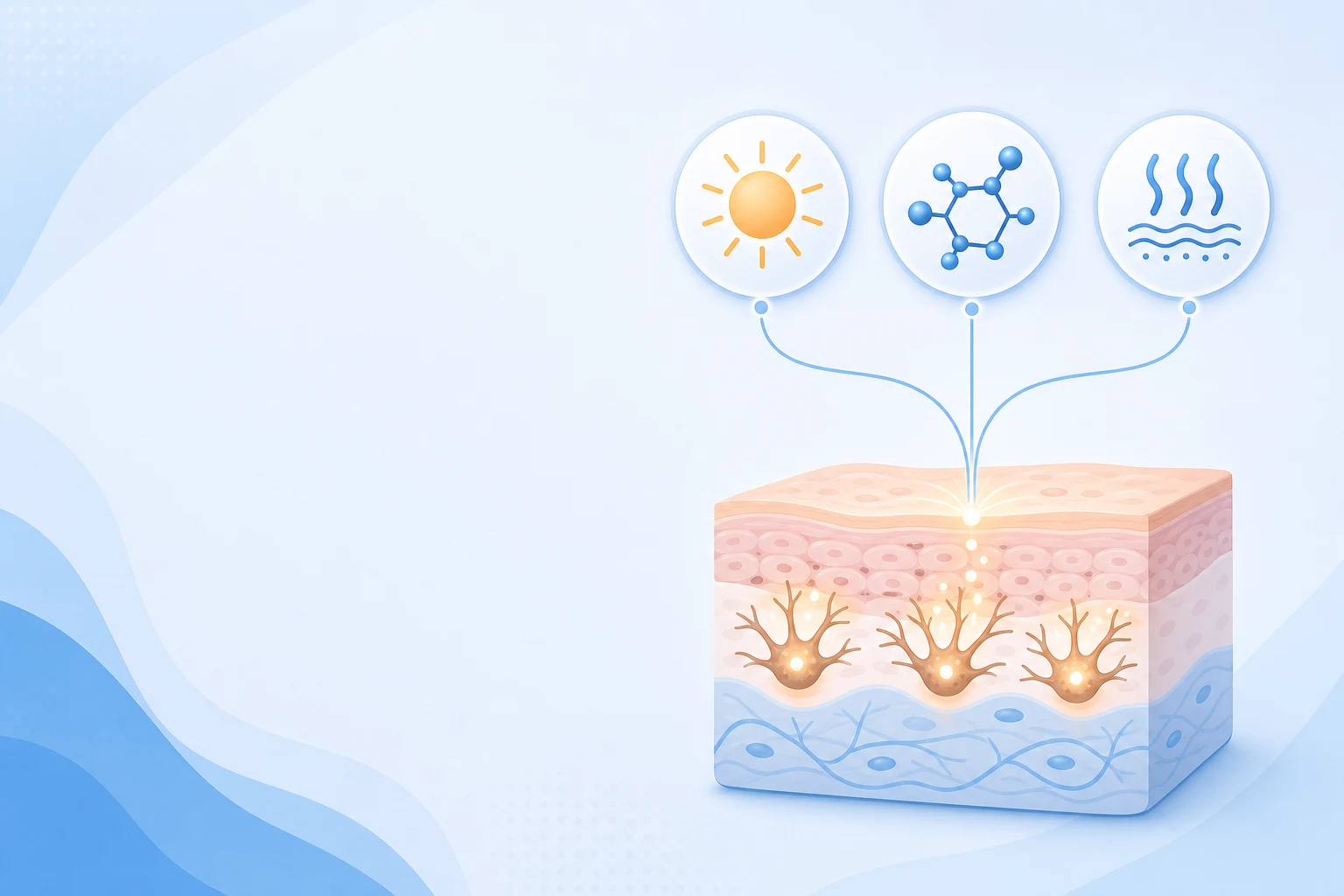
What Causes Melasma? Triggers and How to Manage Them
You cannot treat melasma well without understanding what feeds it. Here are the real triggers — and why managing them is half the treatment.