















Tanjong Pagar / CBD
SBF Center
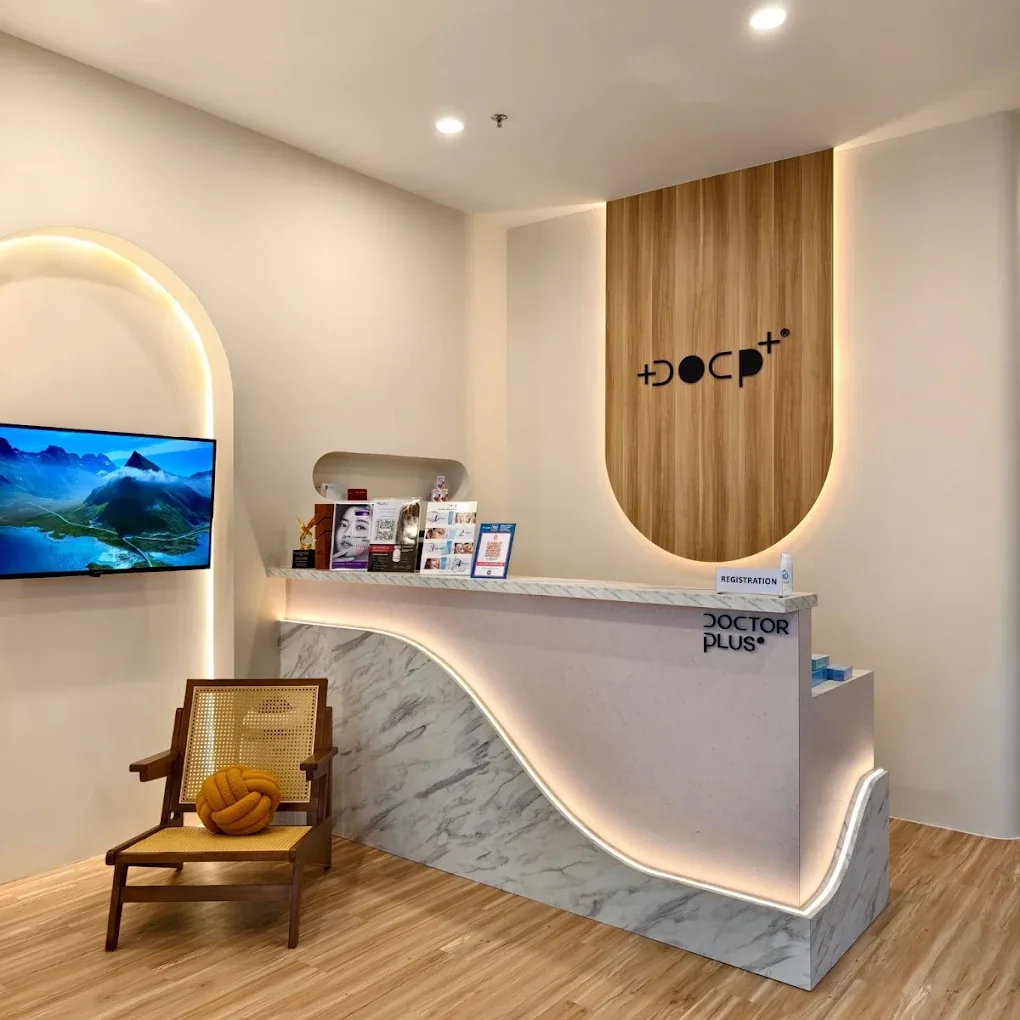
Dr Plus Aesthetics Clinic Singapore (Tanjong Pagar)
160 Robinson Road #03-10
Singapore 068914
About a three-minute walk from Tanjong Pagar MRT (East–West Line); the building has a carpark.
Skin Concerns · Pigmentation
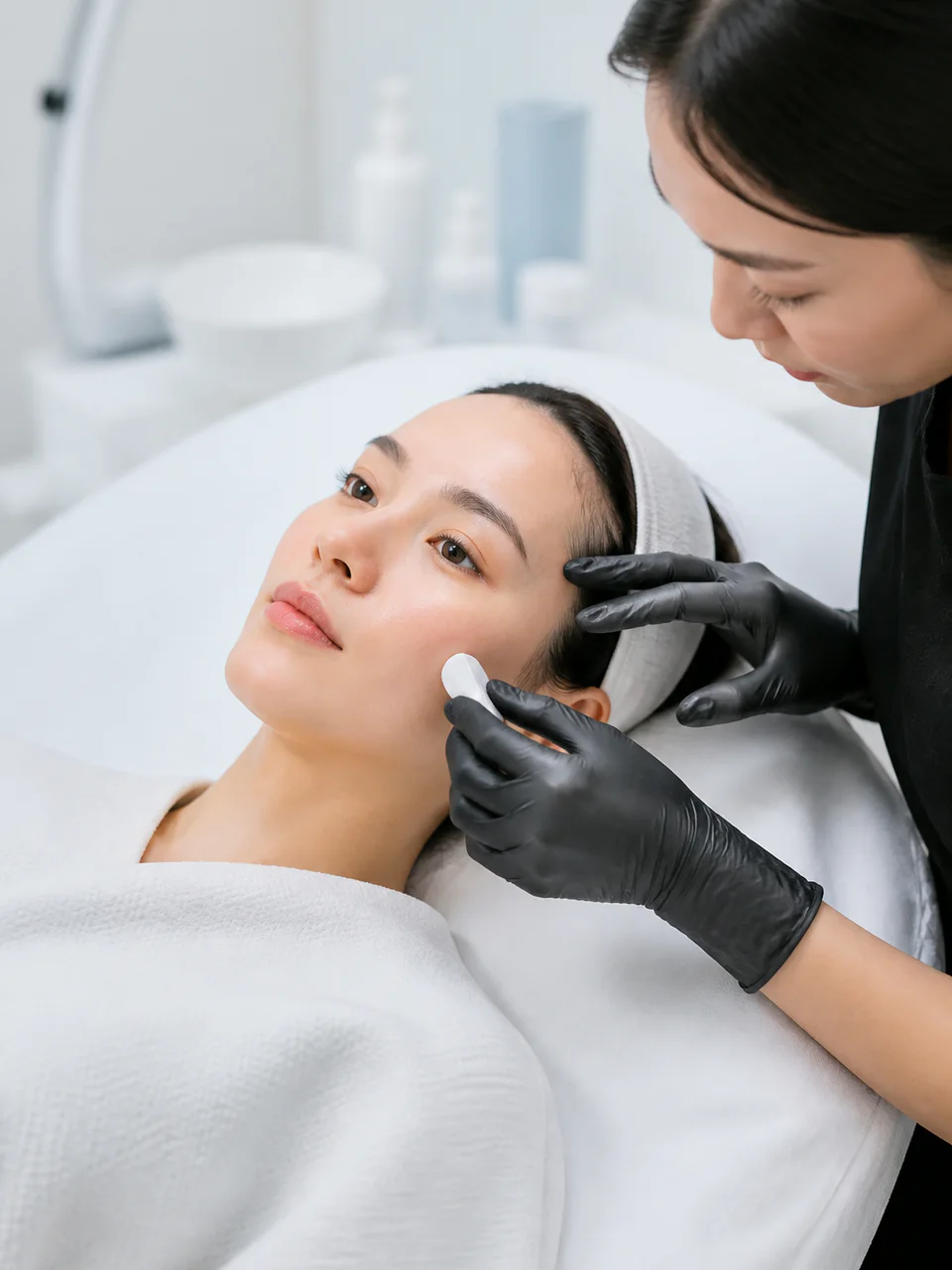
Doctor-led diagnosis and treatment for melasma, sun spots, freckles and post-acne marks (PIH) — pico laser, chemical peels and supportive topicals at our Tanjong Pagar, East Coast and Novena clinics.
— Pigment Types
Identifying what type of pigment you have — and how deep it sits — is the first step toward a plan that works. These four patterns account for most pigmentation consultations at our Singapore clinics, and many people have more than one.
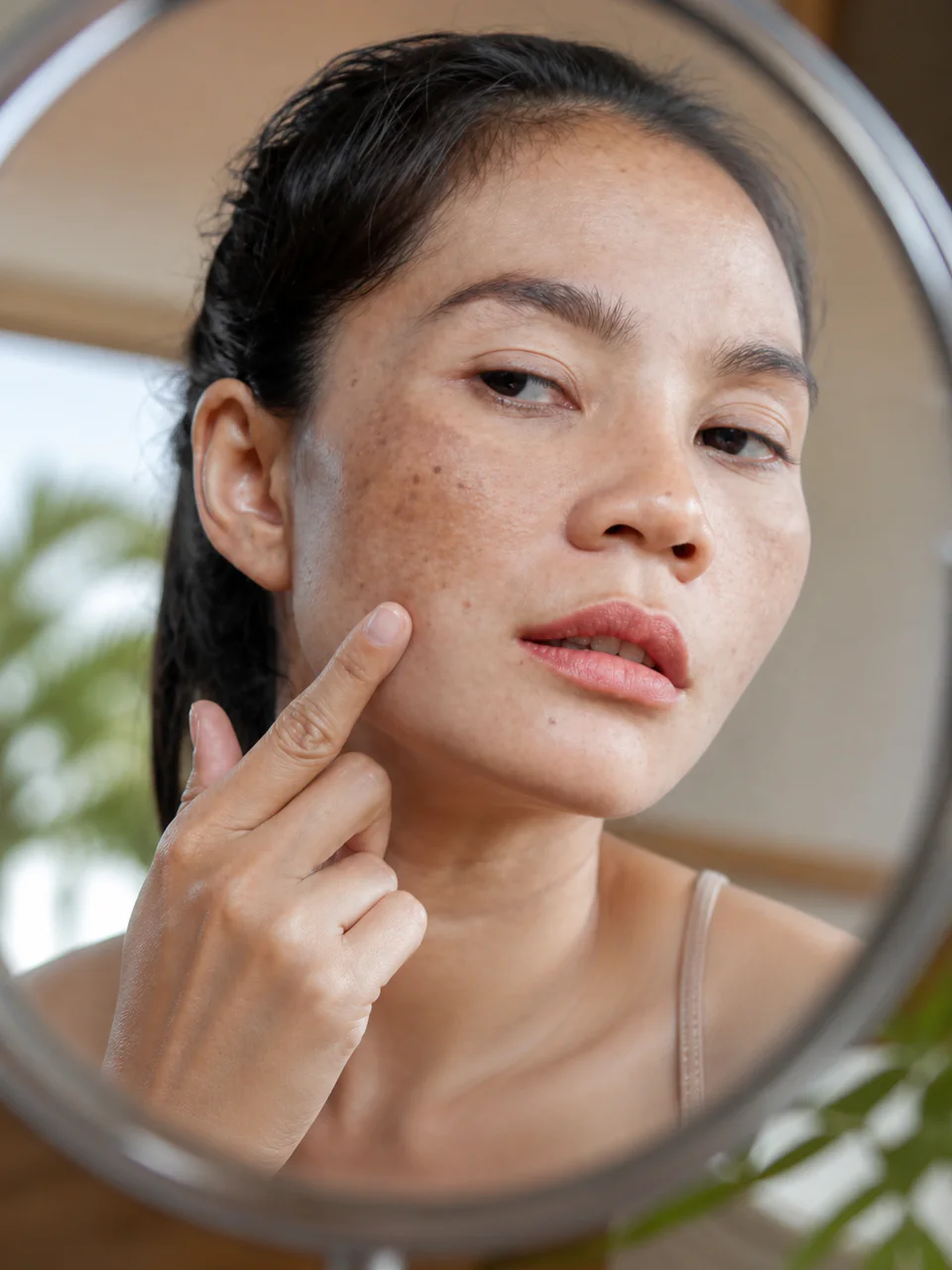
Symmetrical brown or grey-brown patches, usually across the cheeks, forehead or upper lip. Hormones, heat and light can contribute. Melasma is managed rather than cured, and aggressive treatment may trigger rebound pigmentation.
Treatment suitability
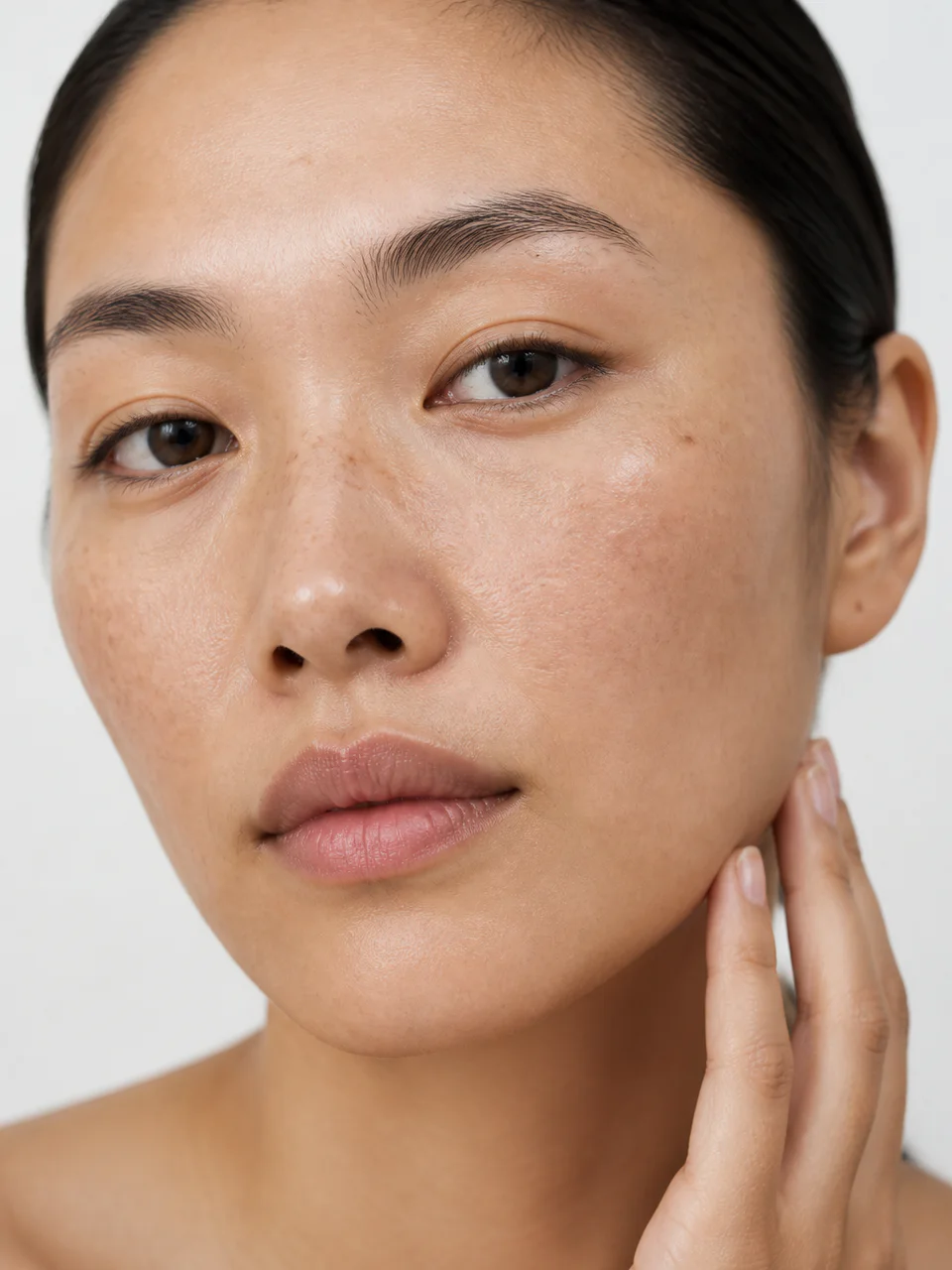
Well-defined brown spots on sun-exposed areas such as the face, hands and shoulders. A doctor confirms they are stable pigment lesions before discussing targeted laser or peels; new or changing lesions need medical assessment first.
Treatment suitability
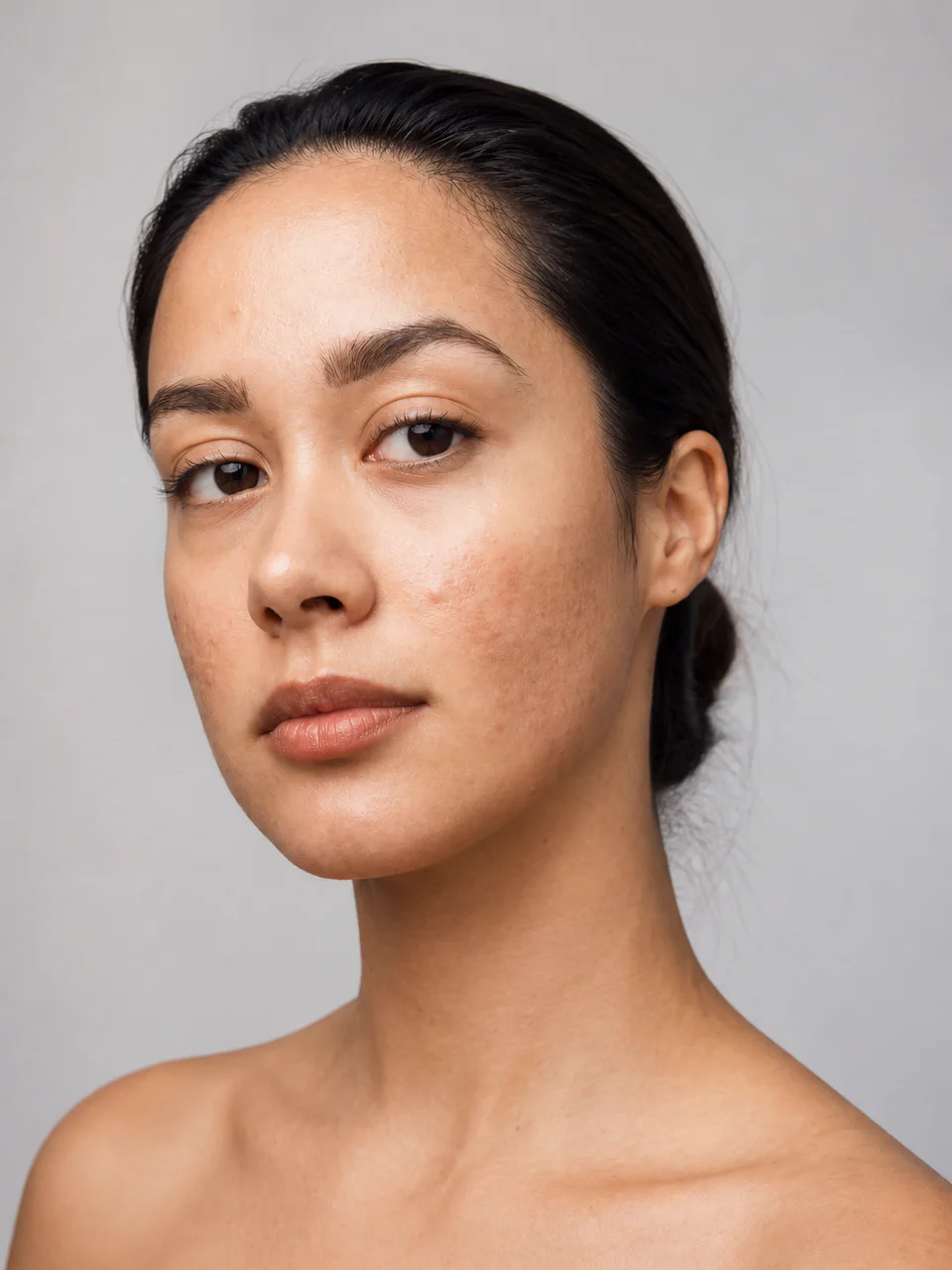
Flat brown marks left after acne, insect bites, eczema or a procedure heals. PIH is pigment rather than a structural scar and may fade gradually; ongoing inflammation is controlled before optional peels, laser or topicals are considered.
Treatment suitability
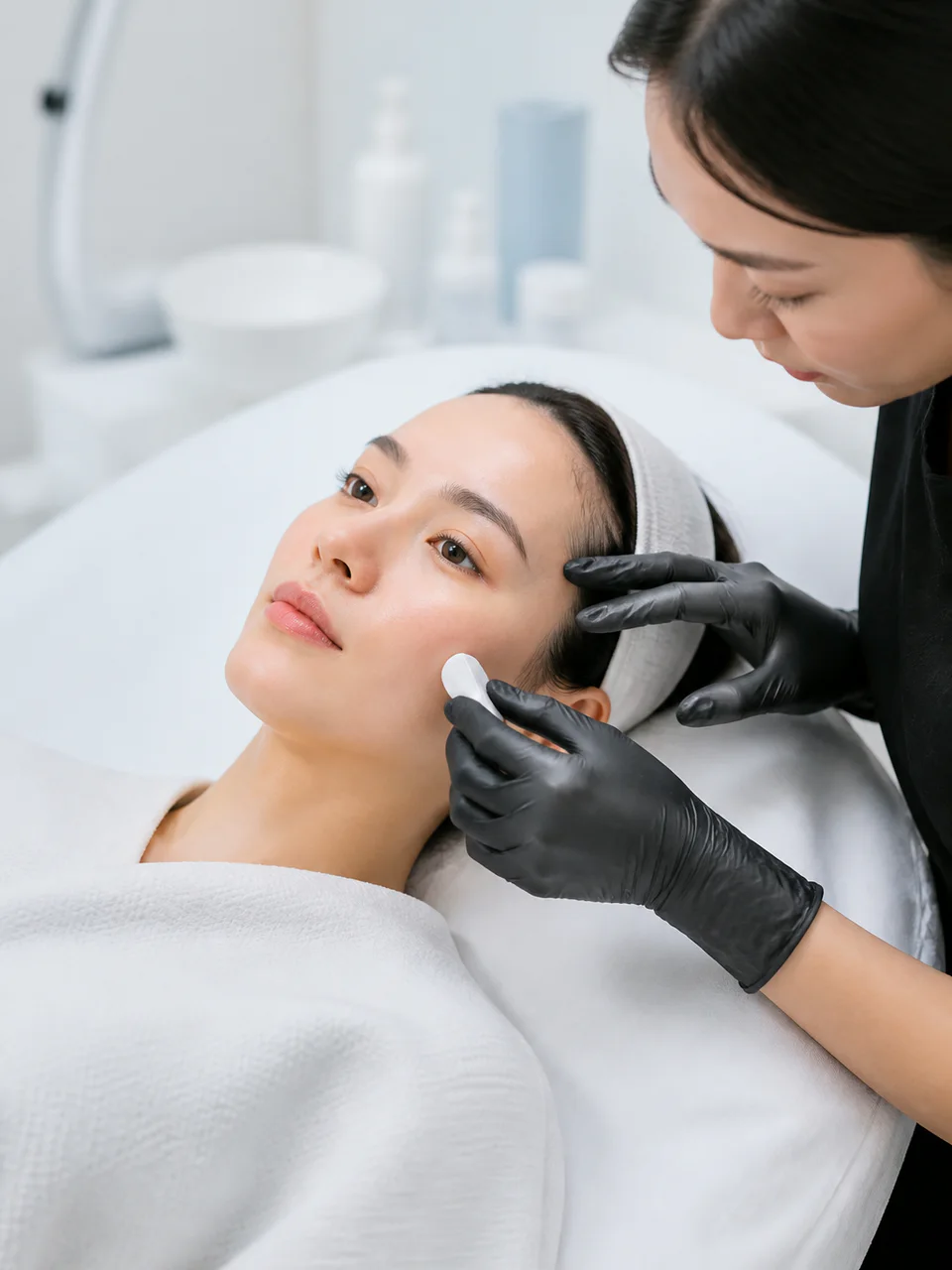
Small scattered spots or diffuse uneven tone, often influenced by genetics and sun exposure. Treatment is optional and recurrence is possible, so the plan weighs conservative laser or peels against daily protection and maintenance.
Treatment suitability
— Your Concern
Melasma, solar lentigines (sun spots), post-inflammatory hyperpigmentation (PIH) and freckles may all look brown, but they differ in depth, triggers and behaviour. Melasma is usually symmetrical and influenced by hormones, heat and light; sun spots are discrete areas of cumulative UV change; PIH follows inflammation such as acne or eczema; freckles are often genetic and darken with sun exposure.
A doctor looks at pattern, depth, skin tone, current inflammation, medicines and previous reactions before choosing a tool. Stable, defined sun spots may suit targeted pigment laser. Superficial PIH may be managed first with time, sun protection, topicals or a doctor-selected peel. Melasma usually needs a conservative maintenance plan; aggressive energy can provoke darker rebound pigment. Mixed patterns are treated in stages so the response to each step can be reviewed.
No device can prevent new pigment from forming. Results vary, several sessions may be needed, and melasma can recur with heat, hormones or light exposure. Treatment may be deferred where skin is inflamed, recently tanned, infected or reacting to active skincare. Daily broad-spectrum sun protection and an appropriate home regimen remain part of the plan whether or not an in-clinic procedure is suitable.
— Treatments
Each approach addresses different aspects of your concern. Your doctor will recommend what suits you after assessment.
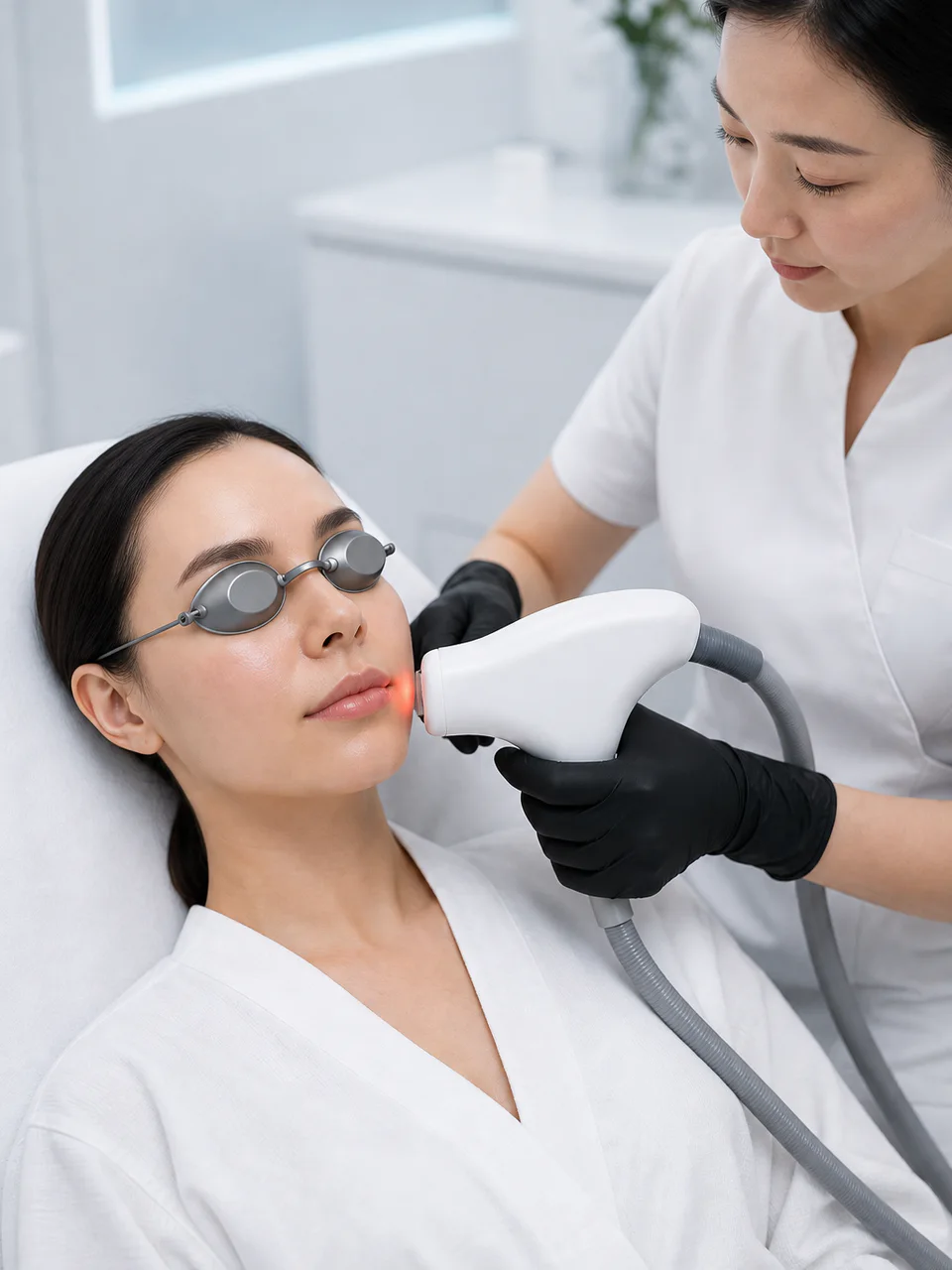
Ultra-short pulses target pigment with a photoacoustic effect. Defined sun spots and selected mixed pigment may suit treatment; melasma requires conservative settings and review because excessive energy can cause rebound pigmentation. Temporary redness or darkening can occur.
Learn MoreDoctor-selected peels exfoliate superficial pigment and may support PIH or uneven tone, often with temporary dryness or flaking. Peel strength and timing depend on skin barrier health, active skincare and pigmentation risk.
Learn More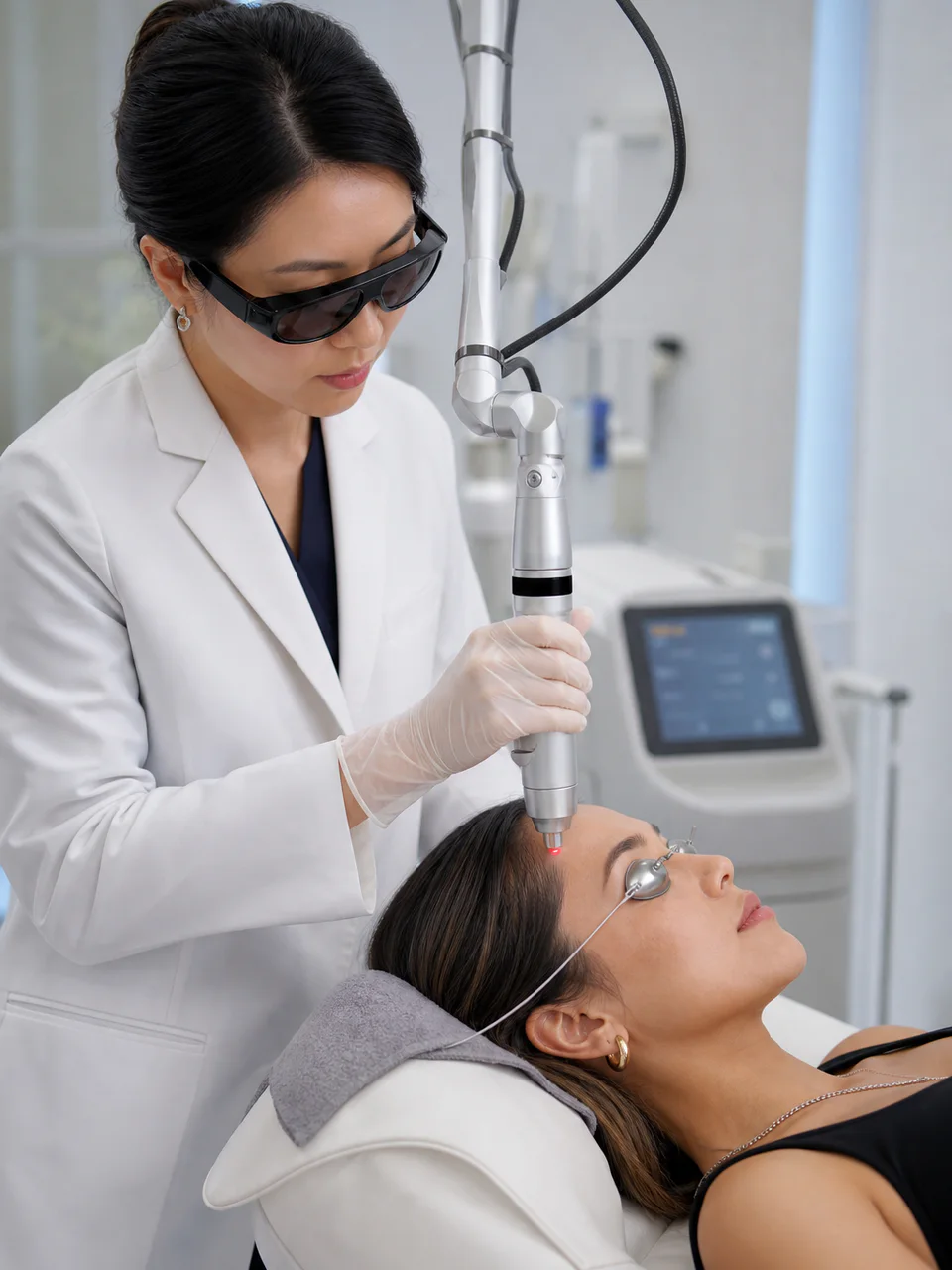
A doctor-planned course that sequences devices, settings and session spacing around your pigment type and how your skin responds — reviewed as you progress, not sold as a fixed bundle.
Learn More
Shaving, friction and old ingrown hairs leave pigment behind on the body too. A doctor-led underarm brightening plan combines peels and laser toning, assessed for suitability first.
Learn MoreInflammation-driven pigment behaves differently from melasma or sun spots — it needs trigger control and depth-matched treatment. The dedicated PIH pathway explains marks vs scars and how clearance is planned.
Learn MoreMelasma is controlled, not cured — and aggressive lasers make it worse. The dedicated melasma pathway covers depth assessment, conservative pico laser, topicals and the maintenance that keeps it quiet.
Learn MoreMelasma, sun spots and PIH can coexist. Your doctor may stabilise inflammation and melasma first, then sequence topicals, peels or laser only where each step addresses a diagnosed component.
Discuss Suitability— Compare Options
A simplified overview. Your doctor will recommend what suits your skin after assessment.
| Treatment | Suited to | Typical downtime | Sessions |
|---|---|---|---|
| Pico Laser | Defined sun spots, freckles; melasma only at conservative settings | Usually brief redness | Several, spaced weeks apart |
| Chemical Peel | Superficial pigment, PIH, dull or uneven tone | Dryness or light flaking for a few days | A course, spaced weeks apart |
| Laser Program | Mixed or widespread pigment | Depends on the devices used | Doctor-planned, reviewed as you go |
| Topicals & Sun Protection | Melasma, PIH, and maintenance for every type | None | Daily and ongoing |
— What to expect
The first visit is a diagnosis. Your doctor asks when the marks appeared, whether they change with sun, pregnancy or medicines, and what you have already tried, then examines the skin closely — sometimes under a Wood's lamp, which helps show how deep pigment sits. Any spot that is new, changing, bleeding or irregular is checked as a medical concern first, before anything cosmetic is discussed.
If treatment suits you and your skin is calm, it can sometimes start on the same day. Otherwise you leave with a written plan, a skincare and sun-protection routine to prepare the skin, and time to decide.
| Treatment | Straight after | Following days |
|---|---|---|
| Pico laser | Redness and warmth; treated spots may look darker | Darkened spots may flake off over about a week; make-up usually possible the next day |
| Chemical peel | Tightness or mild stinging | Dryness or light flaking for a few days, depending on peel strength |
| Topicals | No downtime | Some products cause dryness or irritation at first; your doctor adjusts strength and frequency |
— Risks & side effects
Pigmentation treatments are generally well tolerated when they are matched to the diagnosis. The main risks in Asian skin relate to pigment itself, which is why conservative settings and good sun protection matter.
— Home care
Singapore's strong, year-round sun and heat are among the main reasons pigment returns. In-clinic treatment works alongside daily care, not instead of it.
— Choosing a doctor
These questions are reasonable to ask at any clinic, including ours.
— Why DrPlus
Every plan is overseen by a qualified physician — not a sales consultant.
Treatment plans are tailored to your skin condition, goals, tone, downtime, and suitability.
Protocols are selected for clinical relevance, not trend-driven marketing.
A calm, private clinic designed for unhurried consultation and discreet care.
— Process
A discreet, unhurried conversation about your concerns, goals, and medical history.
Your doctor examines your skin or concern and explains suitable options without pressure.
A tailored treatment sequence designed around your condition, downtime, and expectations.
Structured reviews and aftercare guidance for the duration of your program.
— Doctor-led planning
Treatment choice for pigmentation depends on pigment type, depth, skin tone, hormonal factors, and sun behaviour. Pico laser, peels, and topicals each have a role — your plan is built around which combination is appropriate for your case.
Consultations are led by Dr Kenneth Lee (The Collagen Doc®), whose clinical interest in skin regeneration and collagen-focused care guides treatment planning at DrPlus.
Ask our doctor what is realistic for your skinDr Kenneth Lee · Qualifications
12+
Years Experience
8k+
Treatments
Ready to discuss your skin?
Book a doctor-led assessment at Tanjong Pagar, East Coast or Novena.
— Your treating doctor

Dr Kenneth Lee
Aesthetic Physician
DrPlus Aesthetics Clinic
Dr Kenneth Lee completed his medical degree at Cardiff University, UK, under a Public Service Department scholarship, and trained across London hospitals in general medicine, surgery, paediatrics, and emergency medicine before returning to Asia to specialise in aesthetic and regenerative medicine.
He holds LCP certification for Aesthetic Practices in Malaysia and continues to train with the Aesthetic Dermatology Educational Group in Singapore and the American Academy of Aesthetic Medicine. His focused interest in collagen science and skin regeneration led Channel NewsAsia to feature him as “The Collagen Doc®”.
When you consult at DrPlus, that background is what guides your assessment — not a treatment menu.
Dr Kenneth Lee · Qualifications
12+
Years Experience
8k+
Treatments
Recognised across aesthetics and wellness care
DrPlus and Dr Kenneth Lee have received regional and international recognition across aesthetic medicine, collagen treatment, and clinic partnership categories.
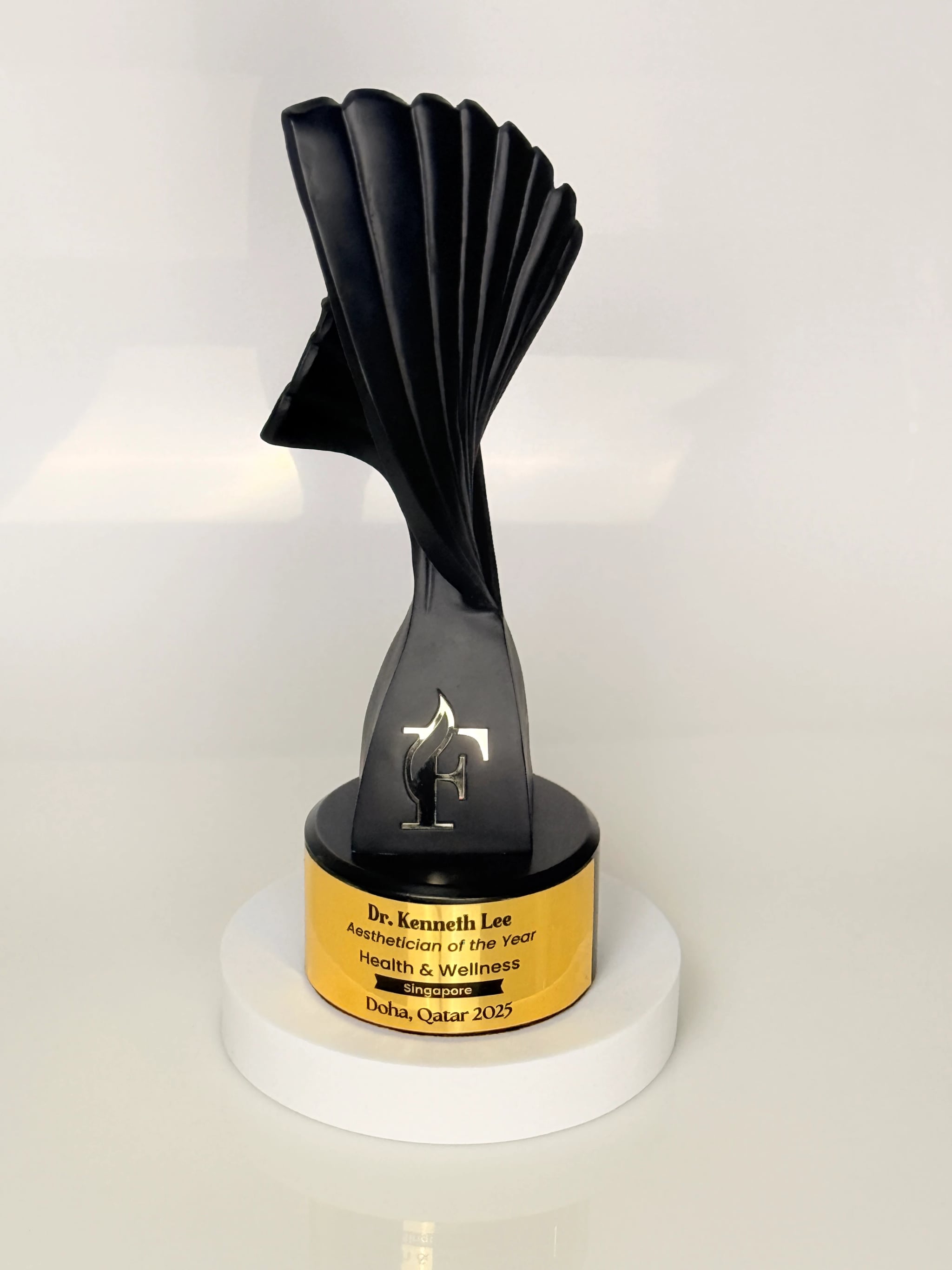
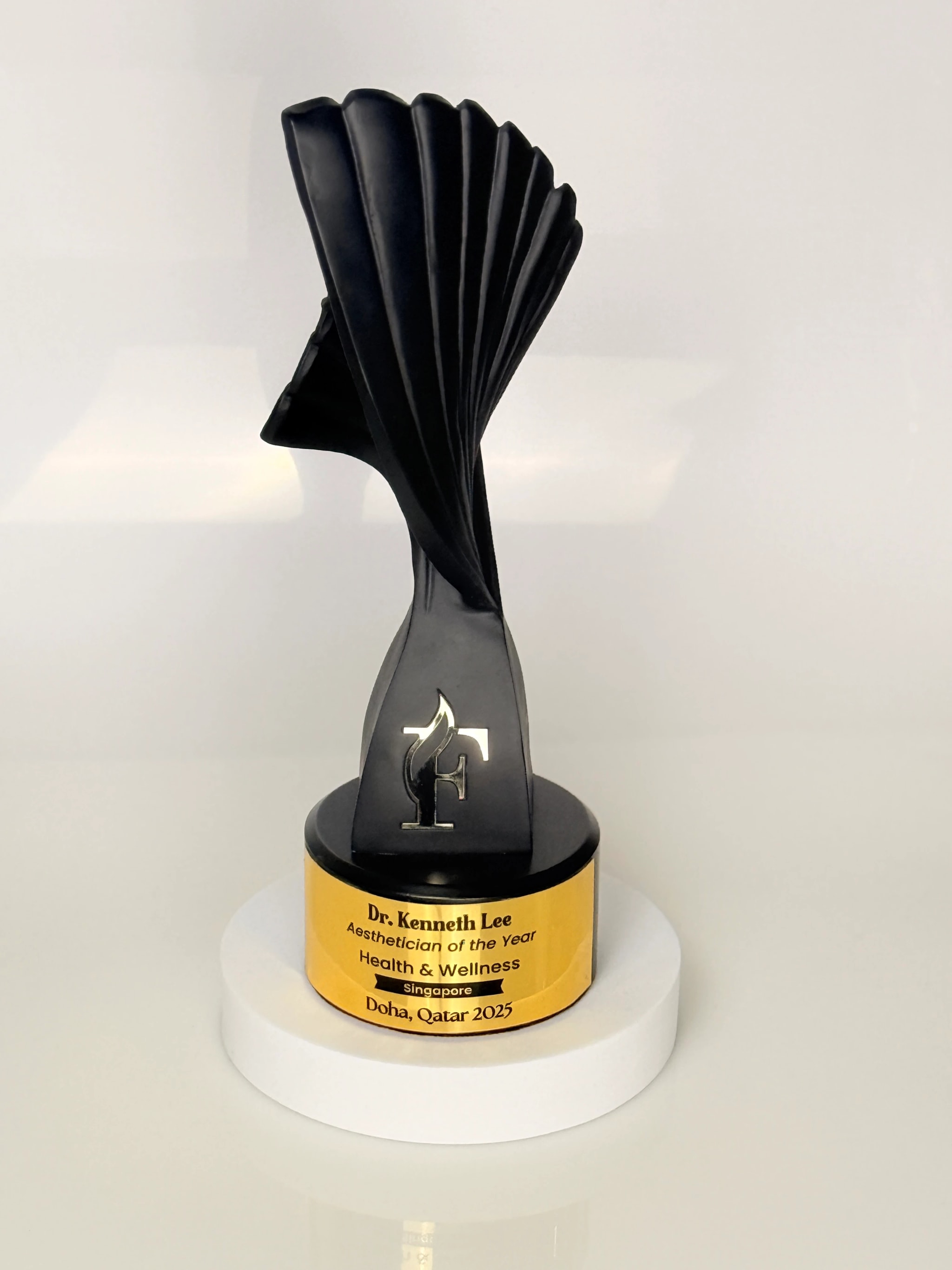
Aesthetician of the Year
Health & Wellness Awards, 2025
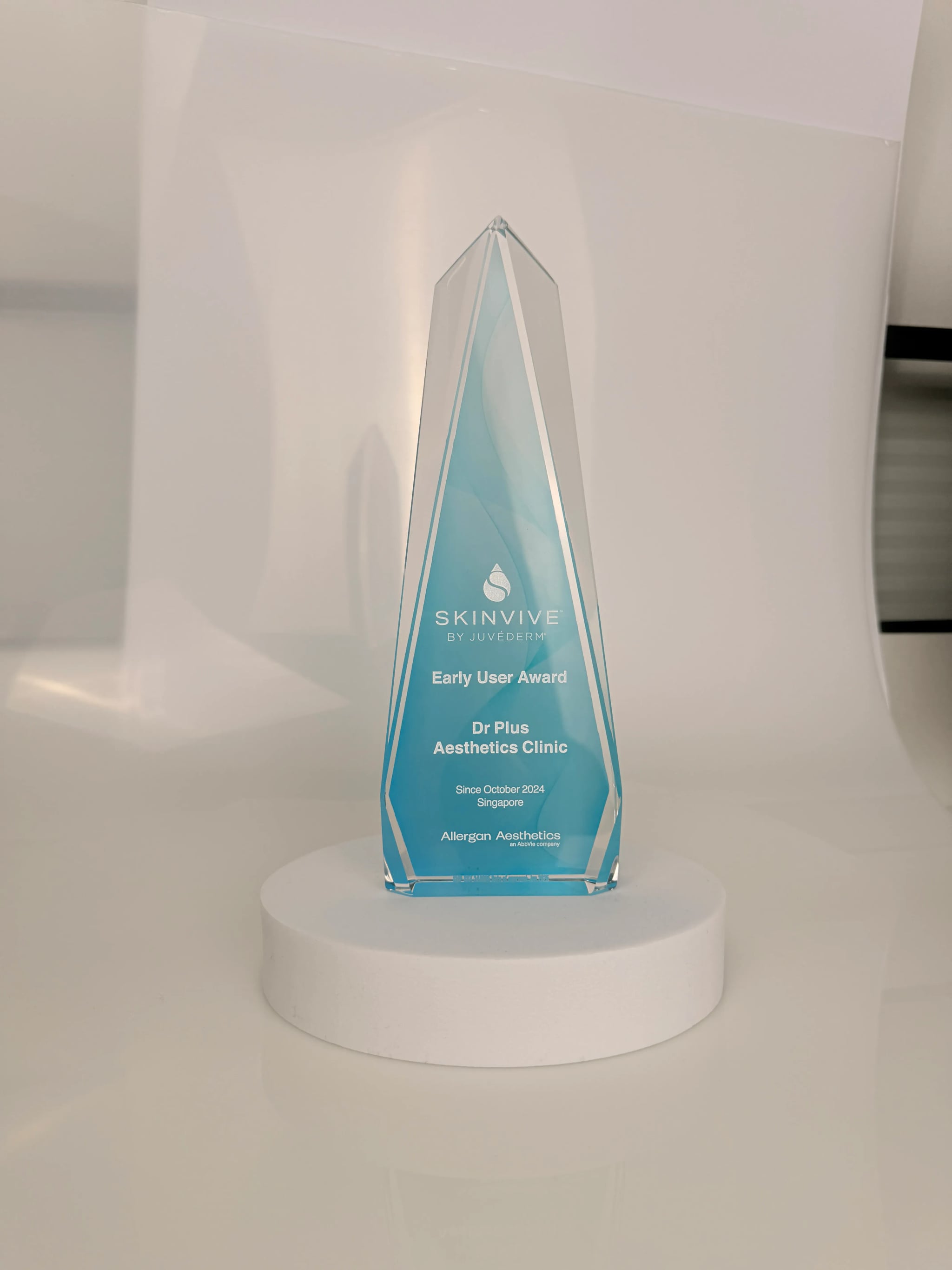
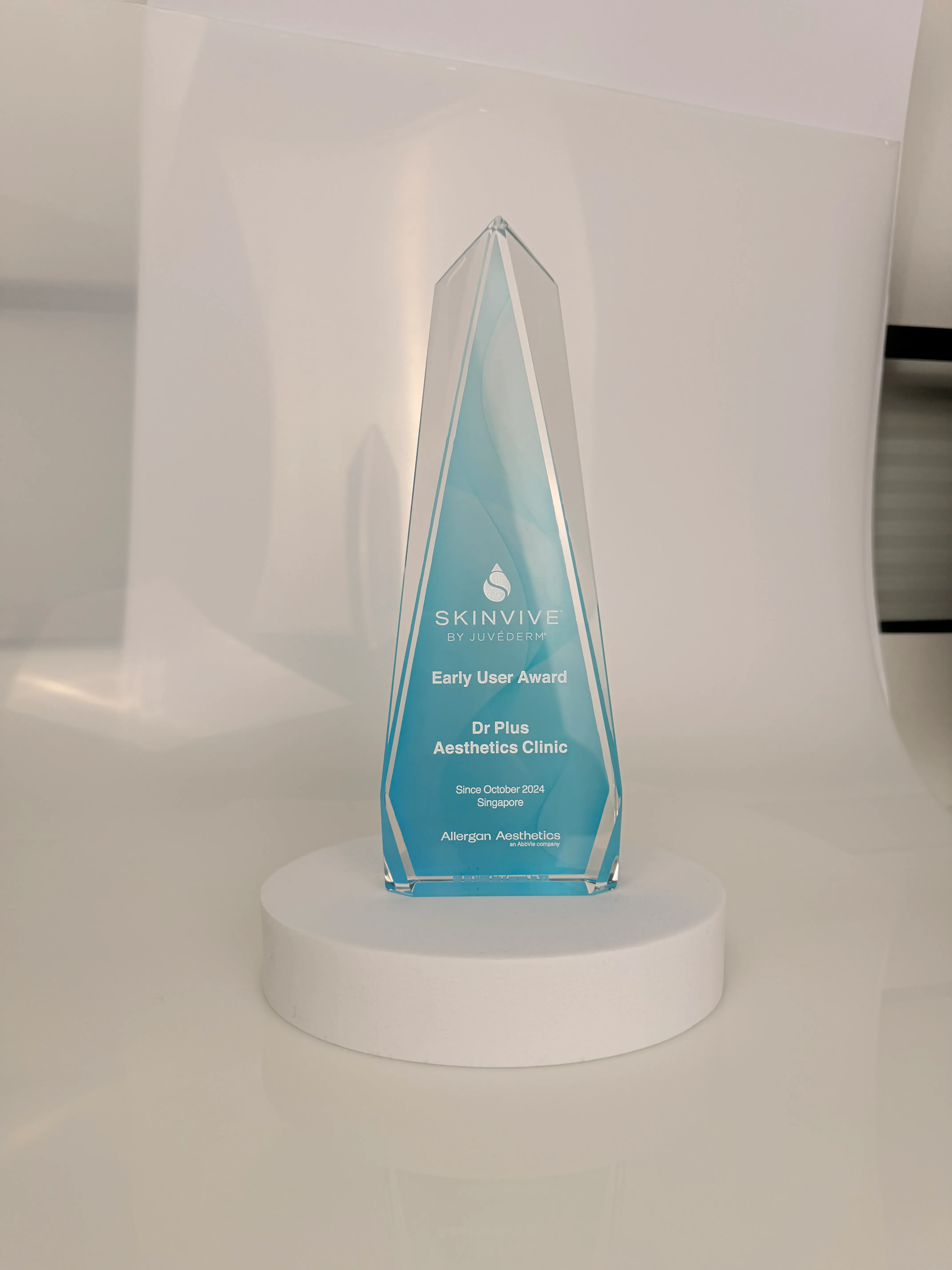
Skinvive Early User Award
Juvéderm / Allergan Aesthetics

Collagen Treatment of the Year
Asia-Pacific
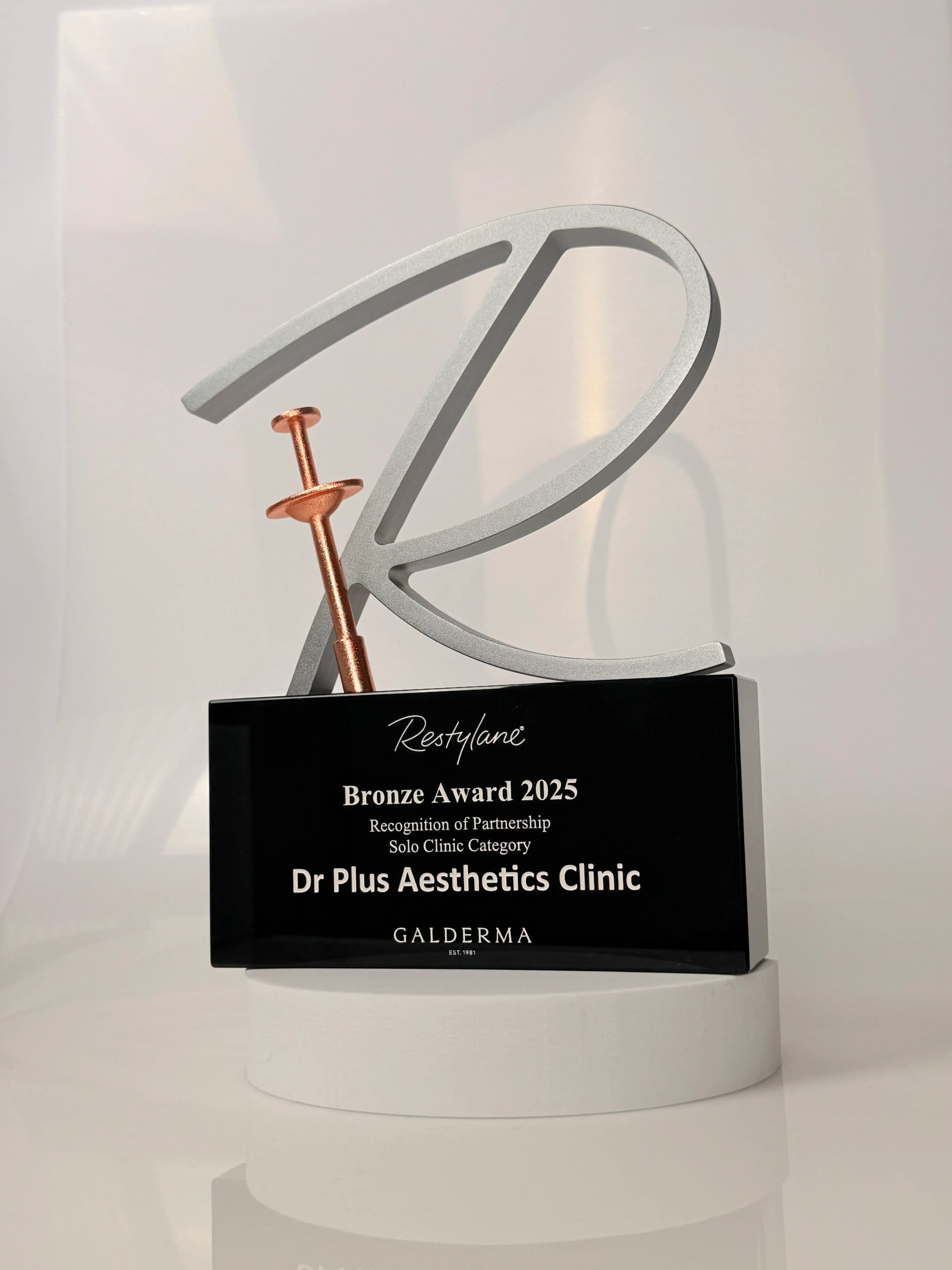
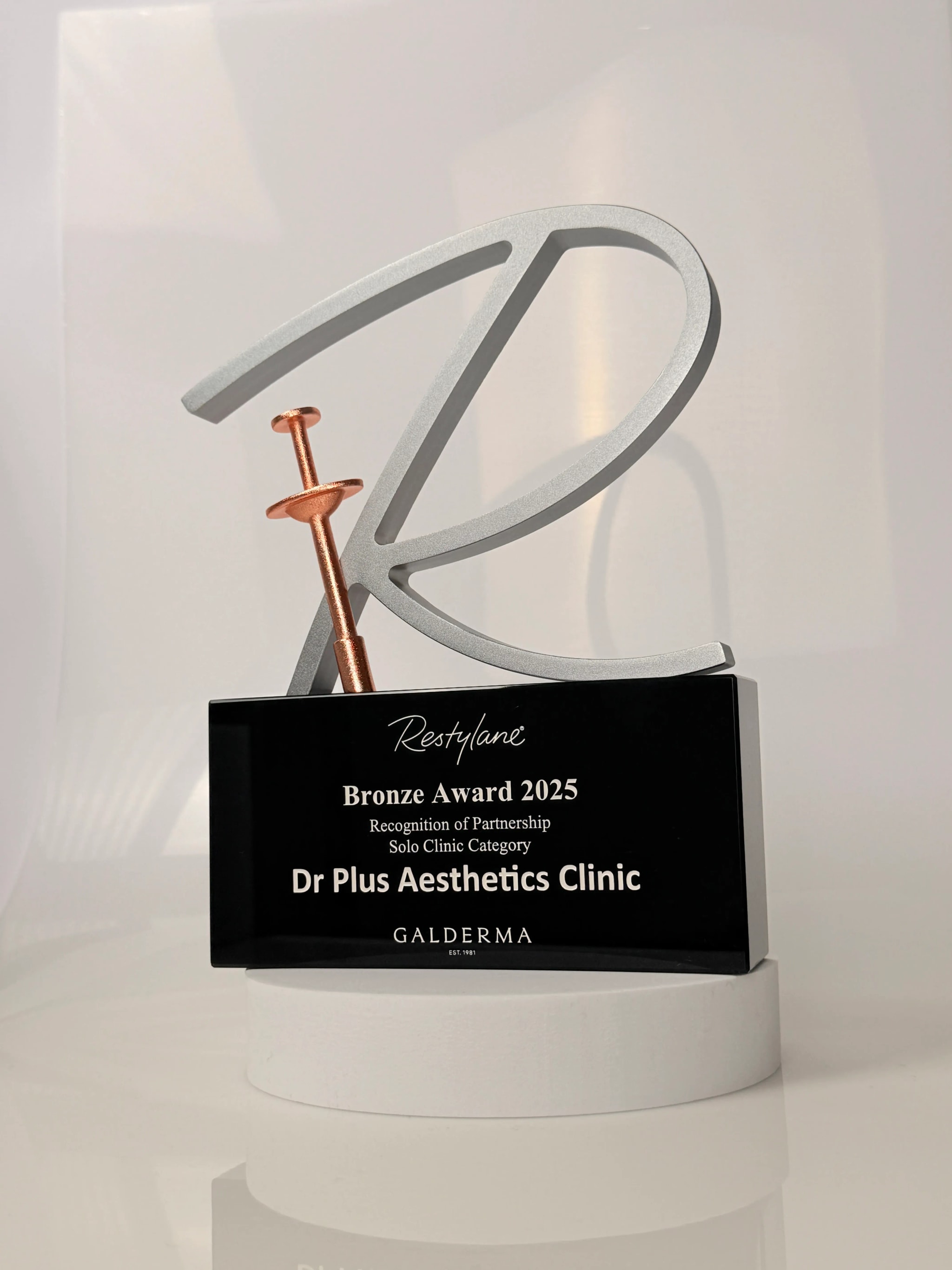
Restylane Bronze Award
Galderma, 2025
— Our Singapore clinics
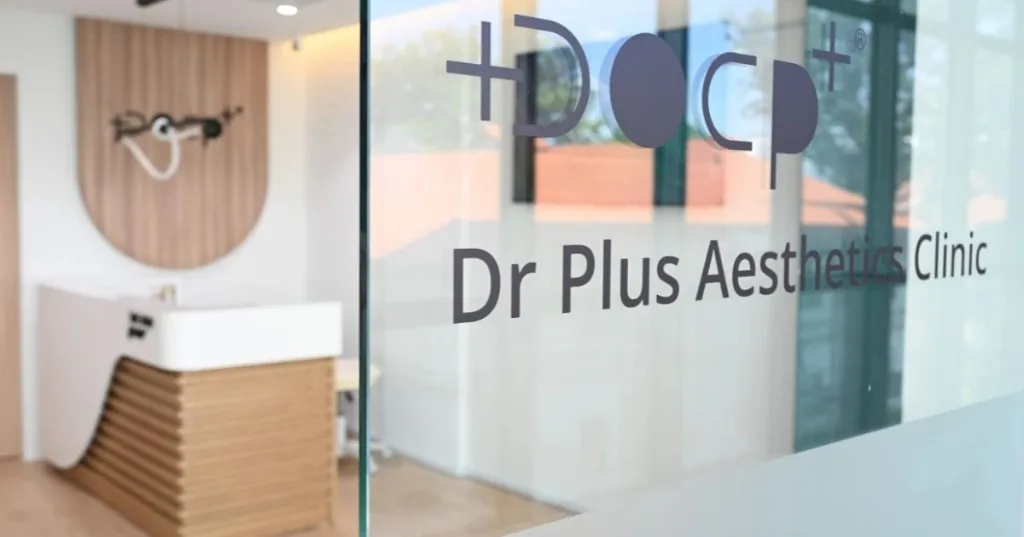
Consultations and treatments are available at all three clinics — choose whichever is more convenient: the Tanjong Pagar CBD, Katong on the East Coast, or the Novena medical district.
Tanjong Pagar / CBD
Dr Plus Aesthetics Clinic Singapore (Tanjong Pagar)
160 Robinson Road #03-10
Singapore 068914
About a three-minute walk from Tanjong Pagar MRT (East–West Line); the building has a carpark.
East Coast / Katong
Dr Plus Aesthetics Clinic (East Coast)
66 East Coast Road #03-05
Singapore 428778
A short walk from Marine Parade MRT (Thomson–East Coast Line); The Flow Mall has a carpark.
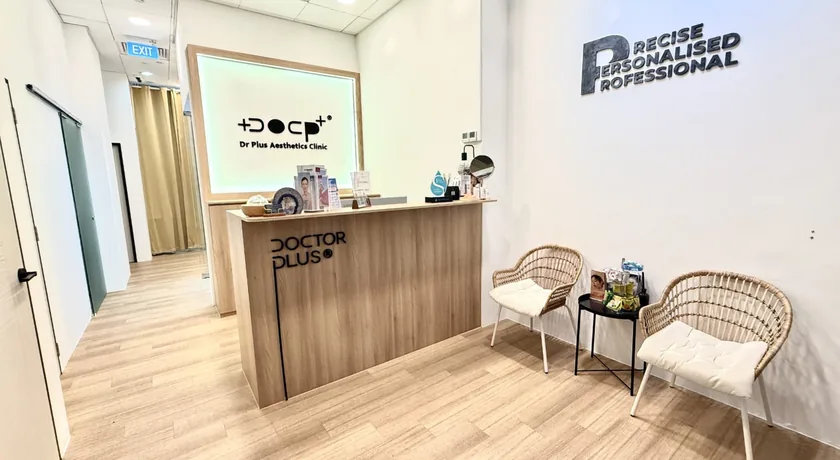
Novena
Dr Plus Aesthetics Clinic (Novena)
10 Sinaran Drive #10-30
Singapore 307506
A short sheltered walk from Novena MRT (North–South Line); Novena Medical Centre has a carpark.
— FAQ
Melasma is driven by a mix of hormones (such as pregnancy or the contraceptive pill), ultraviolet and visible light, heat and genetics. Because those triggers are ongoing — and Singapore's sun and heat are year-round — melasma tends to be controlled rather than cured. A maintenance plan built on daily sun protection, suitable topicals and conservative in-clinic treatment helps keep it quieter.
As a rule of thumb, pico laser is used for defined pigment such as sun spots and freckles, and for selected melasma at conservative settings. Chemical peels act on the surface layers, so they suit superficial pigment, post-acne marks and dull, uneven tone. Mixed patterns often use both in stages, and your doctor decides the order after diagnosing each component.
It can be, with the right approach. Asian and darker skin is more prone to darkening after inflammation, so doctors use conservative settings, may suggest a test area, and often prepare the skin with sun protection and topicals for a few weeks first. Treating while tanned or irritated raises the risk, so timing matters as much as the device.
Fading is gradual over weeks to months. Some spots darken before they lighten. Your doctor will outline a realistic timeline.
It depends on the type. Individual sun spots and freckles can often be cleared, although new ones can form with further sun exposure. PIH usually fades once the inflammation behind it is controlled. Melasma is different: it can be lightened and kept under control, but it commonly returns with heat, hormones or light, so ongoing maintenance is part of the plan.
Sometimes. Retinoids, exfoliating acids and some prescription creams can make skin more reactive, so they may be paused for a few days around a laser or peel session. Gentle cleansers, moisturisers and sunscreen usually continue. Bring your products or a list to the consultation and your doctor will tell you what to pause and when to restart.
Costs in Singapore vary because pigmentation treatment is a plan, not a single procedure — the price depends on your pigment type, whether laser, peels, or a combination is used, and how many sessions your skin realistically needs. We do not publish prices; after your doctor has diagnosed your pigment you receive a personalised, written quote with no obligation to proceed. WhatsApp us a photo and we can usually explain what your plan would involve within minutes.
Pigmentation consultations and pico laser are available at our three Singapore clinics — SBF Center in Tanjong Pagar, The Flow Mall on East Coast Road, and Novena Medical Centre. Your doctor will advise where your plan is most suitably carried out after diagnosis.
Because the wrong treatment can make pigment worse. Melasma treated with aggressive laser can rebound darker; PIH treated as melasma wastes months. Your doctor identifies the pigment type and depth first — sometimes with a Wood's lamp examination — then matches the tool to the diagnosis rather than starting with a machine.
Treatment may be delayed if the skin is actively inflamed, infected, recently tanned or reacting to skincare, and some medicines or medical conditions change what is suitable. Pregnancy or breastfeeding can also affect the timing of elective procedures and prescription topicals. Your doctor reviews these factors before recommending treatment.
— Skin Education
Doctor-led guides written to help you understand your options before consultation. Each article links back to the relevant treatment pages.
Not all brown spots are the same problem. Melasma, sun spots, freckles and post-inflammatory marks need different plans — and the wrong laser can make melasma worse.
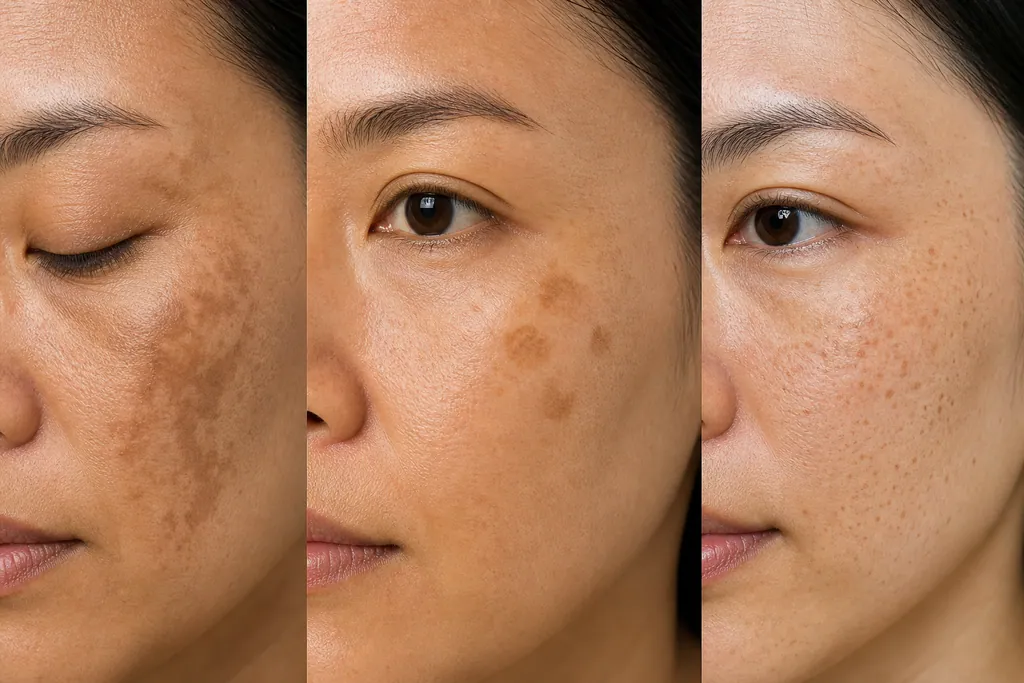 Pigmentation
Three of the most common pigmentation patterns — and they behave very differently in treatment.
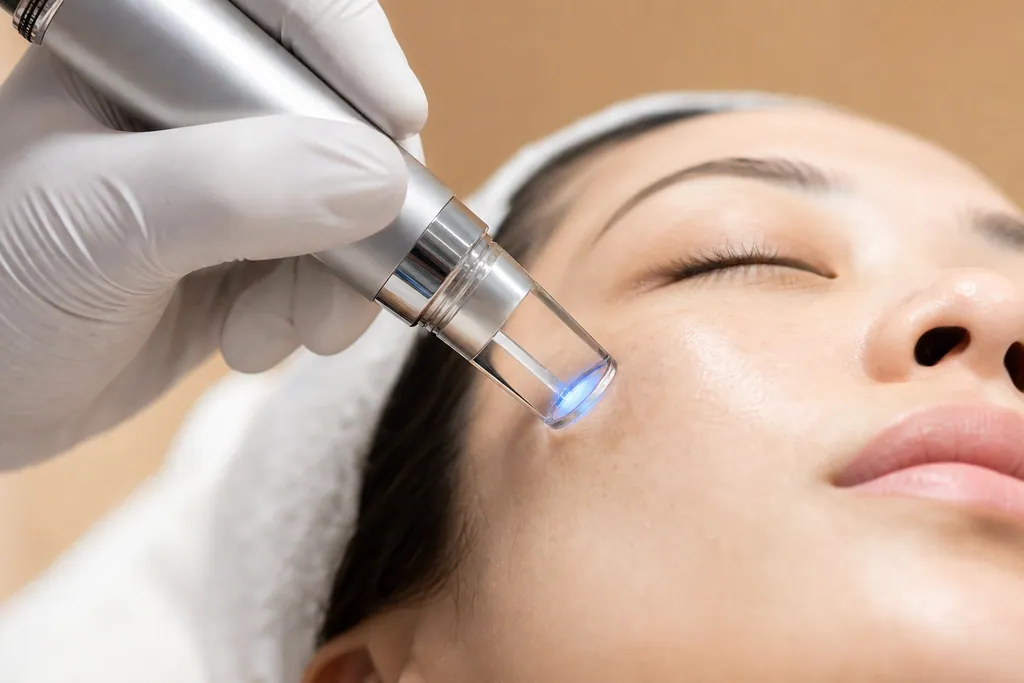 Pigmentation
Pico laser is one of the most discussed pigment treatments — and one of the most over-promised. Here is how to think about it.
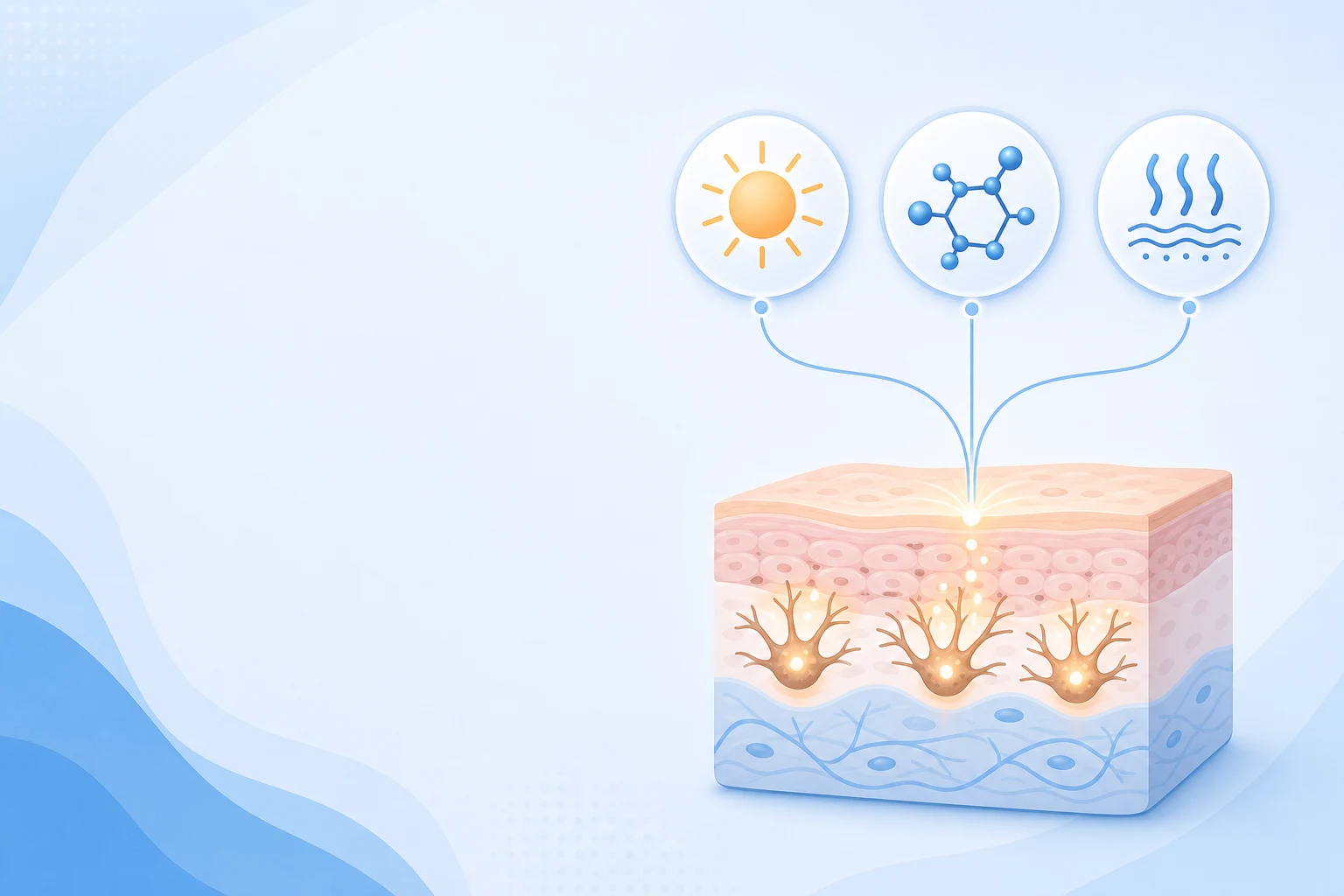 Melasma
You cannot treat melasma well without understanding what feeds it. Here are the real triggers — and why managing them is half the treatment.
— Request a Consultation
Diagnosis first — your doctor will identify pigment type and recommend a personalised plan with realistic expectations.
A QUICKER SCROLL
Clinic life, in short clips
Take a breather from the detail — swipe through Facebook and TikTok moments from DrPlus, then continue when you're ready to book.