
















Tanjong Pagar / CBD
SBF Center
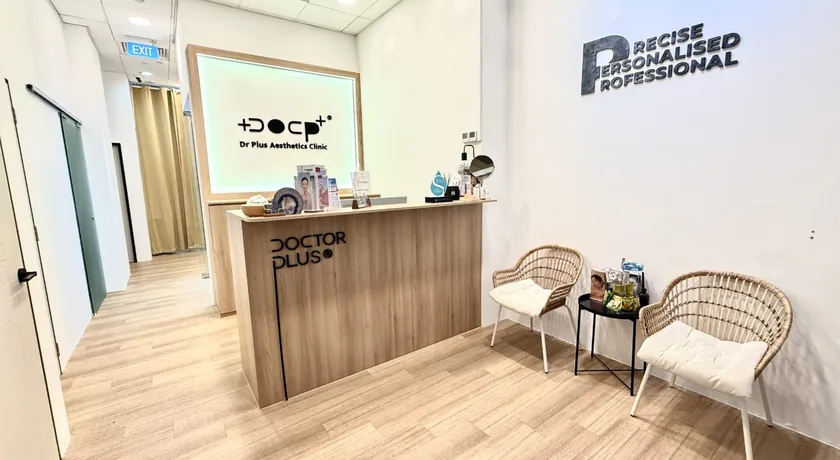
Dr Plus Aesthetics Clinic Singapore (Tanjong Pagar)
160 Robinson Road #03-10
Singapore 068914
About a three-minute walk from Tanjong Pagar MRT (East–West Line); the building has a carpark.

Skin Concerns · Acne Scars
Subcision, CO₂ laser, RF microneedling and doctor-selected peels — matched to your scar type by a doctor at Tanjong Pagar, East Coast and Novena. Your assessment maps every scar type first, so the plan fits your skin, your downtime and your goals.
Acne scars form when a breakout damages the dermis — the deeper layer of the skin — and the repair process either removes too much tissue or produces too much. That single distinction splits every acne scar into one of two families, and it decides which treatments can help you. Atrophic (depressed) scars are the most common: inflammation destroyed collagen faster than the skin could rebuild it. Hypertrophic and keloid scars are the opposite — too much collagen, leaving a raised scar that is treated by flattening rather than rebuilding.
Most people do not have one scar type. A typical cheek carries rolling scars with scattered ice picks and post-inflammatory marks — which are pigment, not scars, and clear differently. This is why a single machine advertised as 'the acne scar solution' so often disappoints: each sub-type needs its own tool. The assessment — mapping which scar types you have and in what proportion — matters more than any individual device.
Because each mechanism needs its own tool, a real plan sequences treatments rather than repeating one. A common sequence at DrPlus: subcision first, to release tethered scars while the skin is untreated; RF microneedling or CO₂ laser next, once healed, to remodel the surface the subcision lifted; peels between energy sessions to keep tone even. Sessions are spaced 4–8 weeks apart because collagen remodelling takes weeks — anyone promising one-visit results is selling, not treating.
If you searched pimple scar treatment Singapore, pimple scar removal Singapore, or pimple marks treatment, see our dedicated pimple scar treatment page.
— Scar Types
Identifying which scar types you have — most people have a mix — is the first step toward a plan that works. These are the four patterns we assess and treat most often at DrPlus.
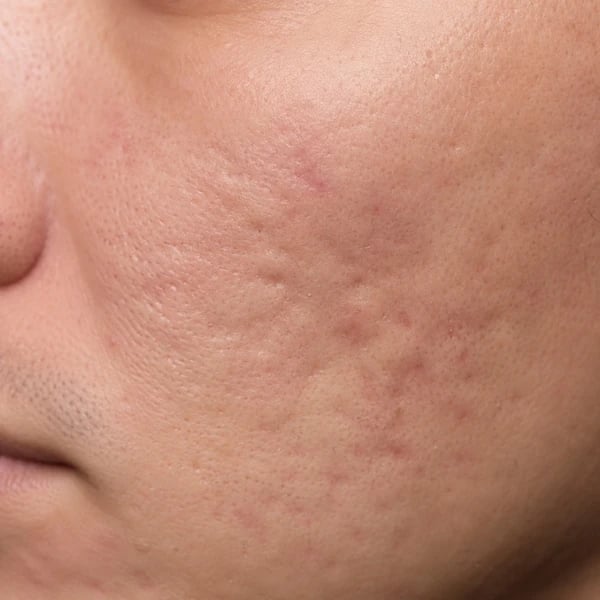
Wave-like undulations caused by fibrous bands tethering the skin down to deeper tissue. Stretch the skin and they flatten; relax it and they return. The tether — not the surface — is the problem, which is why surface-only treatments fail on this scar type.
Treatment suitability
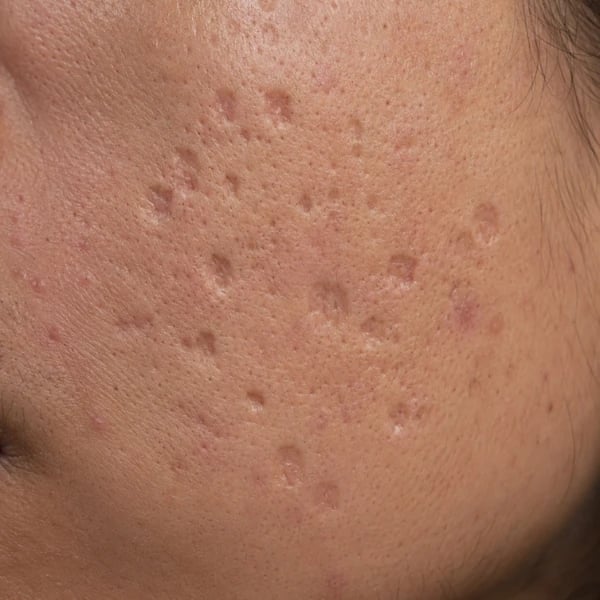
Broader depressions with defined edges, like a thumbprint in clay. The problem is a missing volume of surface tissue, so boxcars respond to resurfacing — the edges soften as fresh collagen fills the controlled healing channels.
Treatment suitability
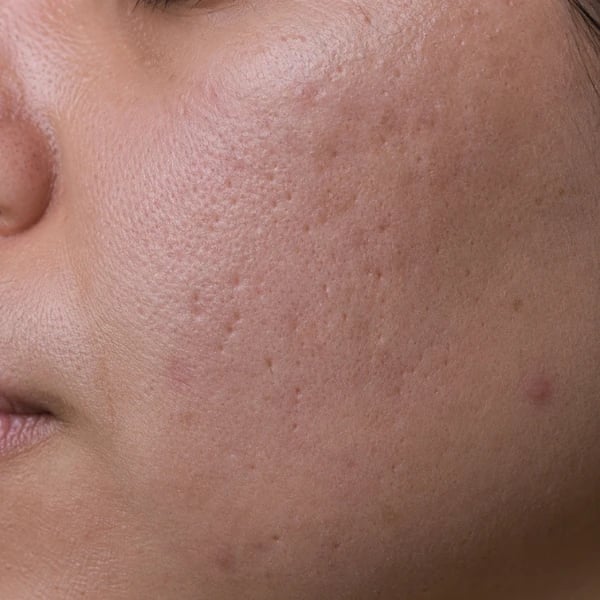
Narrow, deep pits — often on the cheeks — that look like the skin was punctured. Because they are deeper than they are wide, surface treatments alone rarely reach the base; high-strength TCA applied to each pit (the CROSS technique) is one of the few tools that does.
Treatment suitability
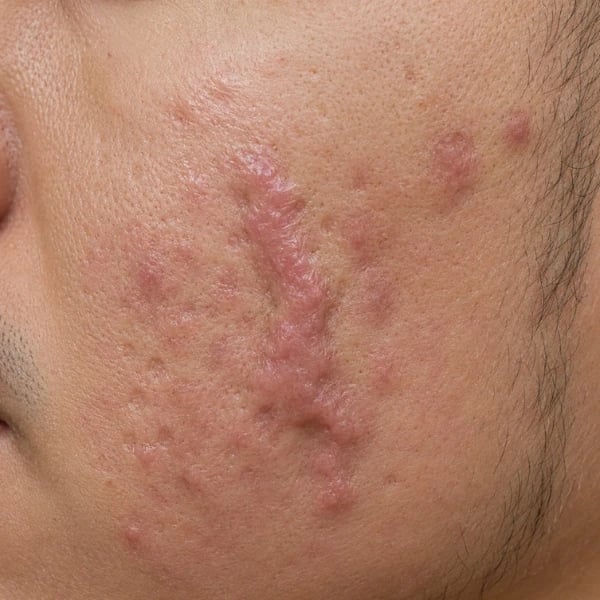
The repair process produced too much collagen, leaving a raised, sometimes growing scar. These are treated completely differently from depressed scars — flattening rather than rebuilding — and have their own dedicated pathway.
Treatment suitability
— Treatments
No single treatment works for every scar. Your treatment plan may combine different modalities depending on scar depth, skin condition, downtime tolerance, and desired outcomes.
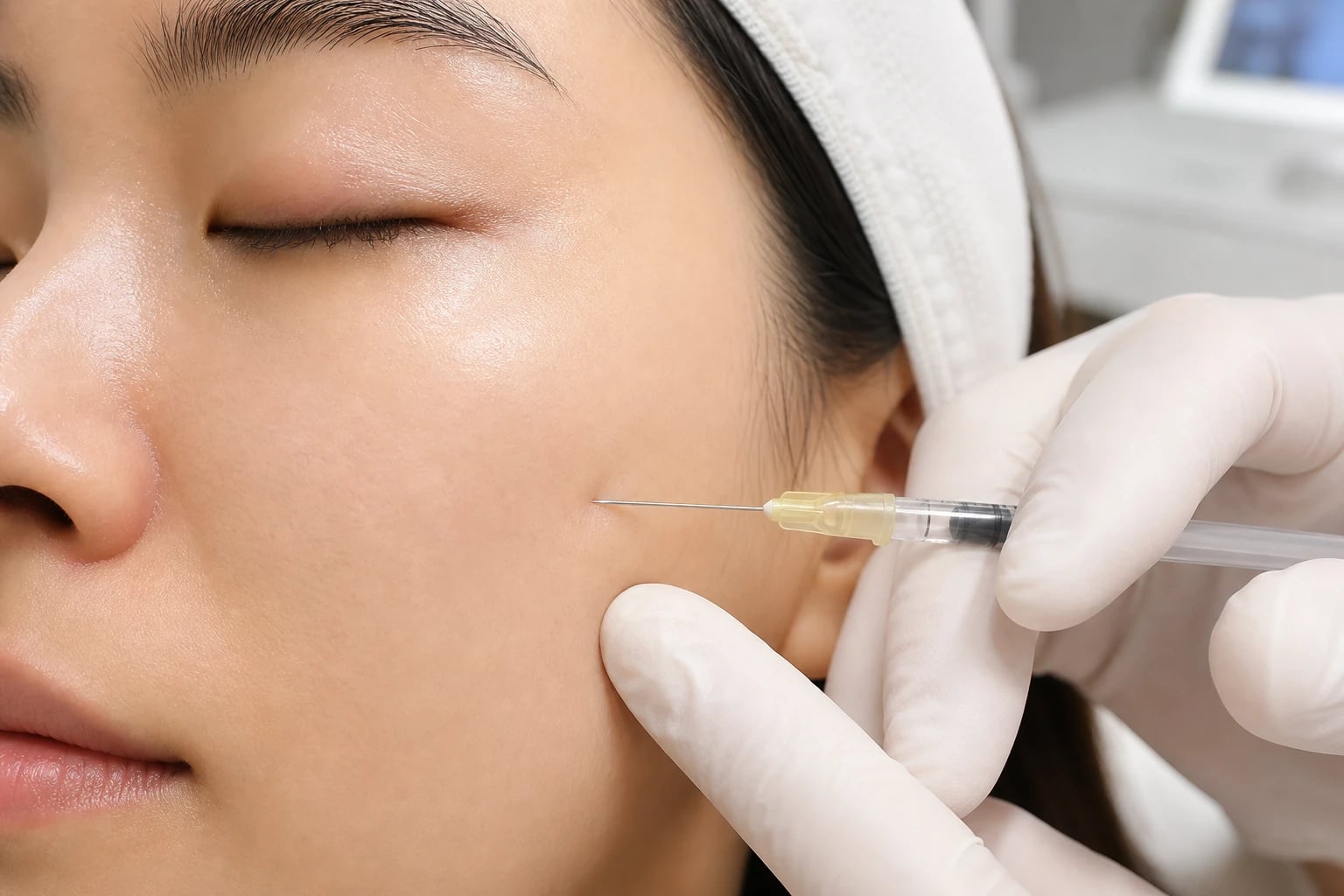
After numbing, a fine needle or cannula passes beneath the scar to cut the fibrous tether, letting the surface lift and heal with new collagen. The only treatment that addresses the actual mechanism of a rolling scar. Expect bruising and swelling for several days.
Learn More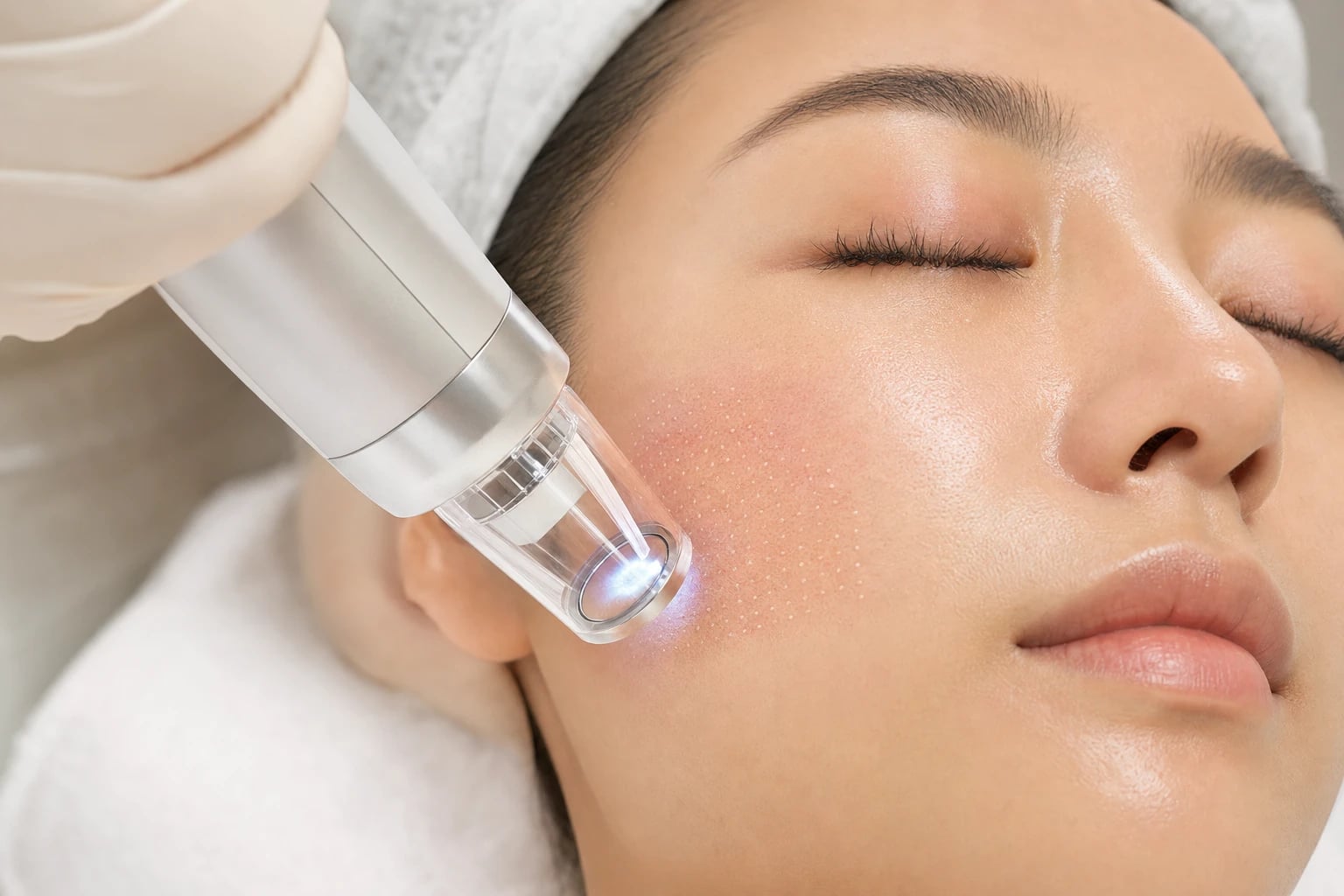
Resurfaces in controlled columns: microscopic channels are removed and the intact skin between them heals the gaps with fresh collagen. Downtime is real — 3–7 days of redness and flaking — and darker skin tones need conservative, doctor-judged settings.
Learn More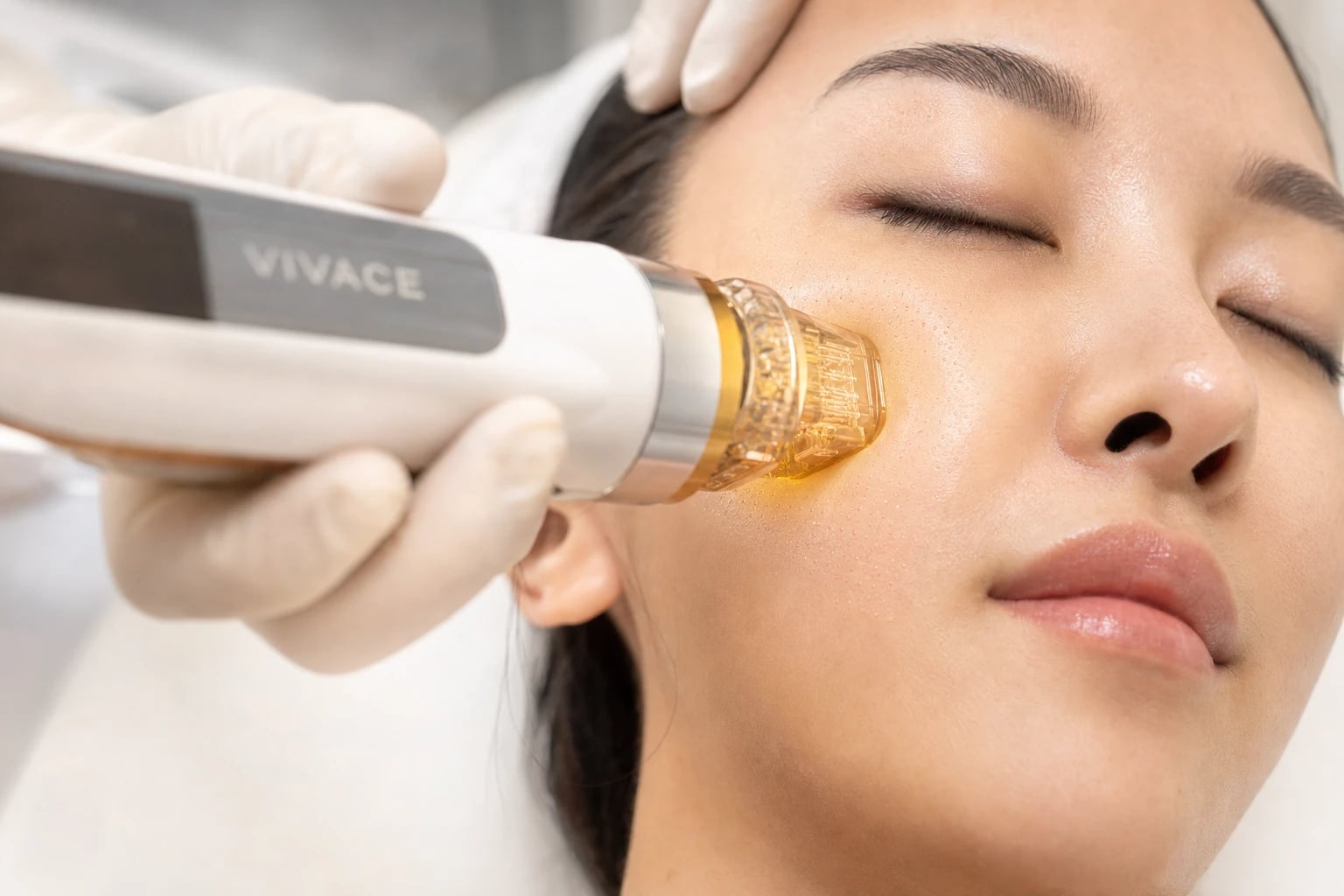
Delivers heat through insulated needles directly into the dermis, remodelling collagen where scars sit while sparing the surface — 1–3 days of downtime instead of a week, with a safer profile on Asian and darker skin tones than fully ablative resurfacing.
Learn More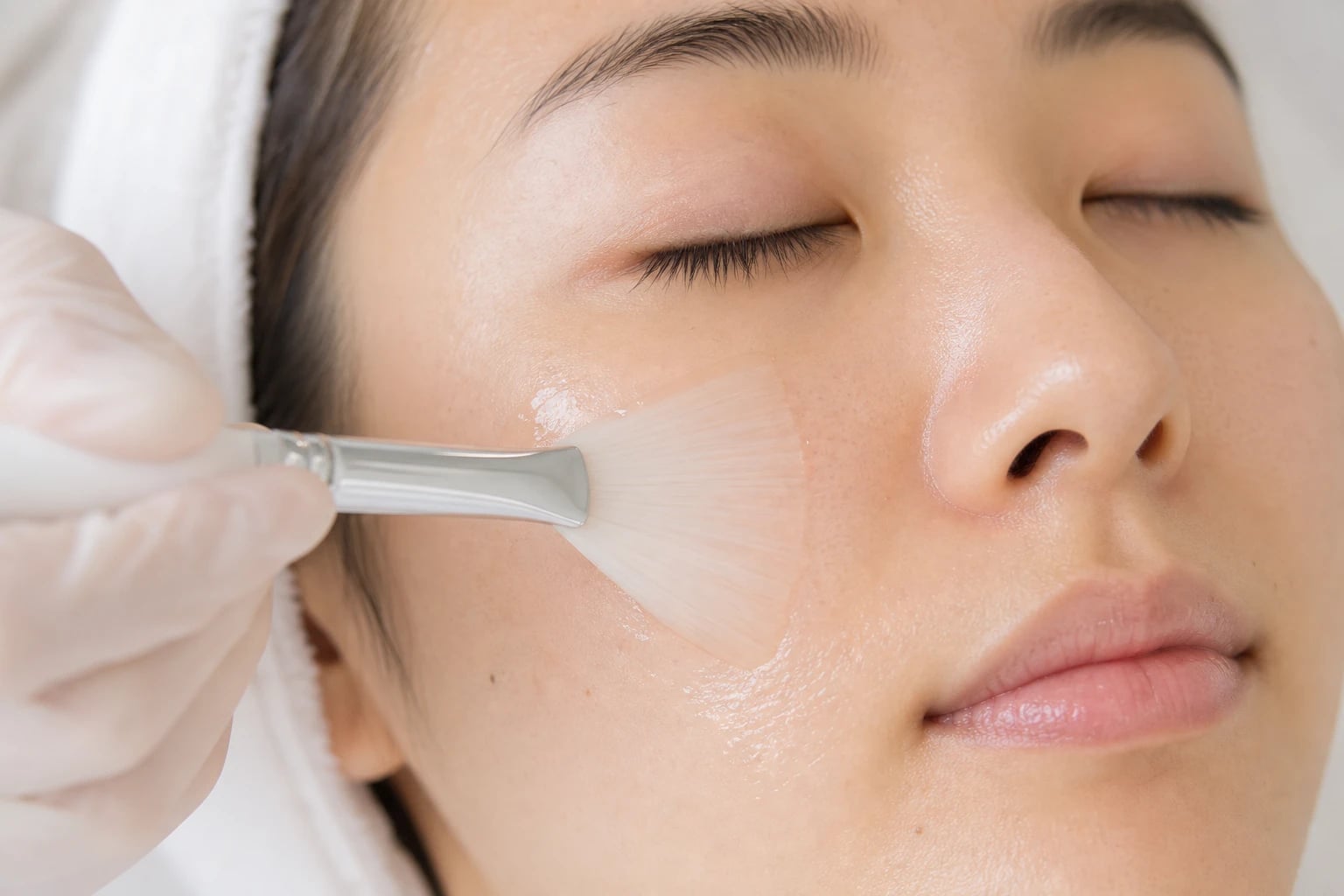
Medical-grade peels clear post-acne marks and keep tone even between energy sessions, with light flaking. For ice pick scars, high-strength TCA applied to the base of each pit (the CROSS technique) triggers collagen that pushes the pit upward.
Learn More
If the spot is flat and only the colour differs, it is post-inflammatory hyperpigmentation — pigment left by the breakout, not a true scar. It clears with pigment treatment (peels, pico laser, sun protection), not scar treatment, and has its own dedicated pathway.
Learn More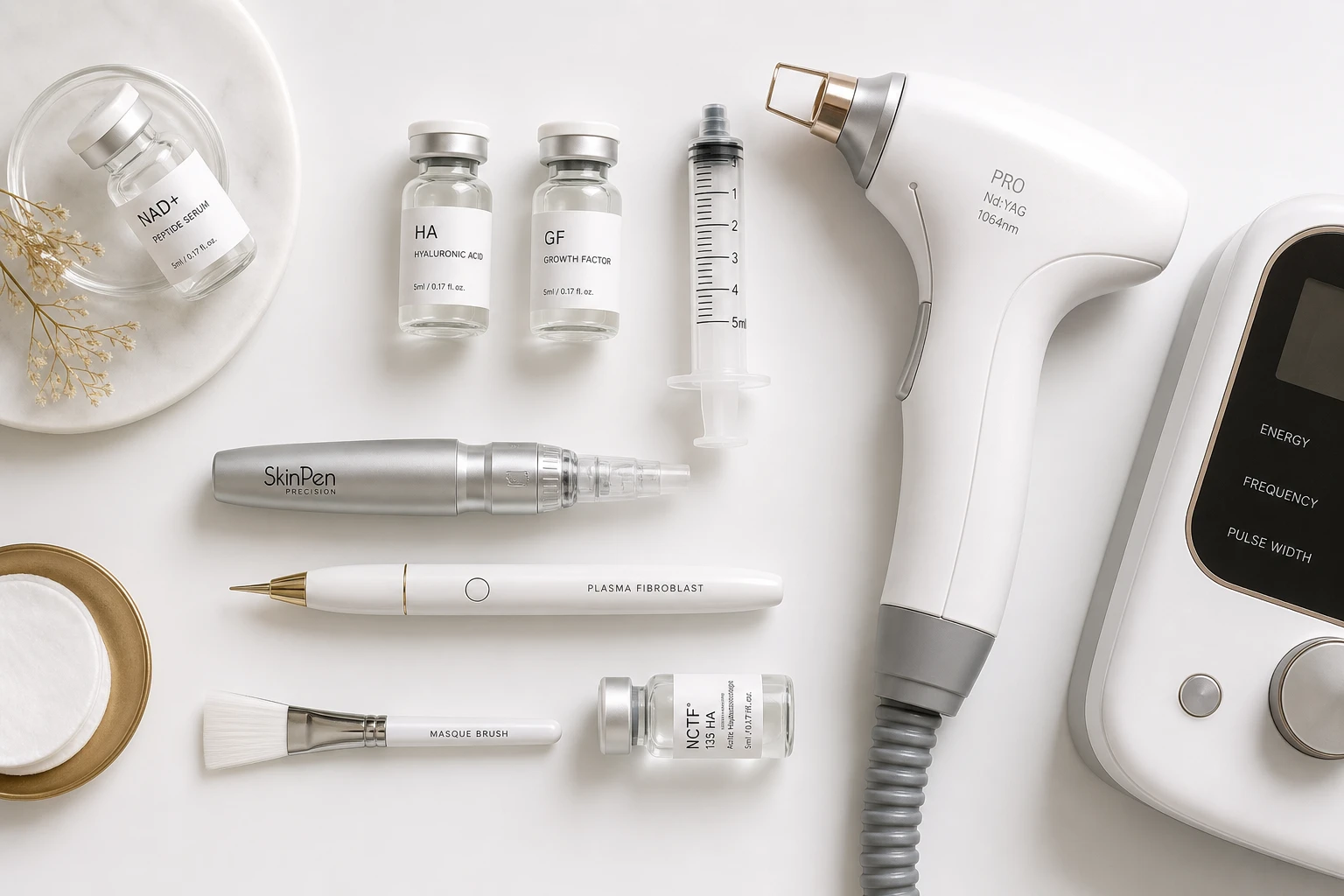
Most cheeks carry more than one scar type, so most real plans sequence tools — release first, resurface once healed, peels in between. Your doctor maps your scar mix and tells you plainly which tools your skin needs, and which it does not.
Discuss Suitability— Compare Options
| Treatment | Best for | Downtime | Typical sessions | Improvement timeline |
|---|---|---|---|---|
| CO₂ Laser | Texture, atrophic scars, resurfacing | 3–7 days | 2–4 | Gradual over weeks to months |
| Subcision | Rolling, tethered scars | Bruising/swelling | 1–3 | Improves as swelling settles and collagen remodels |
| RF Microneedling | Mixed scars, collagen support | 1–3 days | 3–6 | Gradual collagen remodelling |
| Chemical Peel | Marks, tone, acne support | Light flaking | 4–6 | Progressive clarity and tone improvement |
Best for: Texture, atrophic scars, resurfacing
Downtime: 3–7 days
Sessions: 2–4
Timeline: Gradual over weeks to months
Best for: Rolling, tethered scars
Downtime: Bruising/swelling
Sessions: 1–3
Timeline: Improves as swelling settles and collagen remodels
Best for: Mixed scars, collagen support
Downtime: 1–3 days
Sessions: 3–6
Timeline: Gradual collagen remodelling
Best for: Marks, tone, acne support
Downtime: Light flaking
Sessions: 4–6
Timeline: Progressive clarity and tone improvement
Your actual treatment plan depends on your scar type, skin condition, and doctor's assessment.
— How a plan is built
Most cheeks carry rolling, boxcar and ice pick scars together, often with flat post-acne marks. A doctor-led plan is therefore built in phases — each phase using the tool designed for the scar type it targets — rather than repeating one device and hoping.
Phase 1 · Tethered & rolling scars
Subcision frees the fibrous bands pulling rolling scars down while the skin surface is still untreated.
Phase 2 · Boxcar scars & texture
Fractional CO₂ laser or RF microneedling remodels collagen across the treated area once subcision has healed.
Phase 3 · Ice pick scars & marks
TCA CROSS is placed into individual ice pick pits; medical peels or pico laser clear the red and brown marks between energy sessions.
Phase 4 · Protecting the result
Active acne is controlled throughout, sun protection is non-negotiable, and a review decides whether a further cycle is worthwhile.
Which phases you need — and how many sessions in each — is decided at your scar assessment. Many patients need only one or two phases.
— Your Journey
We review your skin concerns, acne history, previous treatments, and goals.
Your doctor identifies scar types such as rolling, boxcar, ice pick, post-acne marks, and uneven texture.
You'll receive a recommended plan based on suitability, downtime, and expected treatment sequence.
Your progress is reviewed over time, with aftercare guidance and adjustments where needed.
We review your skin concerns, acne history, previous treatments, and goals.
Your doctor identifies scar types such as rolling, boxcar, ice pick, post-acne marks, and uneven texture.
You'll receive a recommended plan based on suitability, downtime, and expected treatment sequence.
Your progress is reviewed over time, with aftercare guidance and adjustments where needed.
— Cost factors
Acne scar treatment is priced as a plan, not a single procedure, which is why clinics quoting a flat per-session figure before seeing your skin are quoting for a machine rather than for your scars. Your quote at DrPlus is written after your doctor has mapped every scar type you carry and decided which phases your plan actually needs.
When you compare Singapore clinics, compare the plan, not the headline number: how many scar types it addresses, whether subcision is included for tethered scars, how many sessions are realistic, and whether the review visit is part of the fee. A low per-session price with an open-ended session count usually costs more than a planned course. Aesthetic scar treatment is not MediSave-claimable.
— Why DrPlus
Your doctor assesses scar type, scar depth, active acne, skin tone, and downtime preference before recommending treatment.
Acne scars often need more than one approach. We plan around your skin rather than forcing every patient into one device.
The goal is smoother, healthier-looking skin over time — with realistic expectations and proper aftercare.
A calm, discreet clinical experience from consultation to follow-up.
— Your treating doctor

Dr Kenneth Lee
Aesthetic Physician
DrPlus Aesthetics Clinic
Dr Kenneth Lee completed his medical degree at Cardiff University, UK, under a Public Service Department scholarship, and trained across London hospitals in general medicine, surgery, paediatrics, and emergency medicine before returning to Asia to specialise in aesthetic and regenerative medicine.
He holds LCP certification for Aesthetic Practices in Malaysia and continues to train with the Aesthetic Dermatology Educational Group in Singapore and the American Academy of Aesthetic Medicine. His focused interest in collagen science and skin regeneration led Channel NewsAsia to feature him as “The Collagen Doc®”.
When you consult at DrPlus, that background is what guides your assessment — not a treatment menu.
Dr Kenneth Lee · Qualifications
12+
Years Experience
8k+
Treatments
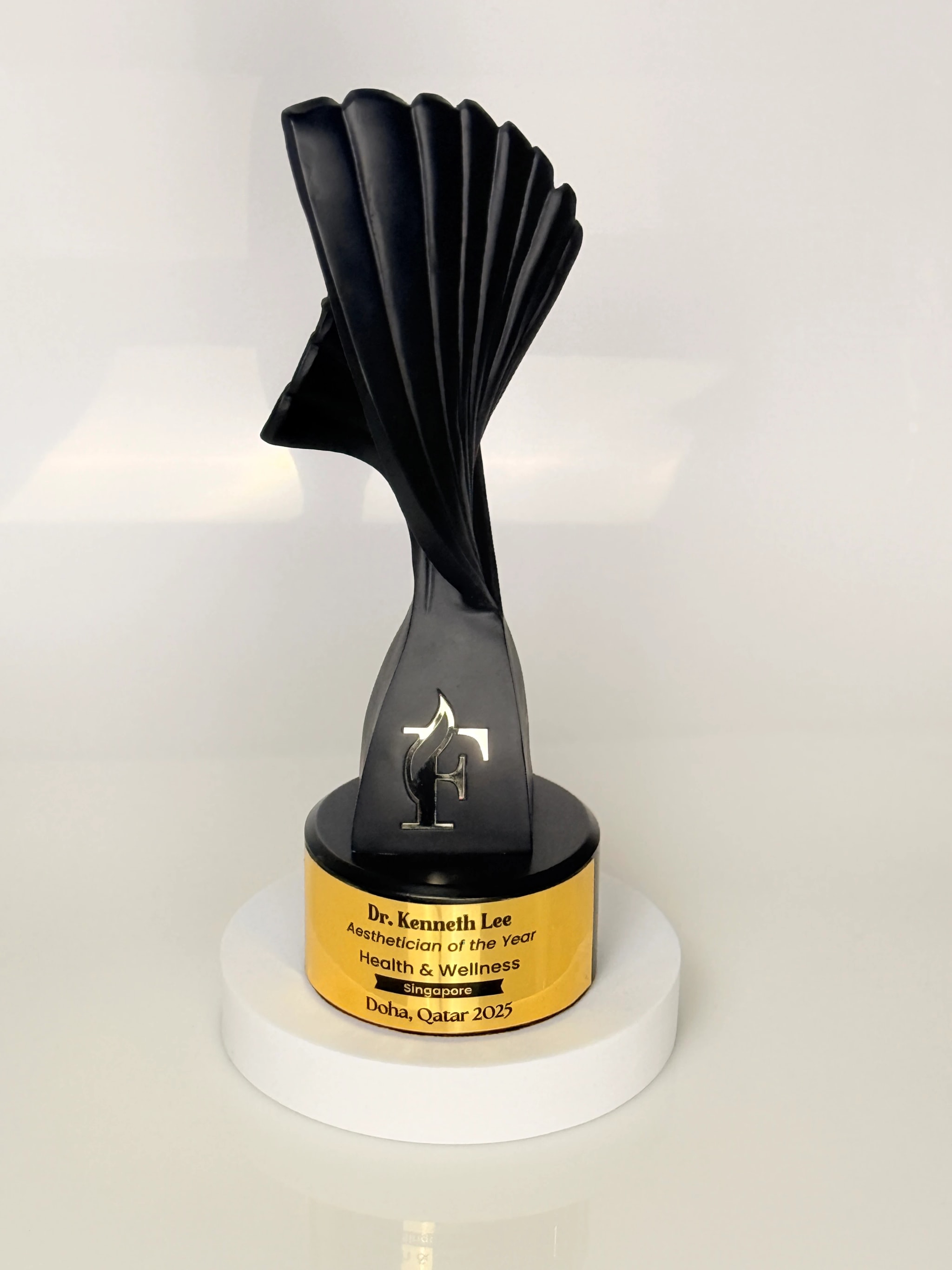
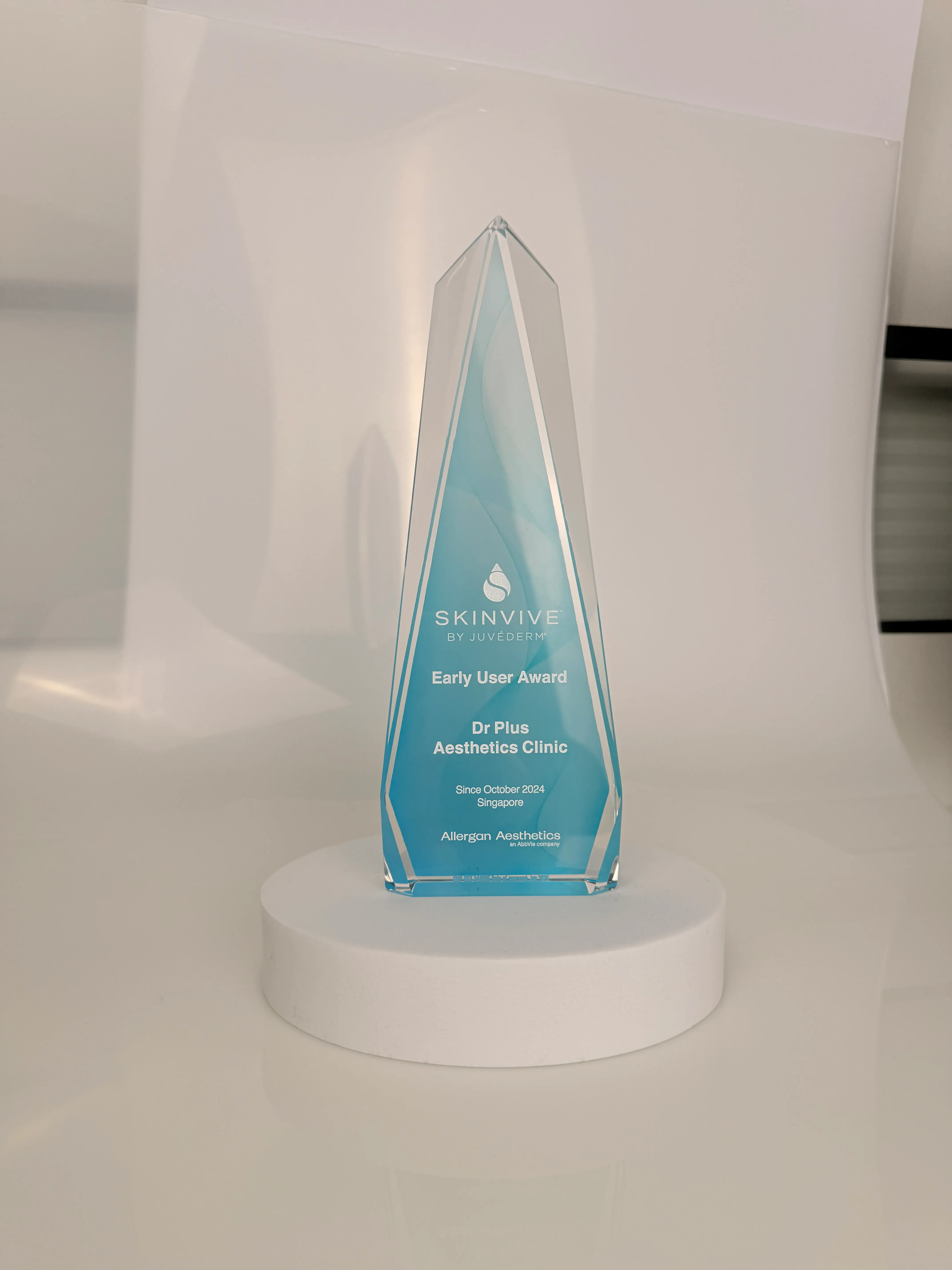
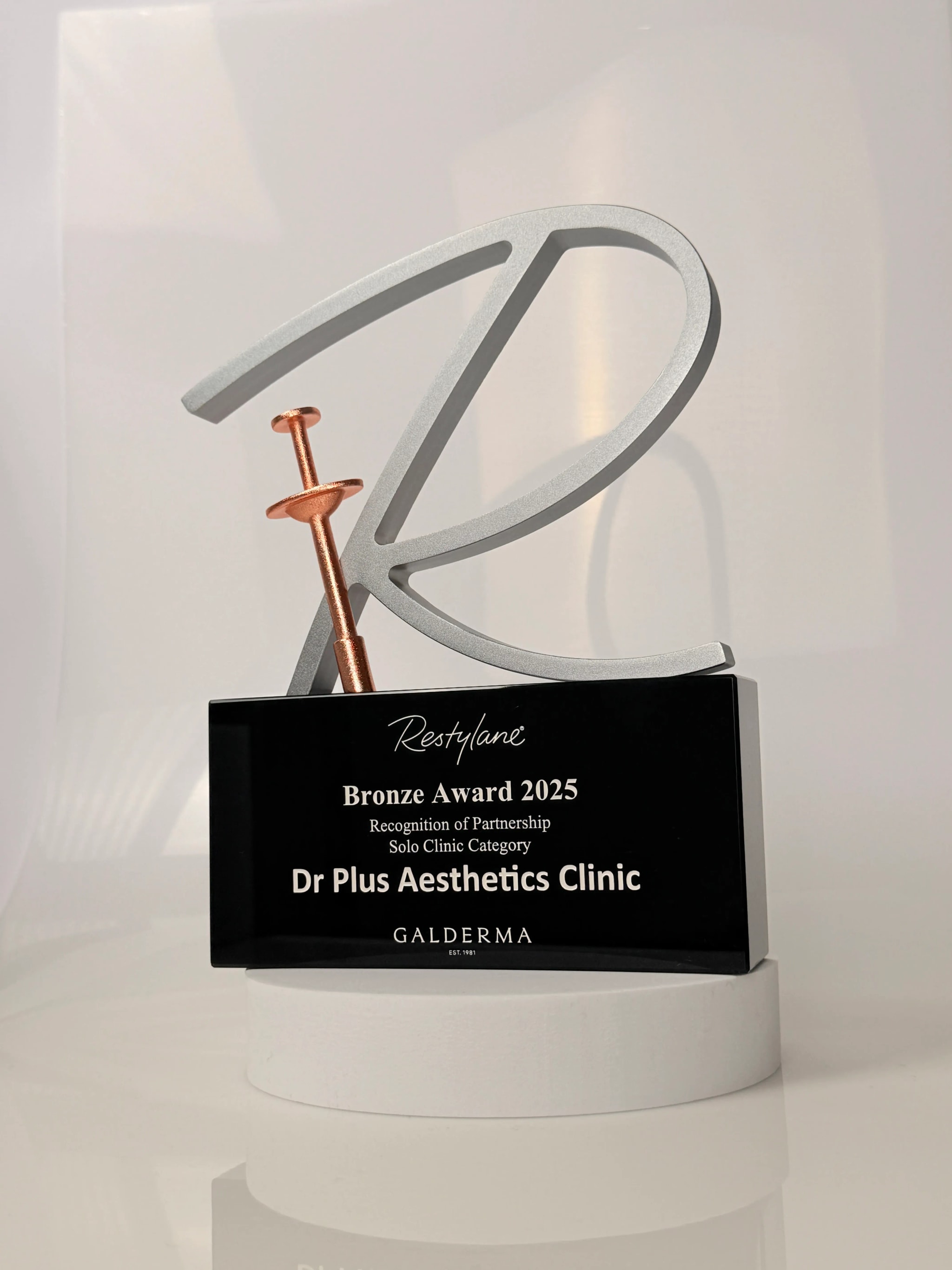
Recognised across aesthetics and wellness care
DrPlus and Dr Kenneth Lee have received regional and international recognition across aesthetic medicine, collagen treatment, and clinic partnership categories.
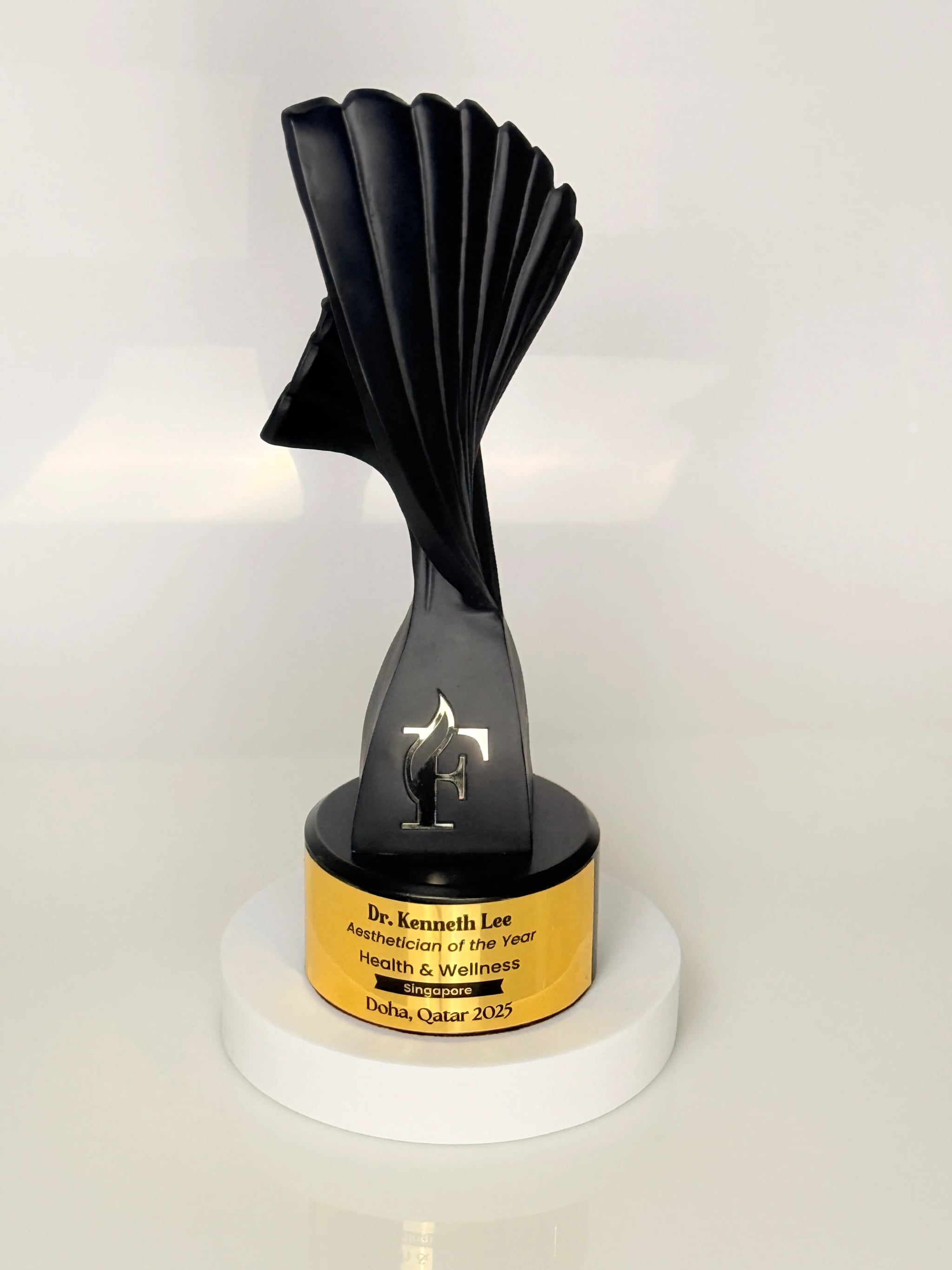
Aesthetician of the Year
Health & Wellness Awards, 2025
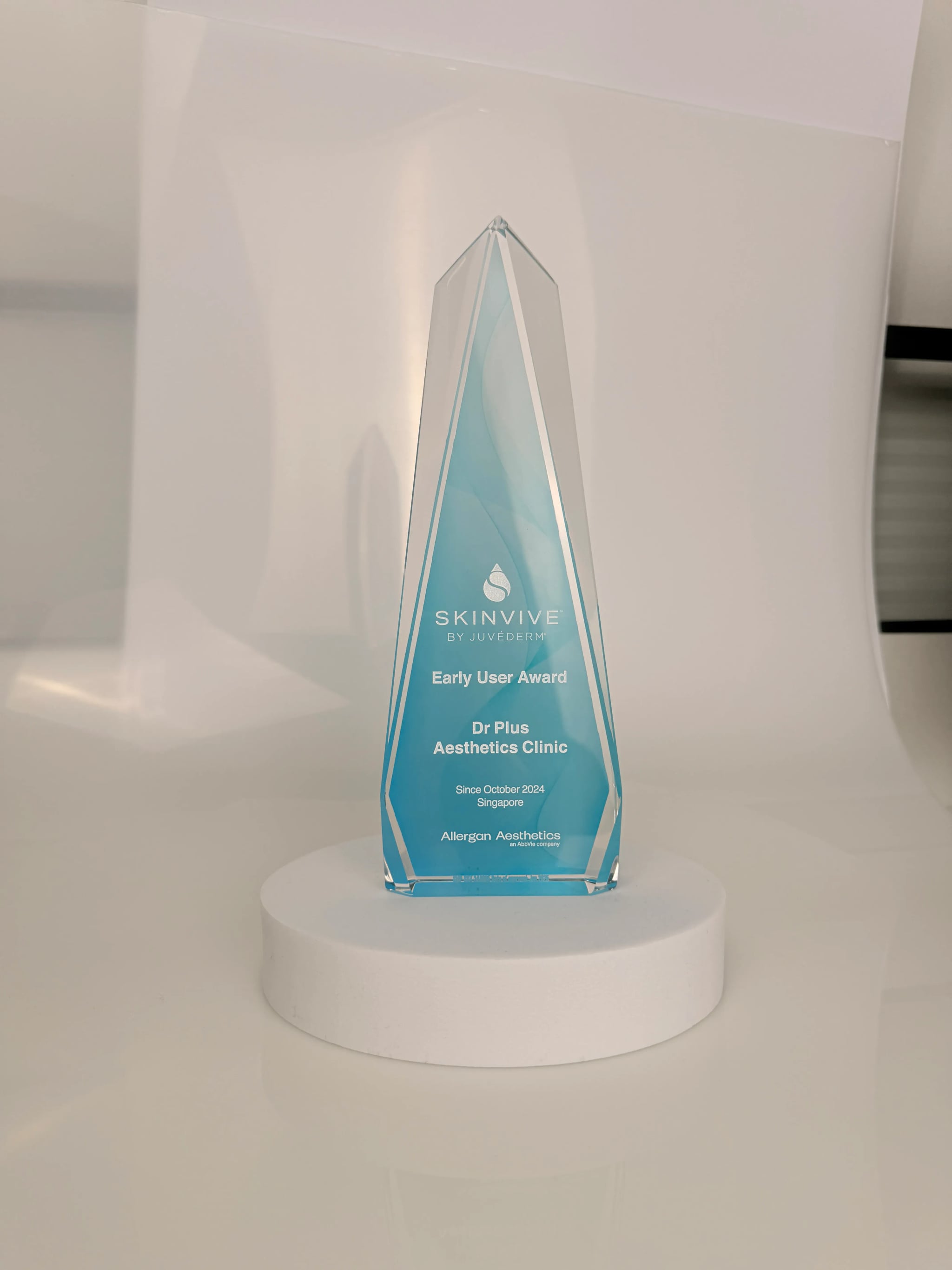
Skinvive Early User Award
Juvéderm / Allergan Aesthetics

Collagen Treatment of the Year
Asia-Pacific
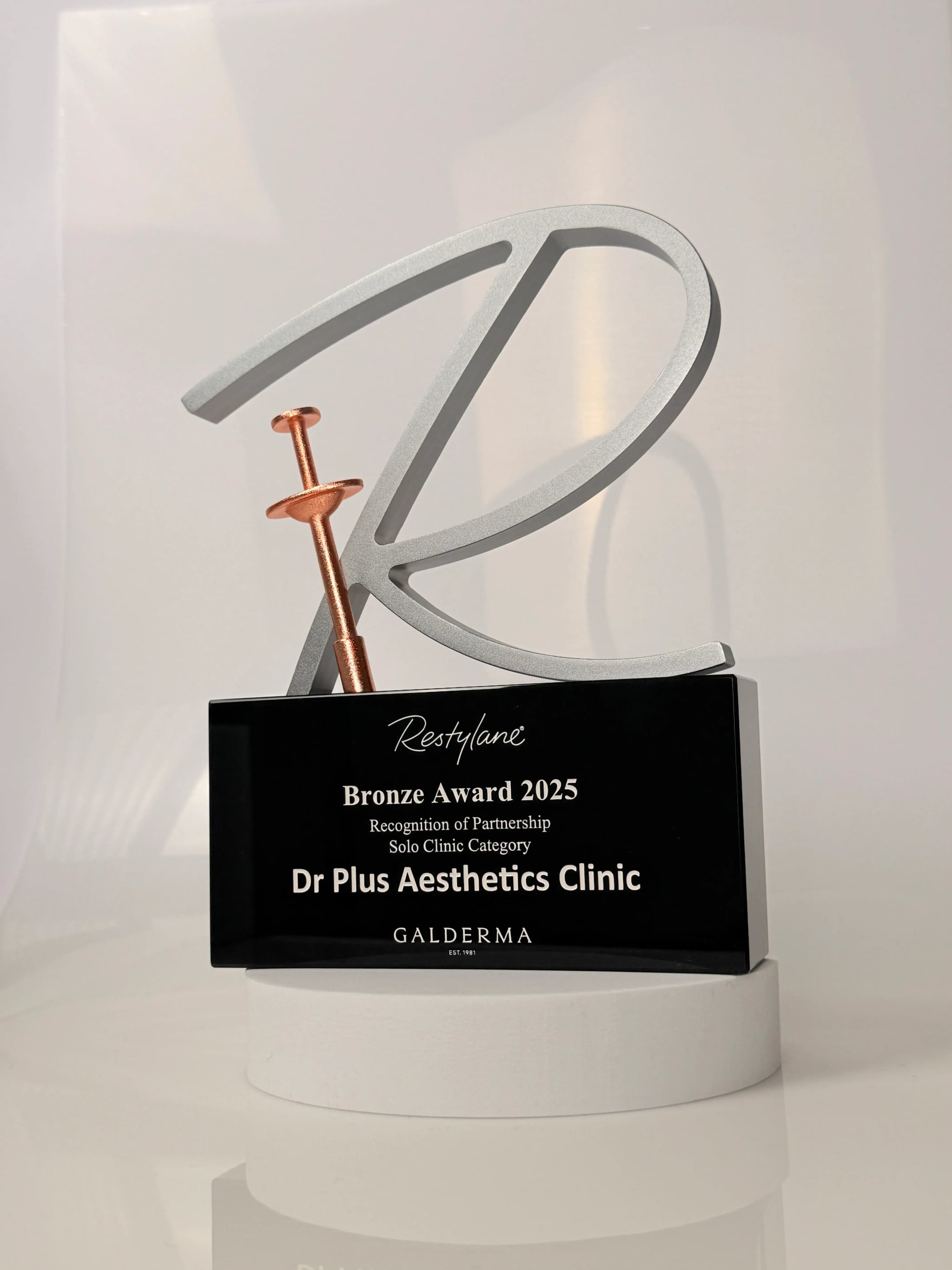
Restylane Bronze Award
Galderma, 2025
— Our Singapore clinics
Consultations and treatments are available at all three clinics — choose whichever is more convenient: the Tanjong Pagar CBD, Katong on the East Coast, or the Novena medical district.
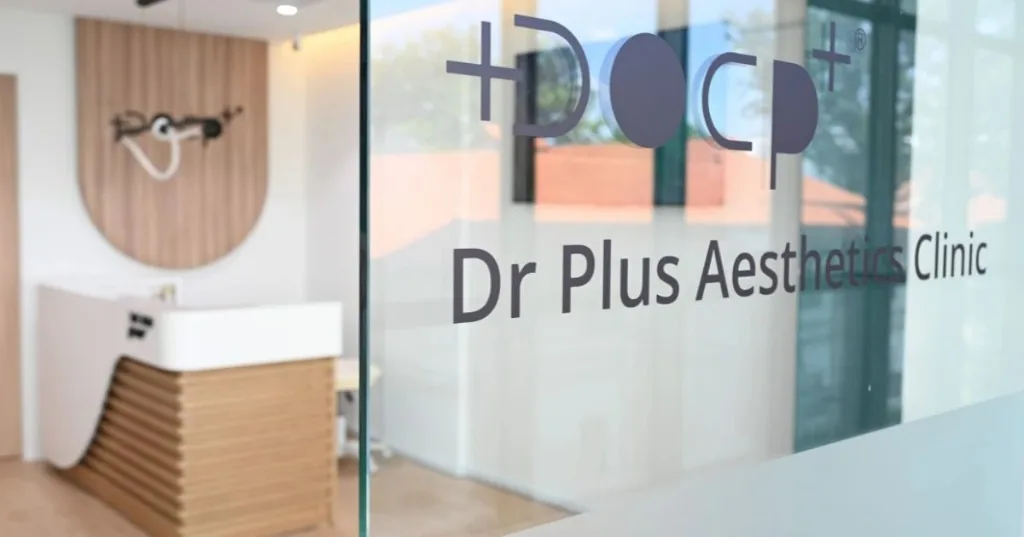
Tanjong Pagar / CBD
Dr Plus Aesthetics Clinic Singapore (Tanjong Pagar)
160 Robinson Road #03-10
Singapore 068914
About a three-minute walk from Tanjong Pagar MRT (East–West Line); the building has a carpark.
East Coast / Katong
Dr Plus Aesthetics Clinic (East Coast)
66 East Coast Road #03-05
Singapore 428778
A short walk from Marine Parade MRT (Thomson–East Coast Line); The Flow Mall has a carpark.
Novena
Dr Plus Aesthetics Clinic (Novena)
10 Sinaran Drive #10-30
Singapore 307506
A short sheltered walk from Novena MRT (North–South Line); Novena Medical Centre has a carpark.
— FAQ
The most suitable treatment depends on your scar type. Rolling scars often respond to subcision, boxcar and atrophic scars to CO₂ laser or RF microneedling, and post-acne marks to chemical peels or pico laser. At DrPlus in Singapore, your doctor maps your scar types and recommends a personalised plan — many patients benefit from a combination approach rather than one device alone.
Acne scar removal aims to significantly improve the appearance of scarring rather than aim for complete erasure. Pimple scars — the marks or depressions left after breakouts — are treated the same way as acne scars. Depending on scar depth and type, treatments like CO₂ laser, subcision, or RF microneedling can substantially reduce visible scarring over a series of sessions.
DrPlus Aesthetic Clinic offers doctor-led scar treatment at three Singapore locations — SBF Center in Tanjong Pagar, The Flow Mall on East Coast Road, and Novena Medical Centre. Your doctor assesses your scar type before recommending a treatment plan. We welcome patients from across Singapore.
Flat brown or red marks are pigment, not scars — they fade with peels, pico laser and sun protection, usually faster than true scars respond. A doctor first confirms whether you have marks, scars, or (most commonly) both, because the treatments differ.
Yes — chicken pox scars are usually boxcar-type depressions and are assessed and treated with the same resurfacing and remodelling tools as acne scars. Your doctor confirms the scar pattern at assessment before recommending a plan.
It depends on your scar type, depth, skin tone, and whether you still have active acne. Some scars respond better to resurfacing, while tethered scars may need subcision or combination treatment.
Most acne scar treatments aim to improve and soften scars, not promise complete removal. Results vary depending on scar depth, skin type, treatment choice, and healing response.
CO₂ laser can help improve surface texture and certain atrophic scars, but it may not be suitable for every scar type or skin tone. A doctor’s assessment is needed.
They treat different problems. Subcision helps release tethered rolling scars, while laser improves surface texture. Some patients may benefit from both.
If you still have frequent inflamed acne, your doctor may recommend controlling active acne before starting scar-focused procedures.
Many patients need a series of treatments because collagen remodelling and scar improvement happen gradually.
Yes. Mixed acne scars often benefit from a combination plan such as subcision with laser or RF microneedling, depending on suitability.
Some treatments need extra caution in pigmentation-prone skin. Your doctor will assess your skin tone and recommend suitable settings or alternatives.
Yes. Acne scarring on the back, shoulders and chest is assessed the same way as facial scarring, though body skin heals differently and often needs adjusted settings, different modalities or more conservative pacing. Your doctor examines the affected areas at consultation and explains what improvement is realistic for body scars.
The treatments are the same, and a large share of acne scar patients are men. Thicker, oilier skin and daily shaving are factored into the plan and aftercare — for example timing sessions around shaving and sun exposure. No special preparation is needed beyond the standard doctor assessment.
Costs in Singapore vary widely because acne scar treatment is a plan, not a single procedure — the price depends on your scar types, which modalities are combined (subcision, CO₂ laser, RF microneedling, peels), and how many sessions your skin realistically needs. We do not publish prices; after your doctor has mapped your scars you receive a personalised, written quote with no obligation to proceed. WhatsApp us a photo of your scars and we can usually explain what your plan would involve within minutes.
Acne scar treatment is a multi-session journey, and patients tell us they choose us for the assessment quality — a doctor who maps every scar type and sequences subcision, laser and microneedling honestly, rather than selling a single machine. Sessions are typically spaced 4–8 weeks apart, and our Tanjong Pagar, East Coast and Novena clinics are easy to plan visits around. Send us photos on WhatsApp first and your doctor will tell you plainly what improvement is realistic before you plan anything.
They do different jobs. Fractional CO₂ laser resurfaces boxcar scars and uneven texture by remodelling collagen in controlled columns, with several days of downtime. Pico laser is a pigment tool — it clears the red and brown post-acne marks but does not rebuild a depressed scar. RF microneedling sits between them: collagen remodelling with 1–3 days of downtime and a more conservative profile on darker skin. Your doctor chooses the laser for the scar type in front of them, which is why one laser rarely covers a whole cheek.
It depends on the phases your plan needs. Subcision for tethered scars is usually 1–3 sessions; resurfacing with CO₂ laser or RF microneedling is typically 2–6 sessions spaced 4–8 weeks apart; TCA CROSS for ice pick scars is repeated until the pits lift. Collagen keeps remodelling for months after the final session, so the number is set at assessment and reviewed as you progress rather than sold upfront.
Both can treat acne scars. What matters more than the title is whether the doctor maps your scar types before recommending anything, has the procedural range to combine subcision, resurfacing and focal treatment, and explains realistic improvement honestly. If you still have inflamed, active acne, medical control of the acne comes first — a dermatologist or your doctor here can manage that before scar work begins.
Ask four questions. Does the doctor examine and classify your scars before quoting? Does the plan combine methods matched to each scar type rather than one machine for everything? Are sessions, review visits and downtime explained in writing? Is active acne addressed as part of the plan? A clinic that answers all four plainly — and tells you what improvement is realistic for your scar mix — is doing the assessment properly.
Usually a combination, decided by scar type. Subcision releases rolling scars that are tethered from below and is done first. CO₂ laser or RF microneedling then remodels boxcar scars and general texture once the surface has lifted. Ice pick scars are treated focally with TCA CROSS, and flat marks are pigment that peels or pico laser clear. Your doctor sequences only the tools your scars actually need.
Yes. Mature scars respond to the same scar-type logic — subcision for tethered scars, resurfacing for boxcars and texture, TCA CROSS for ice picks — because the collagen deficit does not resolve on its own. Older scars are sometimes firmer and may need an extra session, and any lingering marks will have usually faded, which leaves the depressed scars themselves as the only target. Your doctor assesses the scar mix regardless of age.

— Acne Scar Education
A doctor-led series written to help you understand your skin before any consultation in Singapore. Start with the foundations, then explore the individual scar types and treatment options. Each guide links back to the relevant treatment pages at DrPlus.
— Book Your Visit
Send us a photo or book a private consultation. Your doctor will assess your scar type and recommend a suitable treatment plan for your skin.
A QUICKER SCROLL
Clinic life, in short clips
Take a breather from the detail — swipe through Facebook and TikTok moments from DrPlus, then continue when you're ready to book.