














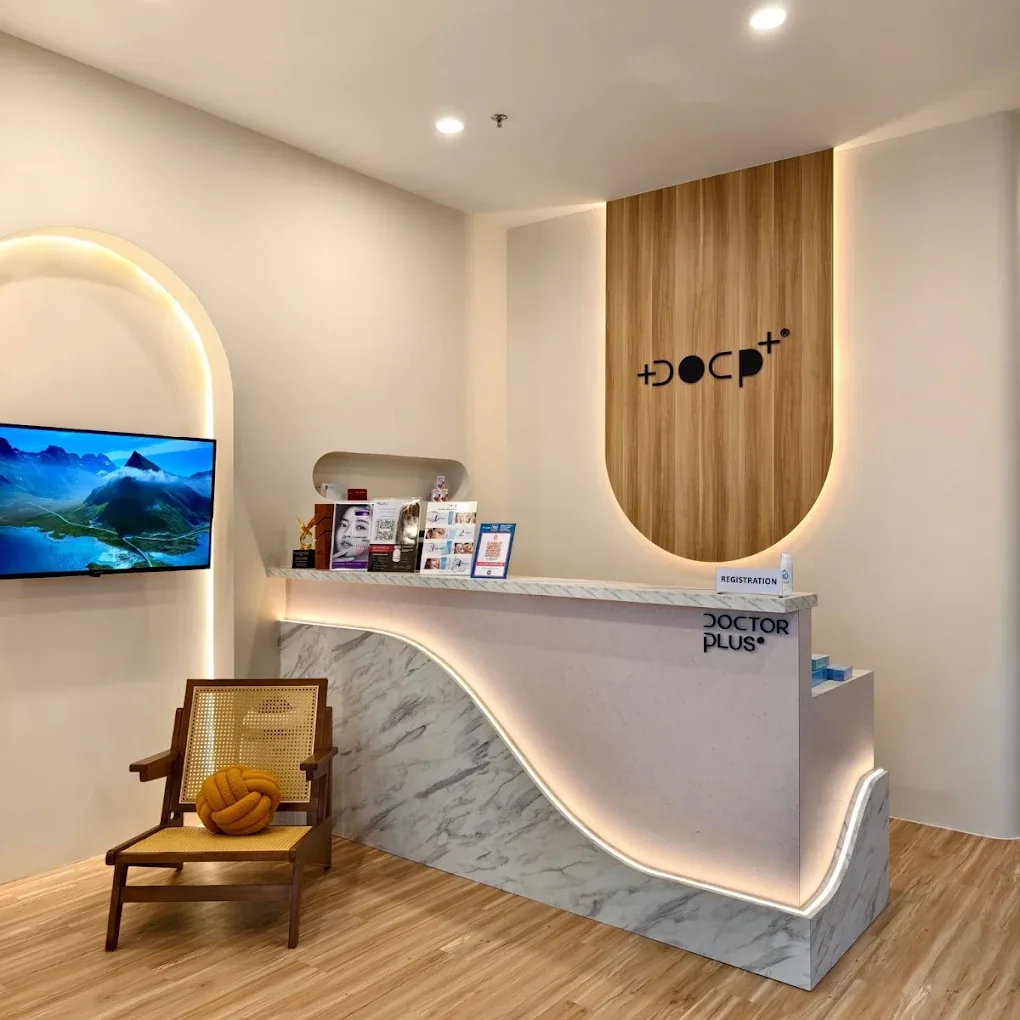
Tanjong Pagar / CBD
SBF Center
Dr Plus Aesthetics Clinic Singapore (Tanjong Pagar)
160 Robinson Road #03-10
Singapore 068914
About a three-minute walk from Tanjong Pagar MRT (East–West Line); the building has a carpark.
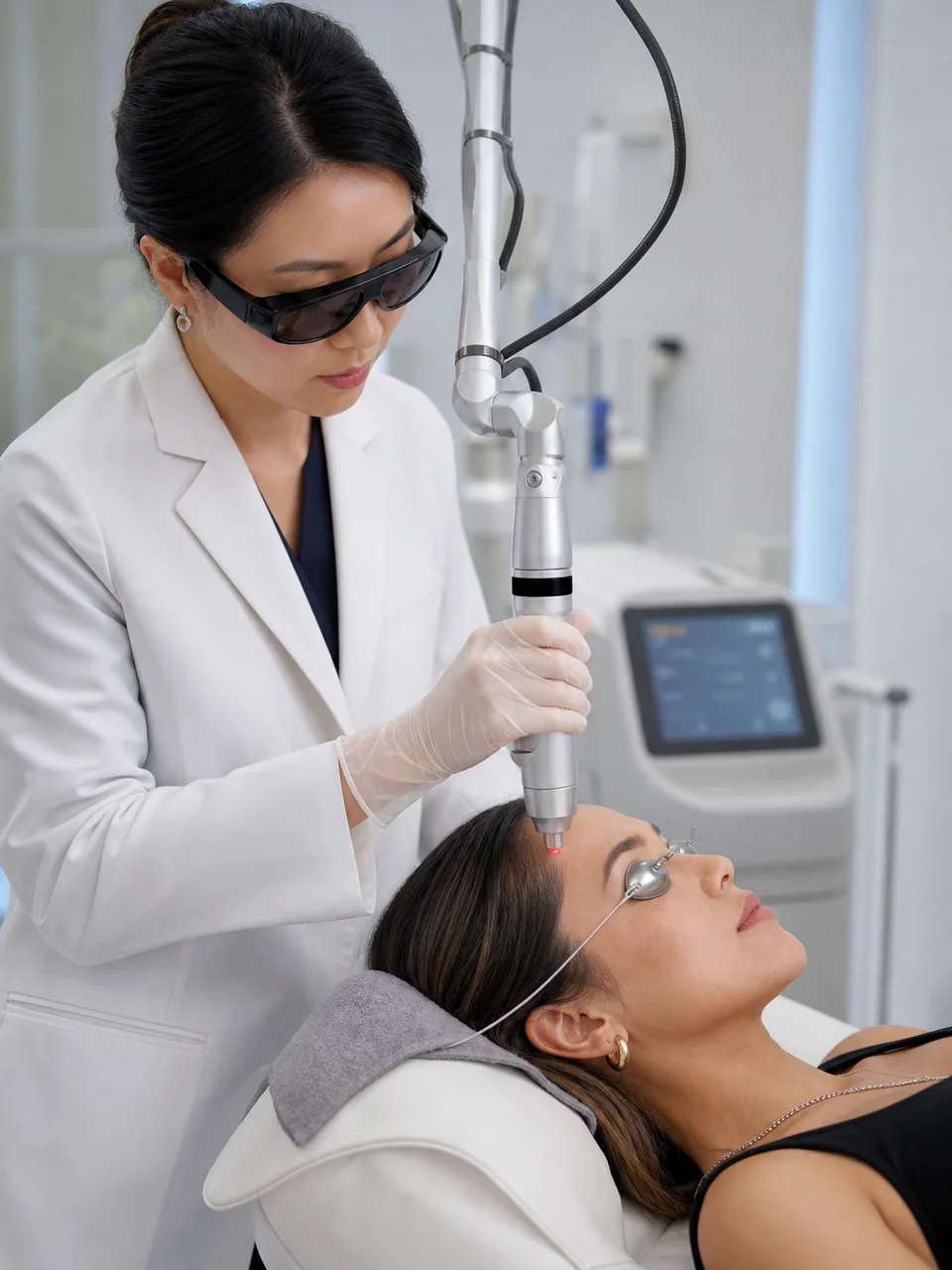
DrPlus Singapore · Laser
Long-term hair reduction with medical-grade laser in a doctor-supervised clinic — settings chosen for your skin tone and hair type, a realistic course plan, and honest expectations about maintenance. Underarms, face, legs, bikini and body, assessed at Tanjong Pagar, East Coast or Novena. Results vary by individual.
— Who this page is for
Laser hair removal is most suitable when the plan matches your skin tone, hair colour and the area treated. Your consultation confirms whether it suits you and what a realistic course looks like.
Ingrown hairs, razor bumps and the endless cycle — you want a longer-term answer for underarms, legs or the bikini area.
You have read that laser can mark darker skin and want it done in a medical setting where settings are chosen carefully.
Beard-line shaping, chest, back or shoulders — laser hair reduction for men follows the same assessment-led approach.
Salon IPL underdelivered and you want to understand what medical-grade laser in a doctor-supervised clinic does differently.
— What this involves
Laser hair removal targets the pigment in the hair follicle: the laser's energy is absorbed by melanin in the hair shaft and converted to heat, disabling the follicle's ability to regrow hair. Because only follicles in their active growth phase respond, a course of sessions spaced weeks apart is needed to catch each follicle at the right time.
The honest version of 'permanent': clinically, the outcome is long-term hair REDUCTION — most patients see a substantial, lasting decrease in hair density and thickness after a full course, with occasional maintenance sessions. Anyone promising every hair gone forever after three sessions is overselling.
Skin tone matters. Darker Asian skin carries more melanin in the skin itself, so device choice, wavelength, and settings must balance effectiveness against the risk of burns or pigmentation marks. That is the practical difference between a doctor-supervised clinic and a mall kiosk — the assessment before the laser ever touches your skin.
What determines the cost? The area treated (underarms take minutes; full legs take much longer), the number of sessions in your course, and your hair density. We do not publish prices — you receive a personalised, written plan and quote after your assessment. WhatsApp us with the areas you are considering and we will explain what your plan would involve.
— What to expect on the day
Your first visit starts with an assessment. If laser suits you and the skin is ready, treatment can usually begin the same day; otherwise you leave with a plan.
— What to expect
Most people return to work straight away. Some redness and small bumps around the follicles are expected and usually settle within hours to a day or two.
Avoid hot showers, saunas, strenuous exercise and swimming in chlorinated pools, as heat and sweat can irritate freshly treated skin.
Skip scrubs, perfumed products and deodorant on the treated area for a day if it stings. Use a gentle moisturiser.
Use sunscreen on exposed areas and avoid tanning between sessions; tanned skin raises the risk of pigmentation marks and may mean postponing a session.
Shave if you need to, but do not wax, pluck or use epilators — the follicle must stay in place for the next session to work.
Weeks 1–3
Treated hairs shed and can look like regrowth at first. This is normal.
After 3–4 sessions
Hair is often noticeably sparser and finer, and grows back more slowly.
End of the course
Most people see substantial long-term reduction. Occasional maintenance sessions may be needed, particularly where hormones influence growth.
Course length varies with area, hair colour and thickness, and hormones. Contact the clinic if you notice blistering, crusting or colour change in the skin.
— Hair and skin
Laser needs pigment in the hair to target, and contrast between hair and skin makes treatment easier and safer. That is why the assessment looks at both.
| Hair and skin | How laser tends to respond | What the doctor considers |
|---|---|---|
| Dark, coarse hair on fair to medium skin | Usually responds well | Standard course planning |
| Dark hair on darker or tanned skin | Can respond well with suitable settings | Wavelength and energy chosen to protect skin pigment; test patch may be advised |
| Fine or light brown hair | Responds less predictably | More sessions may be needed; expectations set honestly |
| Blonde, grey, white or red hair | Laser usually does not work well | Too little pigment to target; other options discussed |
| Hormone-driven hair growth | Can respond, but regrowth is more likely | Hormonal causes may need medical review alongside laser |
— Diode, Nd:YAG, alexandrite or IPL
Clinics in Singapore use several technologies for hair removal. Each uses light of a different wavelength, which changes how deeply it reaches and how strongly skin pigment absorbs it. The right choice depends on your skin and hair, and your doctor explains which device is used at your clinic and why.
| Technology | Wavelength | Points to know |
|---|---|---|
| Diode laser | About 800–810 nm | Widely used for many skin tones and body areas |
| Alexandrite laser | 755 nm | Strongly absorbed by melanin; generally better suited to fairer skin |
| Nd:YAG laser | 1064 nm | Reaches deeper and is less absorbed by skin pigment, so it is often considered for darker skin |
| IPL (intense pulsed light) | Broad spectrum, not a single wavelength | Not a laser; often used in salons; results can be less predictable |
— Risks & side effects
Laser hair removal is generally well tolerated when settings are matched to your skin. Side effects are usually mild and temporary, and your doctor explains the risks before you decide.
— Choosing a clinic
These questions are reasonable to ask at any clinic, including ours.
— Compared with alternatives
Each hair removal method suits a different need. The table shows how laser compares with the main alternatives.
| Method | How long it lasts | Points to know |
|---|---|---|
| Medical laser | Long-term reduction after a course | Needs pigmented hair; maintenance sessions may be needed |
| IPL | Reduction, often less predictable | Broad-spectrum light; widely offered in salons |
| Electrolysis | Can be permanent hair by hair | Works on any hair colour; slow and suited to small areas |
| Waxing and sugaring | Weeks | Can cause ingrown hairs and irritation; repeated indefinitely |
| Shaving | Days | Quick and cheap; razor bumps and darkening with frequent use |
| Hair removal creams | Days | Can irritate sensitive skin; patch test first |
— Why DrPlus
A medical setting changes what is possible — properly calibrated settings with safety planning to match.
Assessment, device settings and any skin reactions are managed under medical supervision.
Energy levels are chosen for your skin and hair, balancing results against pigmentation risk.
You will hear realistic expectations — substantial long-term reduction with maintenance — not a forever promise.
Tanjong Pagar, East Coast and Novena, with private treatment rooms and the same doctor-led standard at each.
Ready to discuss your skin?
Book a doctor-led assessment tailored to your concerns.
— Related treatments
Smooth, even skin often involves more than hair removal. Each option is assessed individually at consultation.
Sessions, aftercare, skin-type suitability and how underarm laser compares with shaving and waxing.
Learn MoreOften paired with underarm hair removal — addressing the shadowing that shaving leaves behind.
Learn MoreFor pigmentation from old ingrown hairs or friction — pigment-clearing laser is the tool.
Learn MoreMedical-grade facials for congestion and texture — the maintenance side of smooth skin.
Learn MoreWhy shaving, friction and hormones darken underarm skin, and which treatments help.
Learn MoreHow peels work on underarm pigmentation, often considered after a hair removal course.
Learn MoreA plain-English comparison of laser and IPL for skin pigmentation, and which suits which skin.
Learn More— Our Singapore clinics
Consultations and treatments are available at all three clinics — choose whichever is more convenient: the Tanjong Pagar CBD, Katong on the East Coast, or the Novena medical district.
Tanjong Pagar / CBD
Dr Plus Aesthetics Clinic Singapore (Tanjong Pagar)
160 Robinson Road #03-10
Singapore 068914
About a three-minute walk from Tanjong Pagar MRT (East–West Line); the building has a carpark.
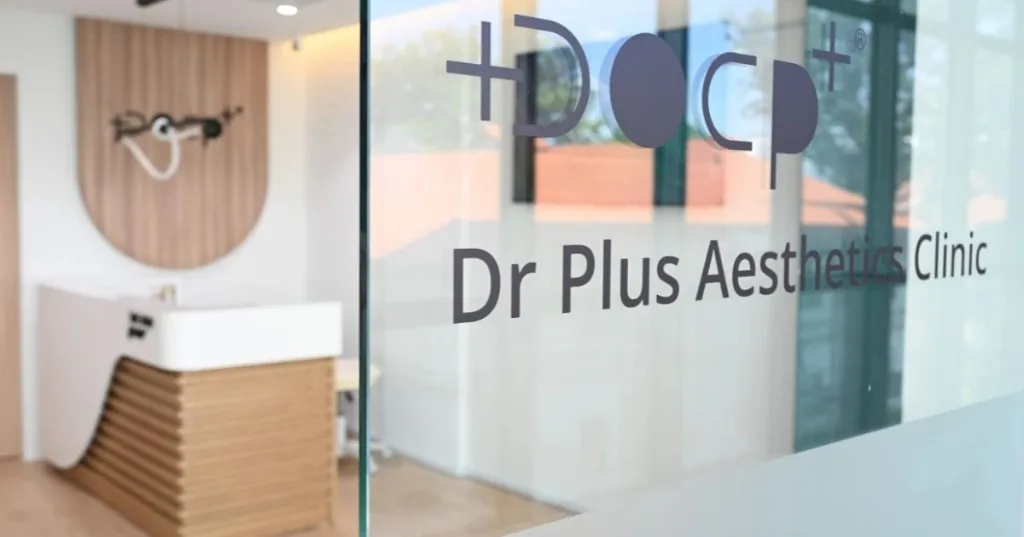
East Coast / Katong
Dr Plus Aesthetics Clinic (East Coast)
66 East Coast Road #03-05
Singapore 428778
A short walk from Marine Parade MRT (Thomson–East Coast Line); The Flow Mall has a carpark.
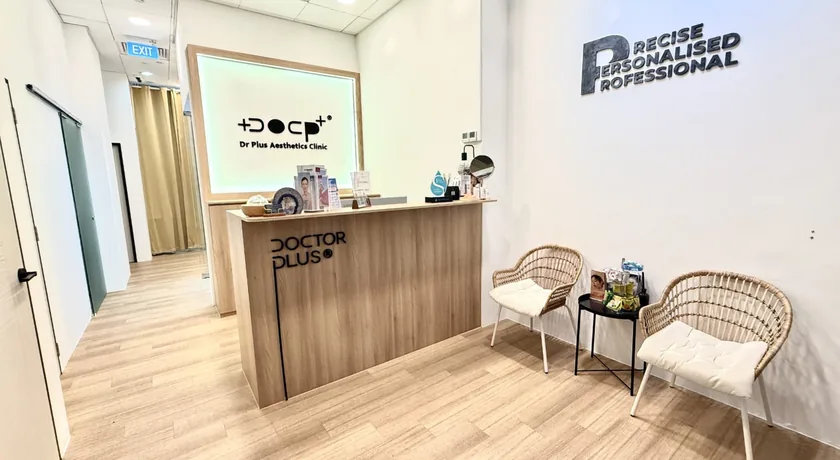
Novena
Dr Plus Aesthetics Clinic (Novena)
10 Sinaran Drive #10-30
Singapore 307506
A short sheltered walk from Novena MRT (North–South Line); Novena Medical Centre has a carpark.
— FAQ
The clinically honest term is long-term hair reduction. After a full course, most patients see a substantial and lasting decrease in hair density — many areas stay effectively smooth with only occasional maintenance sessions. Hormonal factors can drive some regrowth over time, which is why we frame it as reduction rather than promising every hair gone forever.
Most areas need a course of several sessions spaced 4–8 weeks apart, because the laser only disables follicles in their active growth phase. Hair colour, thickness, the area treated, and hormonal factors all affect the count. Your doctor will give you a realistic course estimate at your assessment.
We do not publish prices because plans differ by area and session count. Underarms and full legs are very different undertakings. You receive a personalised, written quote after your assessment — WhatsApp us the areas you are considering and we will explain what your plan would involve.
With the right device settings, yes — but this is exactly where medical supervision matters. Darker skin absorbs more laser energy, so wavelength and energy must be calibrated to avoid burns or pigmentation marks. Freshly tanned skin usually means postponing a session. Your skin tone is assessed before any treatment.
Most people describe it as a series of quick rubber-band snaps with warmth. Sensitive areas feel sharper; cooling and, where appropriate, numbing cream keep it manageable. Sessions are quick — underarms take only minutes.
Underarms typically respond well within a standard course — commonly around six to eight sessions spaced several weeks apart, with the exact count depending on your hair density and colour. Each visit takes only minutes. Many patients also notice fewer ingrown hairs and less shaving-related darkening as the course progresses; if residual darkening bothers you, it can be assessed alongside our underarm whitening pathway.
Yes, both are common. Treated hairs push out and shed over one to three weeks, which can look like regrowth at first. Small red bumps or acne-like spots around follicles usually settle within a few days. Keep the area clean, avoid heat and heavy sweating for a day or two, and contact the clinic if you notice blistering, crusting or spreading redness.
Yes — beard line, chest, back, and shoulders are all routinely treated. The consultation and treatment are handled with the same professionalism and discretion as every other service at the clinic.
We see patients at SBF Center, 160 Robinson Road #03-10, in the Tanjong Pagar CBD (call +65 8851 9547), The Flow Mall, 66 East Coast Road #03-05, in Katong on the East Coast (call +65 8857 4917), and Novena Medical Centre, 10 Sinaran Drive #10-30, in Novena (call +65 8851 9505). All three clinics offer the same doctor-led consultations, so you can choose whichever location is more convenient.
SBF Center on Robinson Road is about a three-minute walk from Tanjong Pagar MRT (East–West Line) in the CBD, The Flow Mall on East Coast Road in Katong is a short walk from Marine Parade MRT on the Thomson–East Coast Line, and Novena Medical Centre on Sinaran Drive is a short sheltered walk from Novena MRT on the North–South Line. If you drive, all three buildings have carparks, with further public parking nearby.
— Request a Consultation
Tell us the areas you are considering on WhatsApp and get a personalised plan and written quote after your skin assessment. No pressure, no packages pushed.
— Skin Education
Doctor-led guides written to help you understand your options before consultation. Each article links back to the relevant treatment pages.
Diode, alexandrite, Nd:YAG and IPL all target hair pigment, but they behave differently on different skin. A doctor explains the differences in plain English.
 Underarm Whitening
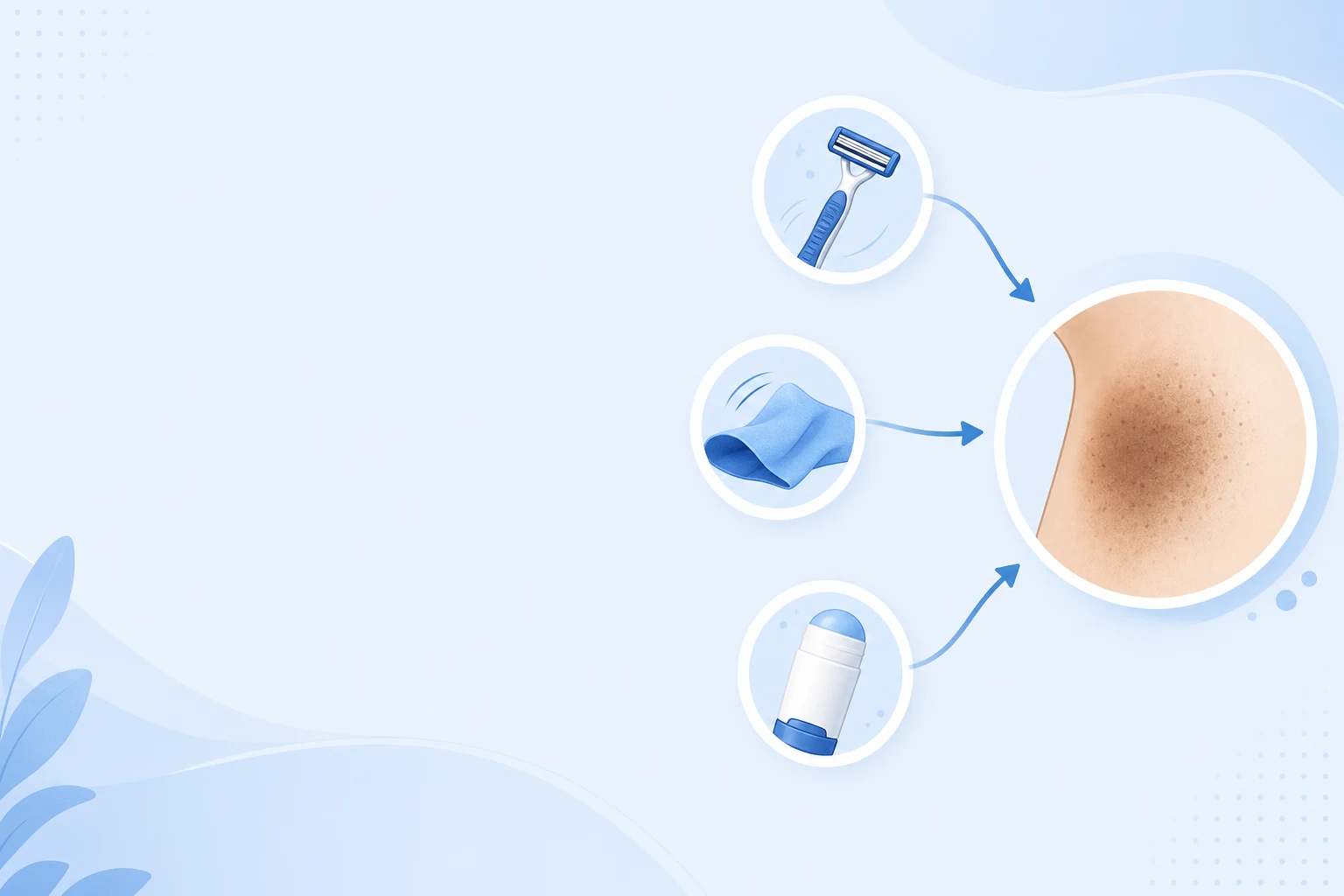
Dark underarms are usually a pigment response to irritation, not poor hygiene. Understanding the cause is the first step to lightening them.
Dark underarms are usually pigment produced by everyday friction, shaving and irritation — which is why controlled peels, not scrubbing, are the clinical answer.
IPL is broad-spectrum light; pico is an ultra-short-pulse laser. They overlap on 'pigmentation and glow' but behave very differently — especially in Asian skin. Here is the honest comparison.
— Methods compared
Every area follows the same model: doctor-assessed settings, a course of sessions and honest maintenance expectations. Underarms are the most requested area and have their own page covering sessions, aftercare and suitability.
Most requested
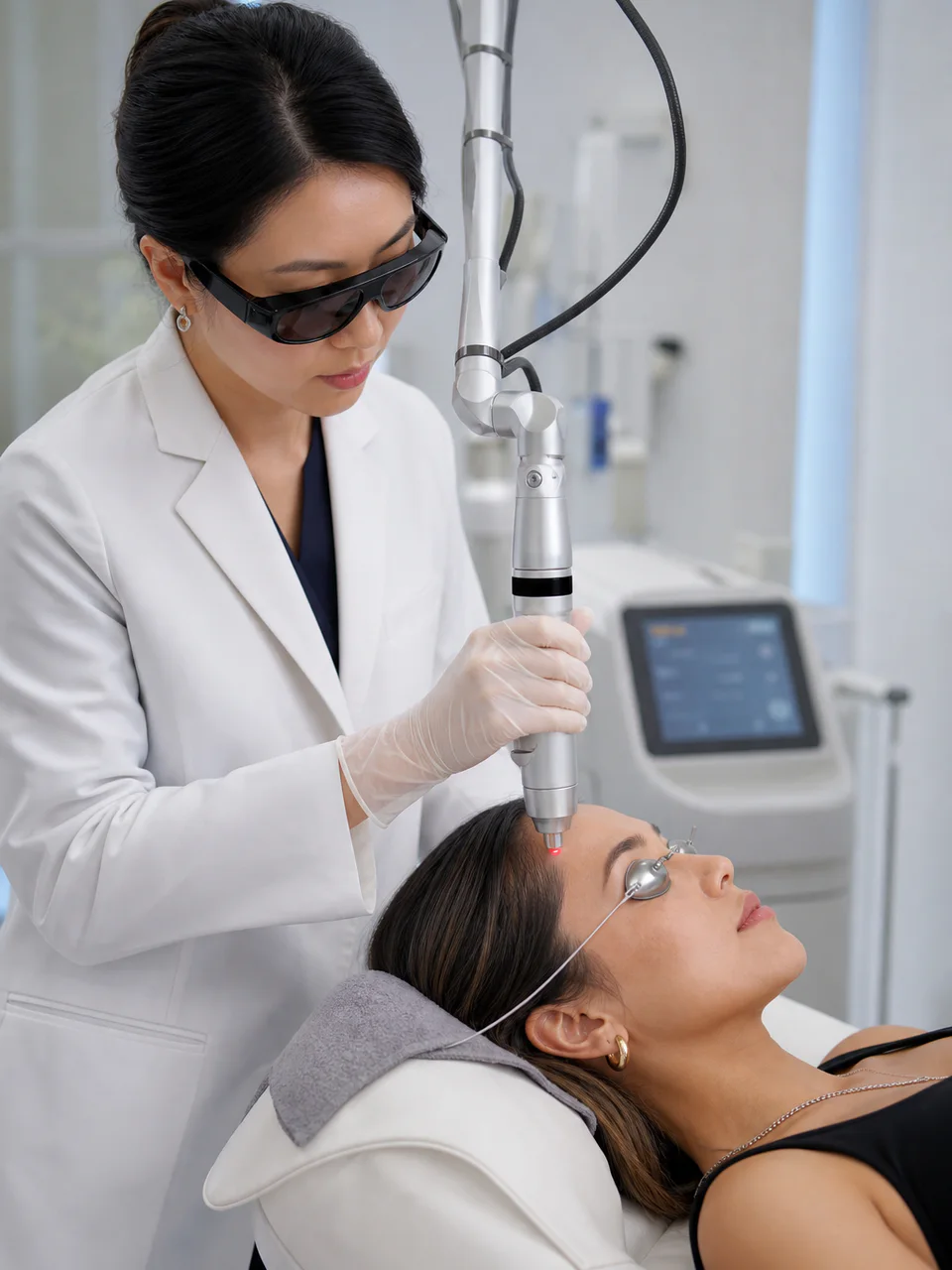
Short sessions, typically minutes per visit, and an end to the daily-shaving cycle. Many patients pair it with underarm brightening, since shaving friction is a main driver of underarm darkening.
Precision areas
Fine facial hair needs careful energy selection, especially on pigment-prone skin. The doctor assesses hair calibre and skin tone before setting a plan — facial areas are where medical supervision matters most.
Larger areas
Half or full legs, arms, chest and back take longer per session and usually anchor a course plan. Density and hair colour decide the realistic session count.
Discreet & routine
Bikini-line and Brazilian treatment, and men's beard line, chest, back and shoulders, are handled with privacy and professionalism throughout. Hair in these areas is often coarse and dark, which tends to respond well.
Whichever areas you are considering, the plan starts the same way: a doctor assesses your skin tone and hair type, then you receive a written course plan and quote — no obligation to proceed.
Medical disclaimer
Information on this page is for general education only and does not replace a consultation with a qualified medical practitioner. Suitability, downtime, risks, and results vary by individual. Please consult your doctor before deciding on any treatment. Read the full medical disclosure.
A QUICKER SCROLL
Clinic life, in short clips
Take a breather from the detail — swipe through Facebook and TikTok moments from DrPlus, then continue when you're ready to book.